Letting go of grudges is essential for healing and maintaining healthy relationships. Forgiveness helps you release anger and pain, clearing the way for trust to rebuild and emotional balance to return. It’s not about excusing bad behavior but about freeing yourself from resentment that harms you. Practicing forgiveness fosters genuine connection and resilience. If you want to learn how to effectively let go and strengthen your bonds, there’s more to discover.
Key Takeaways
- Forgiveness helps release resentment, fostering emotional healing and promoting healthier, more genuine connections.
- Letting go of grudges clears emotional burdens, creating space for trust and intimacy to rebuild.
- Practicing forgiveness involves honest communication, boundary-setting, and understanding, not excusing or dismissing hurt.
- Forgiveness enhances emotional well-being by reducing bitterness and enabling personal and relational growth.
- Embracing forgiveness strengthens relationships through vulnerability, shared effort, and renewed trust.

Have you ever wondered why forgiveness is so essential in maintaining healthy relationships? It’s because holding onto grudges can weigh heavily on your emotional well-being and hinder your ability to connect genuinely with others. Forgiveness allows for emotional release, freeing you from the pain and anger that keep you stuck in the past. When you choose to forgive, you’re not just saying that what happened was okay; you’re making a conscious decision to let go of the negative emotions that threaten to poison your relationship. This act of releasing pent-up feelings can be incredibly liberating, providing a fresh start for both you and your partner. It’s a crucial step toward healing, because unresolved resentment often creates a barrier that prevents real intimacy and understanding from flourishing. Incorporating forgiveness techniques into your relationship can facilitate emotional relief and promote mutual growth.
Rebuilding trust is a vital part of the forgiveness process. When someone hurts you, it can feel like your foundation has been shaken, and trusting again might seem impossible. But forgiveness paves the way for trust rebuilding. It’s not about forgetting what happened or pretending the hurt didn’t exist; rather, it’s about choosing to move forward with a renewed sense of hope. As you work through forgiveness, you give yourself permission to gradually open up again and allow vulnerability to return. This process often involves honest conversations, setting clear boundaries, and demonstrating consistent behaviors that reinforce your commitment to healing. Over time, as trust is rebuilt, the relationship becomes stronger and more resilient, built on a foundation of understanding and shared effort.
You might worry that forgiving means excusing bad behavior or letting someone off the hook. That’s a common misconception. True forgiveness isn’t about minimizing what happened or dismissing your feelings—it’s about releasing the destructive hold that resentment has on you. It’s a gift you give yourself to free your mind from bitterness and to regain emotional balance. When you forgive, you’re not just helping the other person; you’re nurturing your own well-being. It’s a deliberate act that requires courage, patience, and compassion. The more you practice forgiveness, the more you’ll realize it’s one of the most powerful tools you have for healing wounds, restoring trust, and creating a healthier, more authentic connection with the people you care about.

The Healing Power of Forgiveness: *Let Go of Your Hurt *Experience Renewed Relationships *Find New Intimacy with God
As an affiliate, we earn on qualifying purchases.
As an affiliate, we earn on qualifying purchases.
Frequently Asked Questions
How Long Does True Forgiveness Typically Take?
True forgiveness varies for everyone; it often takes weeks, months, or even years. During this process, you focus on emotional healing and rebuilding trust, which are essential steps. You might find that forgiveness isn’t a single event but a journey. Be patient with yourself, allow time for healing, and stay committed to restoring trust. Over time, you’ll notice that emotional wounds lessen, and genuine forgiveness begins to take hold.
Can Forgiveness Repair All Types of Relationship Damage?
Yes, forgiveness can repair many types of relationship damage, but it’s not a guarantee for all. When you choose forgiveness, you open the door to emotional healing and trust rebuilding. You need to acknowledge hurt, understand its roots, and commit to moving forward. While forgiveness can mend wounds, some damage may require additional effort, time, or counseling. Still, forgiving yourself and others is a crucial step toward healing and restoring connection.
Is Forgiving Someone Always Necessary for Healing?
Forgiving someone isn’t always necessary for healing, but it can substantially boost your emotional resilience and help rebuild trust. When you choose to forgive, you release negative emotions that hold you back, allowing you to focus on moving forward. You decide what’s best for your well-being—sometimes healing comes through understanding and growth without full forgiveness. Trust rebuilding takes time, and forgiveness can be an essential part of that process.
How to Forgive When the Other Person Isn’t Remorseful?
Imagine you’re in an ancient temple, seeking peace. When the other person isn’t remorseful, you can still choose emotional release for yourself. Focus on self-compassion, recognizing that forgiving isn’t about them but your healing. You don’t need their apology to let go of the hurt. This act frees you from carrying resentment, allowing emotional liberation and inner peace, even if they remain unrepentant.
What Are Signs That Forgiveness Has Truly Occurred?
You’ll notice emotional healing when you no longer feel anger or resentment, and your thoughts about the hurt are less frequent. Trust rebuilding becomes evident as you start to open up again and believe in the other person’s intentions. Truly, forgiveness is confirmed when you feel peace within and can move forward without carrying the weight of past grievances. These signs show you’ve genuinely let go and embraced healing.
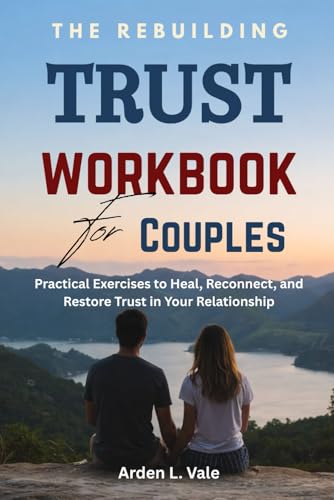
The Rebuilding Trust Workbook for Couples: Practical Exercises to Heal, Reconnect, and Restore Trust in Your Relationship
As an affiliate, we earn on qualifying purchases.
As an affiliate, we earn on qualifying purchases.
Conclusion
Remember, forgiveness isn’t about erasing pain but releasing its hold. Like a storm clearing to reveal a calm sky, letting go frees you from the weight of grudges. Holding onto anger is like clutching a hot coal—you hurt yourself more than anyone else. Choosing forgiveness is opening the window after a storm, letting fresh air in and light shine through. Embrace this process, and you’ll find peace blossoming where resentment once dwelled.

DPEHAKMK Emotional Healing Oracle Deck, 56 Oracle Cards for Beginners, Mindfulness, and Spiritual Growth, Affirmation and Reflection Deck
- Emotion Exploration: Covers a range of feelings from love to loneliness
- Calming Design: Features circular light for focus and reflection
- Therapy and Mindfulness: Supports journaling, meditation, and shadow work
As an affiliate, we earn on qualifying purchases.
As an affiliate, we earn on qualifying purchases.

The Set Boundaries Workbook: Practical Exercises for Understanding Your Needs and Setting Healthy Limits
As an affiliate, we earn on qualifying purchases.
As an affiliate, we earn on qualifying purchases.