Helping others boosts your happiness by releasing feel-good hormones like oxytocin and endorphins, creating a natural high. Acts of kindness strengthen your social bonds, reduce stress, and improve your mental and physical health. Volunteering also helps you develop new skills, build confidence, and feel a sense of belonging. These benefits combine to enhance your overall well-being. Curious how giving can transform your life? Keep exploring the powerful ways generosity supports your happiness.
Key Takeaways
- Acts of kindness trigger feel-good hormones like oxytocin and endorphins, creating a natural high and boosting happiness.
- Helping others reduces stress and loneliness, leading to improved mental health and greater life satisfaction.
- Volunteering lowers blood pressure and inflammation, contributing to better physical health.
- Giving fosters social bonds, community connection, and a sense of belonging, enhancing overall well-being.
- Acts of generosity promote personal growth, build skills, and increase resilience, empowering positive behavior change.
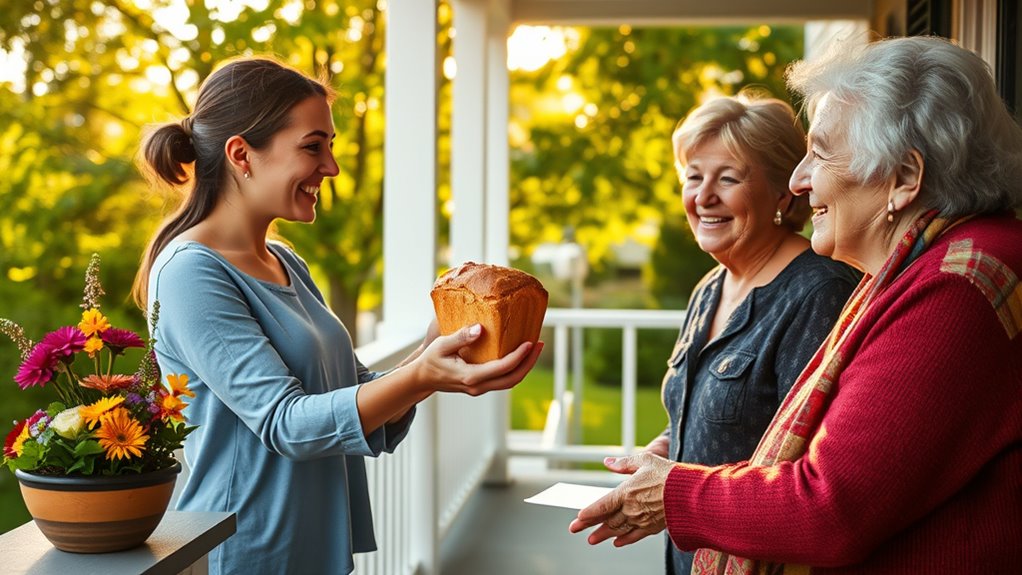
Have you ever wondered how a simple act of generosity can transform lives? When you choose to give your time, energy, or resources to others, you’re not just helping them—you’re also fueling your own well-being. Volunteering benefits extend far beyond the immediate act; they create a ripple effect that enhances your mental health, boosts your sense of purpose, and strengthens your community. Altruism psychology explains why acts of kindness make you feel good. It suggests that helping others triggers the release of feel-good hormones like oxytocin and endorphins, giving you a natural high. This biological response isn’t just a coincidence—it’s a built-in reward system designed to foster social bonds and cooperative behavior. When you volunteer, your brain recognizes that your actions are beneficial, reinforcing a positive cycle of giving and receiving.
Engaging in altruistic activities can reduce stress and combat feelings of loneliness. When you focus on others, your worries often take a backseat, allowing you to experience a sense of fulfillment and connection. This emotional boost isn’t fleeting; it can lead to long-term improvements in your mental health. Many studies have shown that volunteers report higher levels of happiness and life satisfaction compared to those who don’t participate in giving. The benefits aren’t solely emotional; volunteering can also improve physical health by lowering blood pressure, reducing inflammation, and encouraging more active lifestyles. It’s a win-win situation—you help others and, in turn, enhance your own health.
Moreover, volunteering provides opportunities for personal growth. It helps you develop new skills, expand your network, and gain different perspectives. These experiences can increase your confidence and resilience, empowering you to face life’s challenges with a more positive outlook. The sense of community and belonging that comes with giving can also strengthen your social ties, making you feel more connected and less isolated. When you help others, you reinforce the idea that you’re part of something larger than yourself, which can be incredibly uplifting. Additionally, engaging in behavior change like volunteering can boost your sense of mastery and self-efficacy, further supporting your overall well-being.
In essence, embracing acts of kindness isn’t just about the impact on others; it’s about nurturing your own happiness and well-being. The more you give, the more you’re likely to receive—emotionally, physically, and socially. Whether it’s volunteering at a local shelter, mentoring someone, or simply offering a kind word, every act of altruism psychology reinforces that kindness isn’t just good for others; it’s essential for your own happiness. So next time you’re considering helping out, remember that your generosity holds the power to transform lives—including your own.

Suteck Zero Gravity Chair, Reclining Camping Lounge Chair w/Removable Cushion, Upgraded Lock and Cup Holder, Reclining Patio Chairs Folding Recliner for Indoor and Outdoor
【TIPS】 Our oversized mat is vacuum-packed, and it will be naturally fluffy within 1-3 hours after unpacking. To...
As an affiliate, we earn on qualifying purchases.
Frequently Asked Questions
Can Giving Actually Improve Mental Health Long-Term?
Yes, giving can improve your mental health long-term. When you help others, you build emotional resilience by managing stress and fostering a sense of purpose. It also enhances social connectivity, which reduces feelings of loneliness and boosts your overall well-being. Over time, these positive impacts create a cycle that strengthens your mental health, making you more resilient and emotionally balanced, leading to sustained happiness and fulfillment.
What Are Small Ways to Start Giving Regularly?
Think of giving as planting seeds for your happiness. You can start small by exploring volunteer opportunities at local shelters or food banks, or make charitable donations online. These acts are like ripples in a pond, spreading kindness far beyond your reach. By consistently engaging in simple ways—such as donating clothes or time—you gradually build a habit that enriches your life and boosts your mental health long-term.
Does Giving Reduce Stress Levels?
Yes, giving can reduce your stress levels by boosting emotional resilience and strengthening social connection. When you help others, your body releases feel-good hormones like endorphins, which lower stress. Additionally, forming meaningful social bonds through giving enhances your emotional resilience, helping you better cope with challenges. Regular acts of kindness create a positive feedback loop, making you feel more connected and less overwhelmed by stress.
How Does Giving Impact Relationships With Others?
When you give to others, you strengthen emotional bonds and build trust, which deepens your relationships. Your acts of kindness show you care, encouraging others to open up and connect more genuinely. This mutual trust fosters a sense of belonging and understanding, making your relationships more resilient and fulfilling. Giving creates a positive cycle where emotional bonds grow stronger, enhancing your overall connection and making your social circle more supportive.
Are There Risks Associated With Overextending Oneself in Giving?
Yes, overextending yourself in giving can lead to burnout and strain your finances. To prevent burnout, set healthy boundaries and prioritize self-care. Financial planning helps guarantee you give sustainably without risking your stability. Remember, giving is valuable, but you must balance it with your well-being. By managing your resources wisely, you can continue helping others without sacrificing your own happiness or security.

Korser Power Zero Gravity Recliner Chairs for Adults, Adjustable Electric Reclining Chair with USB&Type-C Ports, Wall Hugger Recliner for Small Spaces with Side Pocket for Living Room and Bedroom
Zero-Gravity Experience: Korser zero gravity recliner is ergonomically designed, offering a truly seamless blend of scientific relaxation and...
As an affiliate, we earn on qualifying purchases.
Conclusion
When you give to others, you release a happiness that’s more powerful than any treasure. Your acts of kindness create ripples that transform your life in ways you can’t imagine, fueling your soul with joy and purpose. Remember, every small gesture has the potential to brighten someone’s day—and in doing so, light up your own life like a supernova of love. Keep giving, because the happiness you create is truly limitless.
Amazon Product B0F3JL4YFW
As an affiliate, we earn on qualifying purchases.

JUUXO 3-Motor Lift Chair with Adjustable Seat Height Zero Gravity Lay Flat Recliner with Heat Massage, Big Man Lift Recliners 400 lbs for Elderly Storage Cup Holders, Tall Man Recliner
Zero Gravity Recline for Weightless Comfort: Experience the weightless comfort of the zero-gravity position, designed to reduce body...
As an affiliate, we earn on qualifying purchases.