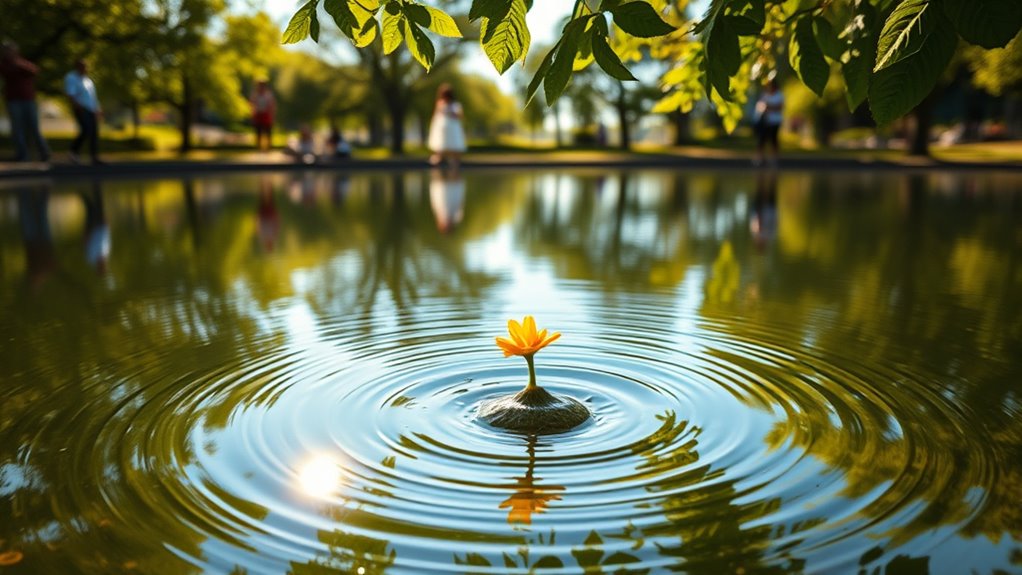

Every good deed you perform can trigger a ripple effect, inspiring others to do the same. When you help neighbors, volunteer, or simply show kindness, you set off waves that influence friends, family, and coworkers to follow suit. This chain reaction fosters community and spreads compassion far beyond what you see initially. By taking action, you become part of a larger movement where kindness grows and multiplies — discover how your actions can create lasting change.
Key Takeaways
- One good deed can trigger a chain reaction, inspiring others to perform acts of kindness.
- Sharing acts of kindness encourages community participation and normalizes generosity.
- Small acts of kindness have a contagious effect that spreads through neighborhoods and online.
- Participating in kindness challenges boosts motivation and fosters ongoing compassionate actions.
- Collective acts of kindness create positive momentum, leading to meaningful societal change.
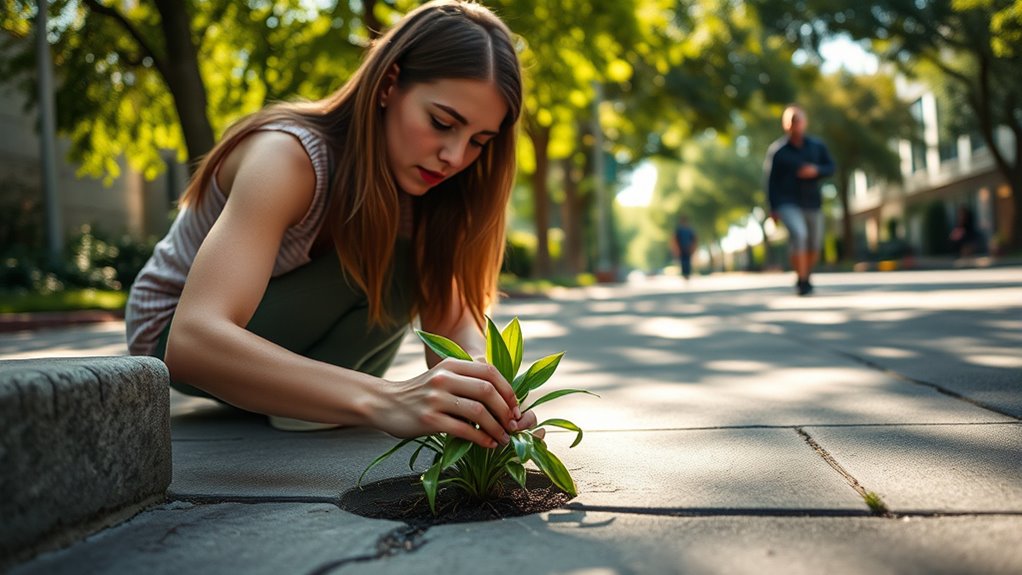
Have you ever noticed how a single act of kindness can spark a chain reaction? It’s like dropping a pebble into a pond—the ripples extend far beyond what you initially see. When you choose to perform a good deed, whether it’s helping a neighbor or volunteering your time, you set off a wave that can influence others to do the same. This is the power of the ripple effect, and it begins with simple actions that inspire more kindness. Participating in volunteering opportunities is a perfect way to start this chain. By giving your time to a local shelter, food bank, or community project, you not only make a tangible difference but also demonstrate the importance of compassion to those around you. Your actions might encourage friends, family, or coworkers to get involved, creating a broader impact than you’d imagine. Many people find that taking part in kindness challenges—such as performing a certain number of good deeds within a week—boosts their motivation to keep spreading positivity. These challenges push you to step outside your comfort zone, whether it’s paying for someone’s coffee, complimenting a stranger, or volunteering in a new way. As you challenge yourself, you show others that kindness isn’t a one-time act but a way of life. When you share your experiences, you help normalize acts of generosity and empathy, encouraging others to follow suit. It’s remarkable how witnessing or hearing about your efforts can inspire a friend or coworker to initiate their own act of kindness. The ripple effect amplifies as more people join in, creating a community rooted in support and understanding. Cultivating positive social norms through consistent acts of kindness can strengthen community bonds and foster a sense of belonging. Each kindness challenge you undertake becomes a catalyst for greater good, reinforcing the idea that small acts are powerful. The beauty of this process is that it’s contagious—you don’t have to be a superhero to make a difference. Simply choosing to be kind can inspire others to see the value in their own actions. As these acts accumulate, they form a wave of positive momentum that spreads throughout neighborhoods, workplaces, and online communities. Over time, this collective effort can lead to meaningful change, fostering a culture of compassion and cooperation. So next time you’re presented with an opportunity for volunteering or a kindness challenge, seize it. Remember, your small act can set off a chain reaction, touching lives in ways you may never fully realize. Your willingness to give and to inspire others can transform your community, proving that the ripple effect of good deeds truly has no limits.
Frequently Asked Questions
How Long Does the Ripple Effect Typically Last?
The ripple effect’s duration varies based on influencing factors like the size of the initial act and the environment. Typically, it can last from days to weeks, but some ripples may extend even longer if they inspire ongoing actions. Your good deeds set off a chain reaction that can influence others repeatedly, so understanding the factors that affect lifespan helps you maximize the positive impact you create.
Can Small Acts of Kindness Have a Big Impact?
Yes, small acts of kindness can have a huge impact. When you perform random acts, you ignite social influence, inspiring others to do the same. It’s amazing how a simple smile or helping hand spreads quickly, creating a chain of positivity. You might never see the full effect, but your actions ripple outward, touching lives unexpectedly. Sometimes, it’s these tiny gestures that spark the most profound change.
Are Certain Environments More Conducive to Inspiring Kindness?
Yes, certain environments foster kindness more effectively. Community influence plays a key role, as positive social norms encourage compassionate behavior. Environmental cues, like visible acts of kindness or supportive spaces, inspire you to contribute similarly. When surrounded by caring people and uplifting surroundings, you’re more likely to act kindly, creating a ripple effect. These environments make kindness feel natural and contagious, amplifying the impact of your good deeds.
How Can Organizations Encourage a Culture of Good Deeds?
Remember, a chain is only as strong as its weakest link. You can encourage a culture of good deeds by implementing employee recognition programs that highlight kindness and teamwork. Leadership influence is essential—when leaders model compassionate behavior, others follow suit. Foster an environment where sharing positive stories is routine, inspiring everyone to act kindly. Your active support and recognition will ignite a ripple effect, making kindness a core value in your organization.
What Psychological Factors Motivate People to Perform Good Deeds?
You’re motivated by altruistic motivation and empathy development, which drive you to perform good deeds. When you feel empathy, you connect emotionally, inspiring you to help others. Altruistic motivation pushes you to act selflessly, knowing it benefits others and creates positive change. These psychological factors reinforce your desire to contribute, fostering a cycle of kindness that can inspire others and help build a compassionate community around you.
Conclusion
Every good deed you do sends out ripples, like stones tossed into a pond, creating waves that touch others’ lives in unexpected ways. Your kindness sparks a chain reaction, inspiring someone else to pay it forward. Remember, even the smallest act can grow into a powerful current of positivity. So keep the ripple flowing—your actions have the power to turn a single drop into a tidal wave of change.