
If your bedroom feels too warm, it’s likely affecting your sleep quality. Excess heat can cause you to sweat, toss, and turn, preventing you from reaching restful sleep stages. An overly hot room raises your core temperature, disrupts sleep cycles, and makes it hard to fall asleep or stay asleep through the night. Keep your bedroom cool, ideally between 60-67°F, to improve your sleep. To discover simple ways to stay comfortable, continue exploring how to optimize your sleep environment.
Key Takeaways
- Overheated bedrooms cause sweating, discomfort, and frequent awakenings, disrupting sleep quality and cycles.
- The optimal sleep temperature range is 60-67°F (15.5-19.5°C) to support restful sleep.
- Excess heat impairs REM sleep and can lead to dehydration and fatigue in the morning.
- Strategies like ventilation, cooling devices, and breathable bedding help maintain a cooler, more comfortable environment.
- Monitoring and adjusting room temperature to stay within the ideal range enhances sleep efficiency and overall health.

DREO Tower Fan for Bedroom, 2026 Upgraded DC Motor, 28ft/s High Velocity, 20dB Ultra Quiet Standing Fan, 8 Speeds 4 Modes, 90° Oscillating Bladeless Fan for Indoors, Floor Fans with Remote, Black
𝐌𝐨𝐫𝐞 𝐏𝐨𝐰𝐞𝐫𝐟𝐮𝐥 𝐰𝐢𝐭𝐡 𝐮𝐩𝐠𝐫𝐚𝐝𝐞𝐝 𝐃𝐂 𝐦𝐨𝐭𝐨𝐫: Thanks to DREO's upgraded brushless DC motor combined with TurboWind technology, the…
As an affiliate, we earn on qualifying purchases.
As an affiliate, we earn on qualifying purchases.
How Do I Know If My Bedroom Is Too Hot for Sleep?
If you’re having trouble falling asleep or staying asleep, your bedroom temperature might be to blame. A poor sleep environment often results from inadequate temperature regulation, making your room too hot. Signs include sweating during the night, feeling overheated, or waking up drenched in sweat. You might also notice difficulty settling down or tossing and turning because your body struggles to cool itself. If your room feels uncomfortably warm even when it’s cool outside, it’s a clear indicator that the temperature isn’t ideal for sleep. Your body needs a cooler environment to help lower its core temperature, which is essential for restful sleep. Monitoring your sleep environment can help you identify if heat is disrupting your sleep quality. Additionally, smart temperature control devices can optimize your bedroom climate to promote better sleep, ensuring your sleep environment remains at an ideal temperature. Proper climate regulation can significantly improve sleep quality and overall health. In fact, maintaining an optimal sleep temperature is crucial for achieving restorative sleep cycles and waking up refreshed. Being aware of your body’s temperature regulation during sleep can help you make adjustments that support healthier sleep patterns.

Zeacool Fitness Tracker with 24/7 Heart Rate, Blood Oxygen Blood Pressure Sleep Monitor, Activity Trackers 5 ATM Waterproof,Step Calorie Counter Pedometer Health Smart Watch for Women Men (Black)
24/7 Heart Rate Monitor :This blood pressure watch supports real-time dynamic heart rate, blood oxygen, blood pressure ,Sleep…
As an affiliate, we earn on qualifying purchases.
As an affiliate, we earn on qualifying purchases.
Why Sleep Temperature Matters for Restful Sleep
Maintaining the right sleep temperature is essential because it directly influences your body’s ability to rest and recover. Your sleep environment impacts how effectively your body can regulate temperature, which is vital for restful sleep. When the room is too hot or cold, your body’s temperature regulation system struggles, leading to fragmented sleep and decreased REM cycles. Proper temperature balance helps lower your core body temperature, signaling your brain that it’s time to rest. Consider this table to understand how temperature affects sleep stages:
| Sleep Stage | Ideal Temperature | Effect of Imbalance |
|---|---|---|
| Light Sleep | 60-67°F | Disrupts transitions |
| Deep Sleep | 60-67°F | Reduces duration |
| REM Sleep | 60-67°F | Impairs quality |
| Wakefulness | 60-67°F | Causes discomfort |
| Overall | 60-67°F | Fragmented sleep |
Maintaining a consistent sleep temperature can significantly improve the overall quality of your rest. Proper temperature regulation optimizes your sleep environment for restorative rest, as thermoregulation plays a crucial role in sleep quality. Being mindful of ambient factors like room temperature can help prevent disturbances and promote more continuous sleep cycles. Additionally, controlling air circulation can enhance comfort and prevent overheating during sleep. Understanding how environmental factors influence sleep can help you create an optimal sleeping environment for better health.

Google Nest Thermostat – Smart Thermostat for Home – Programmable Wifi Thermostat – Snow
ENERGY STAR certified smart thermostat for home that helps you save energy and stay comfortable.Product note: You can…
As an affiliate, we earn on qualifying purchases.
As an affiliate, we earn on qualifying purchases.
How Excessive Heat Disrupts Your Sleep Cycle
Excessive heat in your sleep environment can considerably disrupt your sleep cycle, making it harder for your body to rest and recover. When it’s too hot, your thermal regulation system struggles to maintain a stable internal temperature, forcing your body to work harder to cool down. This process often triggers sweat induced awakenings, interrupting your sleep stages. These awakenings prevent you from reaching deep, restorative sleep, leaving you feeling tired and unrested. Overheating also causes your core temperature to stay elevated, making it difficult to fall asleep initially. As a result, your sleep becomes fragmented, and your body’s natural rhythm gets thrown off. Managing heat effectively is essential to support your body’s ability to regulate temperature and maintain a healthy sleep cycle. Proper sleep environment management can help optimize your rest and improve overall sleep quality. Incorporating air purification to reduce pollutants and allergens can further enhance sleep comfort and quality. Using natural remedies such as essential oils like lavender or eucalyptus can promote relaxation and help regulate your body temperature for better sleep. Additionally, maintaining a comfortable room temperature can significantly contribute to better sleep quality by supporting your body’s natural cooling processes. Ensuring proper ventilation can also prevent heat buildup and humidity, making your sleep environment more conducive to restful sleep.

Snuggle Sac Natural Viscose Cooling Comforter Queen Size, Lightweight Breathable Silky Cooling Bedding with Q-Max>0.45 for Bedroom, Home Decor, Hot Sleepers & Night Sweats, Cool Gray 90"x90"
Breathable Plant-Based Cooling: Snuggle Sac cooling comforter features Q-Max >0.45 fabric that rapidly absorbs heat and lowers skin…
As an affiliate, we earn on qualifying purchases.
As an affiliate, we earn on qualifying purchases.
Easy Ways to Cool Your Bedroom for Better Sleep
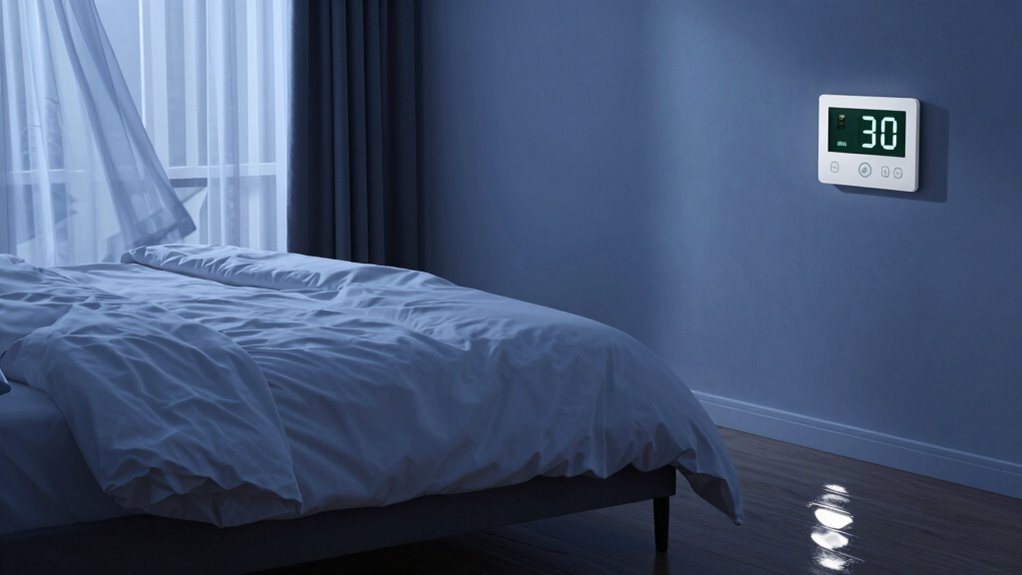
To create a cooler, more comfortable sleep environment, start by adjusting your bedroom’s temperature and airflow. Use proper bedroom ventilation by opening windows or running a fan to promote fresh air circulation. This helps reduce indoor heat and keeps the air moving, making it easier to maintain a consistent, cooler temperature. Proper ventilation not only cools the room but also enhances overall air quality, which is beneficial for restful sleep. Opt for lightweight, breathable sleepwear comfort—natural fabrics like cotton or linen help wick away sweat and prevent overheating during the night. Consider using a portable air conditioner or a cooling fan set to a comfortable level. Keep blinds or curtains closed during the day to block out heat from sunlight. Small changes like these can markedly improve your sleep quality by creating a cooler, more inviting space. Additionally, understanding the importance of air circulation can inspire you to create a relaxing, aesthetically pleasing environment that promotes better sleep. Incorporating plants that improve indoor air purity can also contribute to a more restful sleeping environment.
What Is the Best Bedroom Temperature for Sleep?

Finding the ideal bedroom temperature is essential for restful sleep, as it directly influences your body’s ability to regulate heat and achieve deep rest. The best sleep environment typically maintains a temperature between 60 and 67°F (15.5 to 19.5°C). When your room is too hot or too cold, your body’s temperature regulation becomes disrupted, making it harder to fall asleep and stay asleep. A comfortable sleep environment supports your body’s natural cooling process, helping you reach deeper sleep stages. Keep in mind that personal preferences vary slightly, so adjust the temperature within that range to find what feels best for you. Proper temperature regulation creates an appropriate setting, ensuring your body can relax fully and enjoy restorative sleep. Understanding heat distribution in your bedroom can also help optimize comfort and sleep quality. Additionally, managing heat sources such as electronic devices or drafts can further enhance your sleep environment. Being aware of thermal comfort factors can assist in creating a more consistent and soothing sleep setting. For example, using insulation can help maintain a stable temperature and improve overall thermal comfort.
Frequently Asked Questions
Can a Too-Cold Bedroom Affect My Sleep Quality?
A too-cold bedroom can negatively affect your sleep quality because it disrupts your body’s ability to reach a comfortable temperature. Proper bedroom insulation helps maintain warmth, preventing excessive cold. You should also choose appropriate sleepwear, like thermal pajamas or layers, to stay cozy. When your environment is just right—not too hot or cold—you’ll fall asleep faster and enjoy deeper, more restorative sleep throughout the night.
How Does Humidity Influence Sleep Temperature Comfort?
Humidity levels act like a dance partner, influencing your sleep comfort. Too much moisture makes the air feel muggy, trapping heat and making you sweat, while too little causes dryness and discomfort. Proper moisture control keeps humidity balanced, creating a cozy environment that helps regulate your sleep temperature. Aim for 40-60% humidity to maintain a comfortable, restful night, ensuring your sleep isn’t disrupted by uncomfortable moisture levels.
Are There Specific Sleep Disorders Worsened by Heat?
Yes, heat can worsen sleep disorders like sleep apnea and restless leg syndrome. Elevated temperatures from climate change can disrupt your sleep hygiene, making it harder to fall asleep or stay asleep. Heat increases discomfort, which can intensify symptoms or cause more frequent awakenings. To improve sleep quality, you need to manage your environment by keeping your bedroom cool and practicing good sleep hygiene habits.
What Are Natural Methods to Maintain Optimal Sleep Temperature?
Keep your cool naturally by choosing breathable bedding like cotton or linen, which promote natural cooling. Use fans or open windows to create good airflow, and consider placing a cold pack or damp cloth on your forehead. Adjust your sleep environment by lowering the thermostat or using blackout curtains. It’s a simple fix to beat the heat and get the restful sleep you deserve. Stay cool, stay comfortable!
Does Sleep Temperature Impact REM Sleep Duration?
Yes, your sleep temperature impacts REM sleep duration because thermoregulation plays a key role in your sleep cycle. When your body maintains an ideal temperature, it promotes longer REM phases. If your environment is too hot or cold, it disrupts this process, shortening REM sleep. To improve your sleep cycle, keep your room cool and well-ventilated, helping your body regulate temperature naturally and enhance REM sleep quality.
Conclusion
Just like a cozy, cool breeze soothes a restless night, setting your bedroom to the right temperature can transform your sleep. Imagine your sleep as a delicate flower, needing just the right amount of warmth to bloom peacefully. When your room gets too hot, it’s like trying to grow in a harsh sun—your sleep suffers. Keep your bedroom cool, and you’ll wake up refreshed, ready to conquer the day ahead.