

Many nice people make the mistake of sacrificing their boundaries to be kind, often out of fear of hurting others or appearing selfish. This leads you to overextend, neglect self-care, and feel emotionally drained. You may find yourself saying yes too often or avoiding uncomfortable conversations, setting the stage for burnout. Recognizing where you overstep and learning how to communicate your limits helps protect your well-being. To discover practical ways to set healthy boundaries, keep exploring this topic.
Key Takeaways
- Confusing kindness with self-sacrifice leads nice people to neglect their own needs and overextend themselves.
- Fear of hurting others often prevents nice people from setting clear, necessary boundaries.
- Nice people tend to agree to uncomfortable requests to maintain harmony, risking boundary violations.
- They may avoid saying no, believing it shows care, but it can cause emotional exhaustion and resentment.
- Lack of assertiveness in boundary setting causes nice people to become overwhelmed and undervalue self-care.

Many kind-hearted people struggle with setting boundaries because they fear saying no will hurt others or make them seem selfish. This fear often leads to overextending yourself, which can result in emotional exhaustion. When you’re constantly giving without taking time for yourself, you might start feeling drained, overwhelmed, and less able to cope with everyday stresses. The cycle continues because, in your effort to be helpful, you may inadvertently overstep boundaries—both your own and others’. Overstepping boundaries happens when you push past your limits to accommodate others, often without realizing it. You might agree to requests you’re uncomfortable with or stay silent when you should speak up. Over time, this behavior chips away at your energy and emotional well-being, reinforcing feelings of burnout.
Overextending yourself drains energy and fuels emotional exhaustion, making it harder to care for your well-being.
The key mistake many nice people make is confusing kindness with self-sacrifice. While it’s admirable to be caring, it’s equally important to recognize your limits. When you prioritize others’ needs above your own constantly, you risk emotional exhaustion, where your emotional reserves become depleted. This state makes it harder to be empathetic and patient because you’re running on empty. Overstepping boundaries isn’t always intentional; sometimes, it’s a subconscious response to your desire to be liked and accepted. But by doing so, you set a precedent where others may expect you to always be available, leading to further boundary violations and increased stress. Recognizing the importance of content formats and understanding how they influence communication can help in establishing clearer boundaries. Incorporating environmental awareness, such as understanding natural pools and outdoor spaces, can also contribute to creating a more balanced and sustainable environment that supports your well-being. Additionally, understanding net worth and financial boundaries can help prevent overcommitment in other areas of life.
To avoid these pitfalls, you need to become more aware of your limits and communicate them clearly. Setting boundaries isn’t about being unkind; it’s about protecting your mental health and maintaining your energy. When you overstep boundaries, you risk fostering resentment and frustration, which only adds to emotional exhaustion. Remember, saying no when necessary isn’t selfish—it’s essential for your well-being. You don’t have to explain or justify every boundary; simple, honest communication often suffices. Respecting your boundaries encourages others to do the same and helps prevent the cycle of overcommitment and burnout. Additionally, understanding natural pools and how they integrate with your backyard space can inspire a more holistic approach to your outdoor environment, fostering both relaxation and sustainability.
In practice, start small. Practice asserting your limits in low-stakes situations and gradually work up to more challenging ones. Recognize when you’re starting to feel overwhelmed and take steps to step back. Over time, you’ll find that setting boundaries becomes easier, and you’ll protect your emotional health. Ultimately, understanding that boundaries are a form of self-respect allows you to be both kind and caring without sacrificing your happiness or well-being. You don’t have to be everything for everyone—taking care of yourself is the foundation for truly being there for others.
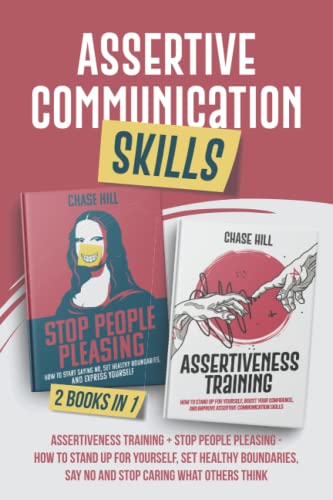
Assertive Communication Skills : 2 Books in 1: Assertiveness Training + Stop People Pleasing – How to Stand Up for Yourself, Set Healthy Boundaries, … What Others Think (Mental Clarity Bundle)
As an affiliate, we earn on qualifying purchases.
As an affiliate, we earn on qualifying purchases.
Frequently Asked Questions
How Can I Recognize When My Boundaries Are Being Crossed?
You’ll recognize your boundaries are being crossed when you notice emotional triggers like frustration, resentment, or discomfort surfacing. Pay attention to these feelings—they signal your limits are being tested. To enforce your boundaries, communicate clearly and assertively, ensuring others understand your needs. Consistent boundary enforcement helps prevent crossing again, fostering healthier relationships. Trust your instincts and respond promptly when you feel your boundaries are at risk.
What Are the First Steps to Setting Healthy Boundaries?
Start by identifying your needs and feelings, then practice assertiveness training to communicate them clearly. It might feel uncomfortable at first, but building emotional resilience helps you stand your ground. Remember, setting boundaries isn’t about being confrontational; it’s about respecting yourself. Begin with small, manageable steps—say no when needed—and gradually strengthen your confidence. This rhythm of honesty and self-respect creates healthier relationships and empowers you to maintain your boundaries.
How Do Boundaries Differ in Personal Versus Professional Relationships?
In personal relationships, boundaries focus on protecting your personal space and emotional limits, allowing intimacy and trust to grow. In professional settings, they emphasize maintaining respect, clear roles, and appropriate emotional distance. You adapt boundaries based on context: being open and vulnerable with loved ones, but keeping a professional demeanor at work. Recognizing these differences helps you set healthy limits that foster balanced, respectful connections.
Can Setting Boundaries Harm My Relationships?
Setting boundaries, including enforcing emotional limits, can sometimes feel risky, but they don’t have to harm your relationships. When you communicate clearly and respectfully, boundary enforcement actually strengthens trust and understanding. It shows you’re valuing your well-being without disregarding others’ feelings. If others respect your boundaries, your relationships will grow healthier. Remember, healthy boundaries foster mutual respect, making your connections more authentic and resilient over time.
What Are Common Signs of Boundary-Setting Failure?
You might notice boundary-setting failure through emotional resilience struggles, like feeling overwhelmed or resentful. If you often compromise your needs or ignore your feelings, it shows a lack of self-awareness. You may also experience guilt or anxiety when asserting yourself, indicating difficulty maintaining healthy boundaries. Recognizing these signs helps you build better self-awareness, empowering you to establish boundaries that protect your emotional well-being and foster healthier relationships.

Anxious Attachment, Codependency Recovery & Setting Boundaries Workbook (3 in 1): 125+ Proven Techniques for Ending Relationship Anxiety, Stop Overthinking & Inner Child Healing to Reclaim Self-Worth
As an affiliate, we earn on qualifying purchases.
As an affiliate, we earn on qualifying purchases.
Conclusion
Remember, setting boundaries isn’t about being mean; it’s about respecting yourself. Nice people often mistake saying yes for kindness, but boundaries show self-respect and foster healthier relationships. Don’t let the fear of upsetting others hold you back. As the saying goes, “You can’t pour from an empty cup.” Prioritize your well-being, and you’ll find that true kindness begins with respecting your own limits. Embrace boundaries—they’re the foundation of genuine connection.
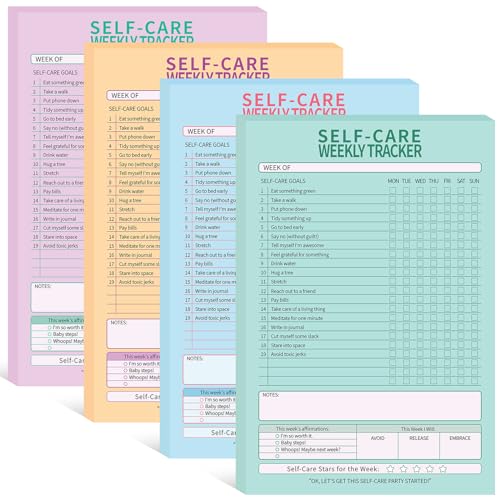
Cholemy 4 Pcs 240 Sheet Daily Checklist Weekly Tracker Pad 6 x 9 Inch Undated Notepad Productivity Schedule for Organizing Goals Mental Health Wellness Meal Prep Planner, 4 Colors (Self Care)
4 Color Options and Quality Material: our self care weekly tracker pads are designed to not only meet…
As an affiliate, we earn on qualifying purchases.
As an affiliate, we earn on qualifying purchases.

LifeSeasons Anxie-T – Stress Relief Supplement – Supports Mood & Mental Focus – Feel Calm and Relaxed – Eases Tension & Nervousness – Ashwagandha, Kava Kava, GABA & L-Theanine – 60 Capsules
Health Benefits – Anxie-T supports the body’s natural ability to deal with common symptoms of stress, including nervousness…
As an affiliate, we earn on qualifying purchases.
As an affiliate, we earn on qualifying purchases.