

You might notice compatibility showing through conflicts because true harmony relies on emotional maturity, shared understanding, and good communication—things that become clear when challenges arise. Chemistry can spark passion quickly, but it’s the way you handle disagreements and your ability to manage emotions that truly tests compatibility. When you work through conflicts with empathy and patience, it proves your connection is deeper than chemistry alone. Keep exploring, and you’ll discover how these dynamics shape lasting relationships.
Key Takeaways
- Compatibility involves shared emotional needs and communication styles, which become more apparent during conflicts.
- Chemistry is based on initial attraction, while compatibility reveals itself through emotional resilience and conflict resolution.
- Conflicts highlight differences in emotional triggers and communication styles, showcasing underlying compatibility or incompatibility.
- Compatibility requires ongoing effort and understanding, often tested during disagreements rather than in moments of attraction.
- Resolving conflicts with empathy and patience demonstrates emotional intelligence, a core aspect of true compatibility.

Have you ever wondered why some relationships thrive while others struggle? It’s often less about intense chemistry and more about how well you understand each other’s emotional landscape. Compatibility isn’t just about shared interests or physical attraction; it’s fundamentally rooted in emotional intelligence—the ability to recognize, understand, and manage your own emotions while being attuned to your partner’s feelings. When emotional intelligence is high, you can navigate conflicts with empathy and patience, which helps prevent small disagreements from escalating into larger issues. This skill also involves being aware of early warning signs for relationship issues, so you can address problems before they grow. This is where communication styles come into play. If you and your partner have compatible communication styles, you’re more likely to express yourselves clearly and listen effectively. Conversely, mismatched styles can lead to misunderstandings and frustration, even if you’re deeply attracted to each other.
Many people assume that chemistry is the foundation of a lasting relationship, but chemistry alone often masks underlying incompatibilities. Chemistry ignites passion, but it doesn’t guarantee emotional resilience or the ability to handle conflict. Compatibility, on the other hand, involves a shared understanding of each other’s emotional needs and communication preferences. When you and your partner are on the same wavelength emotionally, you’re better equipped to resolve conflicts constructively. You’re willing to listen, compromise, and validate each other’s feelings, which sustains the relationship through difficult times. Recognizing emotional triggers and how they influence your reactions is a critical part of this process. Without this, even the strongest chemistry can falter because unresolved conflicts tend to erode the emotional connection over time. Understanding body language cues can also be a valuable tool for interpreting unspoken emotions and strengthening your connection.
You might find yourself attracted to someone because of that initial spark, but if your emotional intelligence isn’t aligned or if your communication styles clash, conflicts can become more frequent and more intense. For example, if you tend to withdraw when upset and your partner prefers to confront issues directly, misunderstandings are bound to happen. Over time, these patterns deepen the divide, making it harder to rebuild trust and intimacy. Compatibility hinges on your ability to adapt and develop emotional maturity—understanding your own triggers and learning how to express your feelings without blame. Developing self-awareness about your emotional responses can significantly improve your ability to navigate disagreements. Furthermore, understanding the importance of privacy policies and data management can help establish boundaries that foster trust and respect in the relationship. When your emotional intelligence complements your partner’s, and your communication styles mesh well, conflicts become opportunities to grow rather than walls to break down.
Ultimately, what keeps a relationship resilient isn’t just chemistry; it’s the ongoing effort to foster understanding, patience, and effective communication. Compatibility shows up in conflict because it reveals whether you can handle disagreements with empathy and respect. When these elements align, your relationship can withstand the storms, transforming conflicts into chances for deeper connection.

The Emotional Intelligence Training Book: From Reaction to Response: 50 Short Lessons in Self-Awareness, Self-Regulation, and Relationships
As an affiliate, we earn on qualifying purchases.
As an affiliate, we earn on qualifying purchases.
Frequently Asked Questions
Can Two Compatible People Still Experience Frequent Disagreements?
Yes, two compatible people can still experience frequent disagreements. Compatibility myths often suggest that harmony means no conflict, but healthy relationships involve steering through differences via conflict resolution. When you understand that disagreements are natural, you can approach them constructively, strengthening your bond. Compatibility isn’t about avoiding conflicts but about how you handle them together, fostering growth and deeper understanding rather than constant confrontation.
How Does Emotional Intelligence Influence Compatibility and Conflict?
You might be surprised how emotional intelligence shapes your relationship’s harmony. When you develop emotional awareness, you can navigate conflicts more skillfully, transforming disagreements into growth opportunities. Empathy development allows you to understand your partner’s perspective deeply, reducing misunderstandings. This awareness fosters genuine connection, making compatibility more resilient. So, by honing these skills, you turn potential clashes into catalysts for stronger bonds, revealing that emotional intelligence is the true glue behind lasting compatibility.
Are Certain Personality Types More Prone to Conflict Despite Compatibility?
Certain personality types are more prone to conflict despite compatibility because personality clashes and conflict triggers vary. You might find that assertive or highly independent personalities often trigger misunderstandings or disagreements, even if your core values align. These personality clashes can activate conflict triggers, causing tension. Recognizing these tendencies helps you navigate conflicts better and build stronger connections, understanding that compatibility doesn’t always prevent conflict but can guide healthier resolutions.
Can External Stressors Impact the Appearance of Compatibility?
External stressors are like storms that can obscure clear skies, making compatibility harder to see. When external pressures or societal expectations build up, they can cause conflicts or tension, even if you’re truly compatible. These factors strain your relationship, pushing you into disagreements or misunderstandings. So, yes, external stressors can impact how compatibility appears, often making it seem like you’re at odds when, in reality, outside influences are just clouding the connection.
How Do Communication Styles Affect the Clash Between Compatibility and Conflict?
Your communication styles directly influence how compatibility and conflict clash. When you have communication barriers, it becomes harder to understand each other, leading to misunderstandings and emotional disconnect. Even if you’re compatible, poor communication can escalate conflicts, making you feel distant. Open, honest conversations help bridge these gaps, fostering emotional connection and reducing conflicts. Recognizing and improving your communication styles can transform potential clashes into opportunities for growth and deeper understanding.
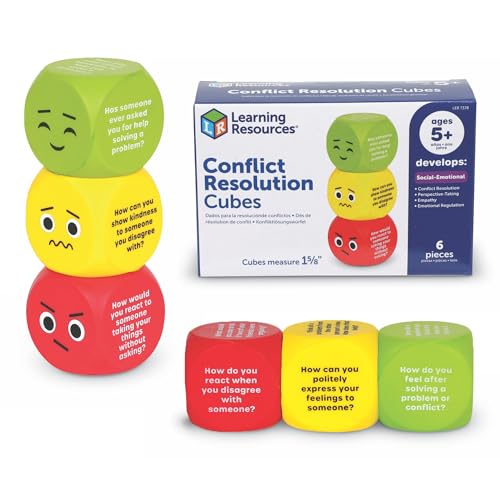
Learning Resources Conflict Resolution Cubes – Conversation Starter Cubes, Therapy Games for Kids, Social Skills Cards, Social Emotional Learning Games, Table Questions for Family Dinner
LEARNING CONVERSATION CUBES: Kids roll colorful cubes and explore 30 prompts while building communication skills; perfect for conversation…
As an affiliate, we earn on qualifying purchases.
As an affiliate, we earn on qualifying purchases.
Conclusion
When you chase compatibility like a shining star, you might forget that sometimes, the sparks of conflict are what forge true connection. Like two rivers converging, differences flow and collide, carving out a deeper understanding. Embrace the turbulence, for it’s in the clash that bonds are tested and strengthened. Remember, harmony isn’t just about matching notes—it’s about dancing through discord and finding rhythm in the chaos. That’s where real chemistry truly lives.

What Every Body Is Saying: An Ex-FBI Agent's Guide to Speed-Reading People
Product Condition: No Defects
As an affiliate, we earn on qualifying purchases.
As an affiliate, we earn on qualifying purchases.

8-Week Couples Therapy Workbook: Essential Strategies to Connect, Improve Communication, and Strengthen Your Relationship
As an affiliate, we earn on qualifying purchases.
As an affiliate, we earn on qualifying purchases.