

To recognize emotional reciprocity early, pay attention to whether your emotional exchanges feel balanced and genuine. Notice if your partner responds with warmth, understanding, and empathy, rather than dismissiveness or disengagement. Observe body language, tone of voice, and facial expressions for signs of attentiveness or disinterest. If feelings are shared openly and responded to with care, it’s a positive sign. Keep watching for these cues, and you’ll uncover valuable insights into the relationship’s emotional health.
Key Takeaways
- Observe if emotional exchanges are balanced, with both parties sharing and responding to feelings genuinely.
- Notice consistent warmth, empathy, and understanding in responses during vulnerable or emotional moments.
- Detect whether emotional cues are reciprocated or met with disengagement or dismissiveness.
- Pay attention to body language and tone that reflect genuine engagement versus disinterest.
- Look for patterns of mutual support and active listening in emotional conversations early on.

Have you ever wondered how to tell if a relationship is truly balanced? Recognizing emotional reciprocity early can save you from investing in relationships that aren’t mutually fulfilling. One of the key ways to gauge this is by paying close attention to emotional cues. These cues are subtle signals—like facial expressions, tone of voice, or body language—that reveal how someone genuinely feels. When you’re engaged, you notice if the other person responds with warmth, understanding, and empathy, or if they seem disengaged or dismissive. Consistently sensing these cues helps you understand whether the emotional exchanges are reciprocal or one-sided. Recognizing these signals early can also help you identify early warning signs that a relationship may not be as healthy as it appears.
Active listening plays a crucial role in recognizing emotional reciprocity. When you genuinely listen, you focus on more than just the words being spoken; you tune into the emotional undertones behind them. This means not interrupting, avoiding assumptions, and asking thoughtful questions to clarify feelings. As you practice active listening, you become more attuned to how the other person expresses themselves emotionally. Do they share their feelings openly, or do they keep things guarded? Are they responsive when you open up, or do they change the subject or minimize your emotions? These responses reveal a lot about the level of emotional reciprocity in your relationship. Additionally, understanding emotional cues can help you better interpret subtle signals that might otherwise go unnoticed. Recognizing these cues often involves being aware of nonverbal communication, which is a vital aspect of emotional understanding. Incorporating awareness of cultural influences can also deepen your comprehension of how emotional expressions vary across different backgrounds. Developing this awareness can enhance your ability to pick up on subtle emotional signals that may differ based on cultural contexts.
You also want to observe how both of you handle emotional moments. In a balanced relationship, emotional cues are shared and acknowledged on both sides. When you express vulnerability, do they respond with compassion? When they share their struggles, do you listen actively and offer support? If you find yourself constantly giving more emotional energy than you receive, it’s a sign that the relationship might not be as balanced as it appears. Conversely, if your emotional cues are met with equal understanding and responsiveness, it’s a good early indicator of emotional reciprocity.
Another aspect to consider is how conflicts or disagreements are handled. Are emotions acknowledged and addressed respectfully? Do both of you work together to resolve issues, or does one person tend to shut down or dismiss the other’s feelings? Recognizing these patterns early helps you determine whether the relationship fosters mutual emotional support. By focusing on emotional cues and practicing active listening, you create a clearer picture of the emotional landscape between you and your partner, making it easier to identify whether your connection is truly reciprocal or needs adjustment.

Mindful Listening (HBR Emotional Intelligence Series)
As an affiliate, we earn on qualifying purchases.
As an affiliate, we earn on qualifying purchases.
Frequently Asked Questions
Can Emotional Reciprocity Exist Without Verbal Communication?
Yes, emotional reciprocity can exist without verbal communication. You can notice it through non-verbal cues like eye contact, gentle touches, or shared smiles that create a silent understanding between you and someone else. These cues often reflect mutual care and empathy, showing that both of you are emotionally connected without needing words. Recognizing these subtle signals helps you understand the depth of your emotional bond early on.
How Does Cultural Background Influence Emotional Reciprocity?
Cultural background shapes how you perceive and engage in emotional reciprocity. Different cultural norms dictate emotional expression, influencing whether you share feelings openly or subtly. In some societies, showing emotion is considered a sign of strength, while in others, restraint is valued. Your cultural upbringing guides your understanding of reciprocity, affecting how you respond, interpret, and build emotional connections with others across diverse contexts.
What Are Common Signs of Emotional Imbalance in Reciprocity?
You notice emotional imbalance indicators when one person consistently dominates or withdraws, ignoring emotional cues from the other. Signs include mismatched responses, lack of empathy, or feeling unheard and undervalued. When emotional cues aren’t reciprocated, it signals an imbalance. You might feel drained or frustrated, indicating the need to address the imbalance. Recognizing these signs early helps you restore healthy emotional reciprocity and strengthen your connection.
Is Emotional Reciprocity Important in Professional Relationships?
Yes, emotional reciprocity is essential in professional relationships because it fosters mutual understanding and trust building. When you actively engage in reciprocal emotional exchanges, you create a supportive environment where colleagues feel valued and understood. This mutual understanding enhances collaboration, reduces misunderstandings, and strengthens your connections. Prioritizing emotional reciprocity helps build a solid foundation for long-term, productive professional relationships, ultimately benefiting your career growth and teamwork.
How Quickly Can Emotional Reciprocity Develop in New Connections?
You can build emotional reciprocity quickly, often within a few interactions, if you establish initial trust and emotional attunement. When you genuinely listen and respond to the other person’s feelings, it’s like hitting two birds with one stone—creating a strong connection fast. By being authentic and attentive early on, you lay the groundwork for mutual understanding and emotional exchange, making the relationship feel natural and rewarding in no time.
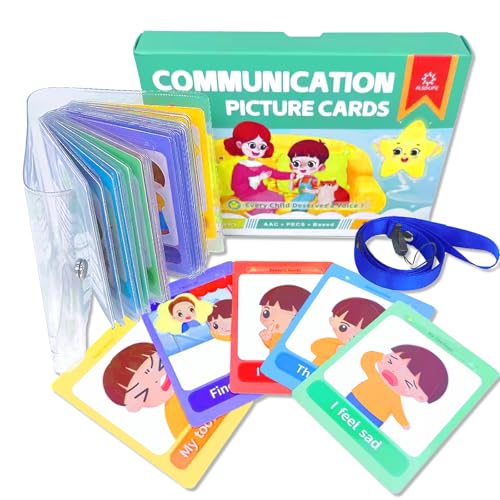
ALSOLIFE Communication Cards for Nonverbal Kids- 52 Flash Cards with Water Proof Album and Lanyard for Special Needs, Autism | PECS, AAC, ABA Therapy Materials, Speech Delay Learning Materials
【Develop Communication Skills】ALSOLIFE Special needs communication cards are clear, simple, and easy for kids to understand, perfect for…
As an affiliate, we earn on qualifying purchases.
As an affiliate, we earn on qualifying purchases.
Conclusion
If you pay close attention now, you might catch the subtle signs of emotional reciprocity before it’s too late. What if those small gestures reveal a deeper connection just waiting to unfold? Don’t ignore the hints—your next move could change everything. Stay alert, trust your instincts, and you might just discover a bond that’s more profound than words. Are you ready to see what’s really happening beneath the surface? The truth could be closer than you think.

Empathy Workbook for Kids (7-13): Learning to Walk in Someone Else's Shoes (Mental Health and Wellness for teens and pre-teens)
As an affiliate, we earn on qualifying purchases.
As an affiliate, we earn on qualifying purchases.
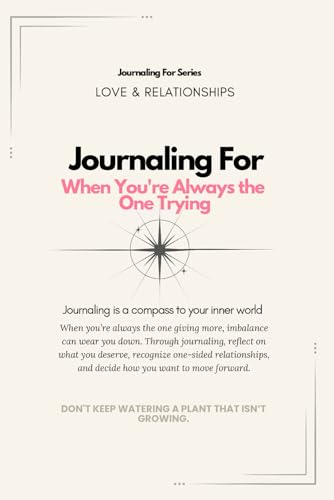
Journaling For When You're Always the One Trying | Guided Workbook: A relationship recovery workbook to rebalance one-sided love, rebuild self-worth, and restore emotional reciprocity.
As an affiliate, we earn on qualifying purchases.
As an affiliate, we earn on qualifying purchases.