

The “too independent” label is often a misconception that overlooks the value of healthy interdependence in relationships. You can stay emotionally strong while trusting others and sharing decision making. It’s about finding balance—leaning on support without losing your self-identity. When you embrace mutual reliance, you build trust and deepen bonds. If you want to understand how to strengthen your connections through confident interdependence, keep exploring these insights.
Key Takeaways
- Healthy interdependence involves trusting others and sharing decisions without losing self-identity or independence.
- Being “too independent” is a misconception; balancing personal strength with mutual reliance fosters stronger relationships.
- Asking for help and collaborating demonstrates emotional maturity, not dependence or weakness.
- Sharing responsibilities and decision-making enhances trust, intimacy, and resilience in relationships.
- True strength includes recognizing when support benefits everyone and embracing interdependence healthily.

Have you ever been told that you’re “too independent”? It can feel like a critique, especially if you value your autonomy and pride yourself on handling things on your own. But independence isn’t about shutting others out or refusing help; it’s about balancing your personal strength with meaningful connection. When people label you as “too independent,” they often overlook the importance of healthy interdependence—the ability to rely on others without losing your sense of self. In a healthy relationship, emotional reliance isn’t a sign of weakness; it’s a mutual exchange that fosters trust and intimacy. You might be used to making decisions alone, but shared decision making is a crucial aspect of emotional reliance. It involves collaborating with others, considering their perspectives, and making choices together. This doesn’t diminish your independence; instead, it enriches your relationships by showing that you’re capable of openness and trust.
Many believe that independence means doing everything solo, but true strength lies in knowing when to lean on others and how to share responsibilities. When you practice shared decision making, you demonstrate confidence not just in your abilities but also in your partner’s or friends’ judgment. It’s about recognizing that you don’t have to shoulder every burden or face every challenge alone. This kind of interdependence nurtures emotional reliance, allowing you to feel supported without feeling dependent. It’s a delicate dance—giving space for your independence while still valuing the connections that make life more fulfilling. Developing healthy interdependence can foster resilience and emotional growth, creating a more balanced approach to relationships. Recognizing the importance of interpersonal skills can help you cultivate these meaningful connections effectively. Building trust and mutual reliance is fundamental to maintaining this balance and strengthening your bonds over time. Understanding that balance and proper calibration impacts the perceived quality of images reminds us that balance and proper calibration are essential for optimal viewing experiences.
Understanding this balance can help you see that asking for help or involving others isn’t a sign of fragility; it’s a demonstration of emotional maturity. When you share decision making, you communicate trust and respect, which deepens your bonds. It’s not about surrendering your independence but about creating a partnership built on mutual reliance. This approach fosters resilience, reduces stress, and enhances your emotional well-being. Being “too independent” isn’t a flaw; it’s a misconception that sometimes blinds you to the strength found in healthy interdependence. Embracing shared decision making and emotional reliance means recognizing your autonomy while also appreciating the support systems that surround you. It’s about cultivating relationships where independence and interdependence coexist harmoniously, making your bonds stronger and your life richer.

I Love You But I Don't Trust You: The Complete Guide to Restoring Trust in Your Relationship
As an affiliate, we earn on qualifying purchases.
As an affiliate, we earn on qualifying purchases.
Frequently Asked Questions
How Can I Balance Independence and Interdependence Effectively?
You can balance independence and interdependence by setting clear personal boundaries and communicating your needs openly. Embrace mutual reliance, where both of you support each other without losing your individuality. Respect each other’s space while staying connected through honest conversations and shared goals. This way, you maintain your independence while fostering a healthy, interdependent relationship built on trust, understanding, and balanced reliance.
What Are Signs of Unhealthy Independence in Relationships?
You might notice signs of unhealthy independence when you consistently avoid sharing your feelings or relying on others, fearing that it shows dependence. Self-reliance challenges can lead you to push people away, believing independence means doing everything alone. Remember, independence versus dependence isn’t about total self-sufficiency but finding a healthy balance. If you refuse support or hesitate to ask for help, it could indicate an unhealthy level of independence, impacting your relationships negatively.
How Does Culture Influence Perceptions of Independence?
Culture shapes how you view independence, like a lens that colors everything you see. In some societies, independence is celebrated as a badge of honor, while others value interdependence and community. Cultural norms influence your perceptions, making independence seem either like a sign of strength or a sign of detachment. You may find that what’s considered healthy independence varies widely depending on your cultural background, impacting your relationships deeply.
Can Independence Hinder Emotional Intimacy?
Yes, independence can hinder emotional intimacy if it leads you to set strict emotional boundaries or avoid vulnerability sharing. When you prioritize independence excessively, you might hold back your feelings or hesitate to open up, creating emotional distance. To foster intimacy, balance your independence with openness, allowing yourself to be vulnerable and share feelings. This way, you strengthen emotional connections without sacrificing your sense of autonomy.
What Strategies Promote Healthy Interdependence?
To promote healthy interdependence, focus on mutual support and shared responsibilities. Communicate openly about your needs and listen actively to your partner’s concerns. Balance independence with teamwork by dividing tasks fairly and respecting each other’s individuality. Foster trust and emotional safety, so both of you feel comfortable sharing vulnerabilities. This approach strengthens your connection without sacrificing autonomy, creating a resilient, supportive relationship built on mutual understanding.
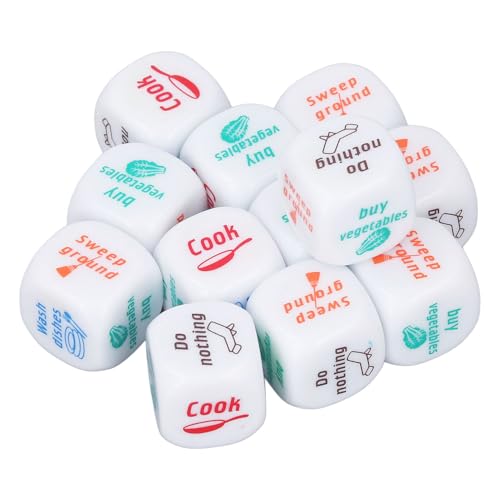
12pcs Housework Dice, Fun Decision Making Tool with Vibrant Colors, Acrylic Material, Ideal for Couples and Families to Share Chores
Fun Decision Making: It is a practical tool that helps you decisions in a relaxed environment. The fun…
As an affiliate, we earn on qualifying purchases.
As an affiliate, we earn on qualifying purchases.
Conclusion
Imagine your relationships as a sturdy, intertwined tree. When you’re too independent, it’s like trying to grow alone in a desert—your branches may stretch out, but they lack the support of nearby trees. True strength comes from roots that reach out and intertwine, sharing nutrients and stability. Embracing interdependence isn’t about losing yourself; it’s about growing taller and stronger together, like a thriving forest that stands resilient through any storm.

Life Skills For Young Adults Essentials: Learn The Art of Interdependence, Master Relational Money Strategies, And Create A Life Of Balance And Success
As an affiliate, we earn on qualifying purchases.
As an affiliate, we earn on qualifying purchases.
mutual reliance relationship coaching
As an affiliate, we earn on qualifying purchases.
As an affiliate, we earn on qualifying purchases.