

You keep attracting the same type of partner because unresolved childhood experiences shape your attachment style and influence your relationship choices. If you grew up with neglect, inconsistency, or emotional unavailability, you might unconsciously seek out similar dynamics, because they feel familiar and normal. These patterns often stem from beliefs about love that you developed early on. Understanding these roots can help you break free and build healthier connections—if you explore further, you’ll uncover how to change these repeating cycles.
Key Takeaways
- Unconscious attachment patterns from childhood often draw us to familiar relationship dynamics, even if they are unhealthy.
- Beliefs about love shaped by early experiences can cause us to settle for partners who mirror past damage.
- Repeating relationship cycles stem from unresolved childhood issues that reinforce familiar, but unhealthy, behaviors.
- Attracted to familiar emotional dynamics, we may unconsciously seek out partners who reflect childhood attachment styles.
- Awareness and healing of childhood influences enable breaking these patterns and attracting healthier, more aligned relationships.
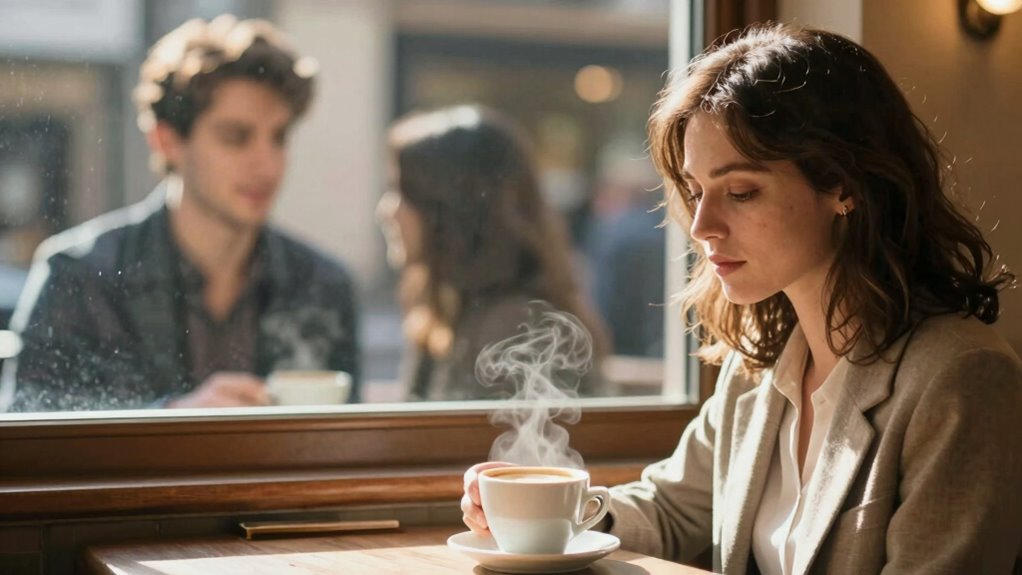
Have you ever noticed that you keep attracting the same type of partner, despite hoping for something different? This pattern isn’t just coincidence; it’s often rooted in your attachment patterns, shaped long ago by childhood influences. Your early relationships with caregivers set the stage for how you approach intimacy and connection as an adult. If you grew up feeling neglected, overly smothered, or inconsistent in your caregiving, you likely developed attachment styles that influence your romantic choices today.
Your childhood relationships shape your adult romantic patterns more than you realize.
For instance, if your childhood was marked by unpredictability or emotional unavailability from caregivers, you might have developed an anxious attachment style. You crave closeness but fear abandonment, so you might find yourself repeatedly drawn to partners who are also emotionally distant or unpredictable. Conversely, if your caregivers were overly controlling or dismissive, you might have developed an avoidant attachment style. This can cause you to unconsciously seek out partners who are emotionally unavailable or who push you away, reinforcing your desire to keep emotional distance. These attachment patterns operate below your awareness, guiding your choices without you realizing it.
Childhood influences don’t just shape your attachment style—they also color your perceptions of love and what you believe you deserve. If you experienced neglect or inconsistency, you might believe that love is scarce or conditional. This belief can lead you to settle for partners who mirror those childhood dynamics, even if deep down, you want something healthier. Additionally, understanding how early relationship patterns influence your attachment style can help you break free from repeating the same cycles. Recognizing the impact of childhood attachment can empower you to make more conscious relationship choices. Moreover, these patterns can be reinforced by unconscious attraction to familiar dynamics, making it harder to break free from unhealthy relationship cycles.
Furthermore, awareness of these familiar relationship patterns can help you shift your behaviors and perceptions over time. Alternatively, you might find yourself unconsciously attracted to partners who replicate familiar patterns, because they feel “normal” or familiar, even if they’re not good for you.
Understanding that these repeated patterns are rooted in childhood influences can be empowering. It means that your current relationship struggles aren’t simply due to bad luck but are connected to unresolved issues from your past. Recognizing your attachment style can give you clues about why you’re attracted to certain types of partners. For example, if you have an anxious attachment, you might seek reassurance constantly, which can attract partners who are emotionally unavailable and don’t meet your needs, creating a cycle of frustration.
Breaking free from these patterns requires awareness and effort. You can start by exploring your childhood influences and how they’ve shaped your attachment style. Therapy, self-reflection, and building healthy relationship habits can help you develop secure attachment behaviors. Over time, this can lead you to attract partners who are more aligned with your true desires rather than your childhood fears and insecurities.

How To Heal An Anxious Attachment Style: A Self Therapy Journal to Conquer Anxiety & Become Secure in Relationships
As an affiliate, we earn on qualifying purchases.
As an affiliate, we earn on qualifying purchases.
Frequently Asked Questions
Can Childhood Experiences Influence My Choice of Partners?
Yes, childhood experiences like trauma and your attachment style profoundly influence your choice of partners. If you experienced neglect or inconsistency, you might develop anxious or avoidant attachment styles, guiding your relationship patterns. These early experiences shape how you trust, communicate, and connect. Recognizing this can help you understand why you’re drawn to certain types of people and work toward healthier relationship patterns in the future.
How Does Self-Esteem Affect the Types of Partners I Attract?
Your self-esteem substantially influences the types of partners you attract through self-worth dynamics and confidence levels. When you have high confidence, you tend to attract healthier, more respectful partners because you value yourself and set boundaries. Conversely, low self-esteem can lead you to seek validation from incompatible partners who might overlook your worth. Improving your self-worth dynamics helps you attract relationships that reflect your true value and foster mutual respect.
Is It Possible to Change the Pattern of Partners I Attract?
Yes, you can change the pattern of partners you attract. By recognizing your attraction dynamics and understanding your pattern recognition, you become aware of what draws certain types of people. Once you identify these patterns, you can shift your behaviors and mindset to attract healthier relationships. It’s about consciously altering your approach, setting new boundaries, and embracing growth, which ultimately transforms the types of partners you find yourself drawn to.
Do My Friends’ Opinions Influence My Relationship Choices?
Yes, your friends’ opinions can influence your relationship choices. Peer influence and social pressure might make you lean toward partners they approve of, even if it doesn’t align with your true preferences. You may seek validation or fear judgment, which can sway your decisions. It’s important to recognize these influences and focus on what genuinely makes you happy, rather than trying to meet others’ expectations or conform to their opinions.
Can Cultural Background Impact the Type of Partners I Attract?
Yes, your cultural background can impact the type of partners you attract. Cultural norms shape your beliefs about relationships, influencing your preferences and expectations. These norms also affect relationship dynamics, guiding how you communicate and connect with potential partners. When your cultural background aligns with certain relationship patterns, you might unconsciously attract partners who fit those patterns. Being aware of these influences helps you make more intentional choices in your love life.

Couples Journal: 21 Ways to Grow Your Love, Relationship & Marriage, Therapy Workbook, 72 Date Night Activities, Improve Couple Communication & Adventure, Anniversary Engagement & Wedding Gifts
FOSTERS DEEP CONVERSATIONS – The 21 sections with their reflection questions and tailored adventures will create meaningful discussions…
As an affiliate, we earn on qualifying purchases.
As an affiliate, we earn on qualifying purchases.
Conclusion
If you keep attracting the same type of partner, it’s like trying to fill a bucket with a hole in it—you’re only going to keep losing what you want. To break the cycle, you need to fix the leak by understanding your patterns and what you truly deserve. Remember, you’re not a magnet for perfect partners, but for ones who teach you what you need to learn. Change your mindset, and watch your love life bloom like a garden after rain.

The Emotional Healing Workbook: Trauma Healing Journal for Women and Men. Master Emotional Maturity and Emotional Intelligence.
As an affiliate, we earn on qualifying purchases.
As an affiliate, we earn on qualifying purchases.

Reconciliation: Healing the Inner Child
As an affiliate, we earn on qualifying purchases.
As an affiliate, we earn on qualifying purchases.