Iconic quotes from history’s greatest speeches capture powerful moments that continue to inspire and motivate. Phrases like Martin Luther King Jr.’s “I have a dream,” Winston Churchill’s “We shall fight on the beaches,” and other memorable lines showcase masterful use of rhetorical devices and confident delivery. These quotes resonate deeply because of their emotional impact and strategic emphasis. If you explore further, you’ll discover how these speeches used language to transform nations and inspire change.
Key Takeaways
- Iconic quotes often feature vivid metaphors and rhetorical devices that emphasize core messages and evoke emotional responses.
- Great speeches use repetition and parallelism to make quotes memorable and impactful.
- Powerful quotes are delivered with tone and cadence that amplify their inspiring or urgent messages.
- Memorable quotes are strategically crafted to resonate across generations, shaping history and inspiring change.
- Famous quotes often encapsulate key themes like hope, resilience, and unity, making them timeless symbols of leadership.

Throughout history, some speeches have resonated so deeply that their words continue to inspire and shape minds long after they were spoken. When you examine these iconic moments, you notice the masterful use of rhetorical devices that elevate simple words into powerful messages. Effective speech delivery plays a vital role here; it’s not just what is said, but how it’s conveyed that makes these speeches unforgettable. As you listen or read, you realize that skilled speakers use techniques like repetition, parallelism, and metaphors to reinforce their messages and evoke emotional responses. These rhetorical devices serve as tools to engage the audience, making their words stick long after the speech ends.
Great speeches use rhetorical devices and delivery to inspire and leave lasting impressions.
Imagine standing in front of a crowd, knowing that your tone, pauses, and gestures can amplify your message. Speech delivery isn’t merely about reading from a script—it’s about embodying confidence, passion, and clarity. When you adopt a strong voice and deliberate pacing, you guarantee your words resonate. Take Martin Luther King Jr.’s “I Have a Dream” speech, for example. His cadence and passionate delivery, combined with vivid metaphors like “the mountain of despair,” stir hope and unity. It’s his mastery of speech delivery that transforms his words into a rallying cry, inspiring generations.
Likewise, leaders like Winston Churchill understood the power of rhetorical devices and speech delivery. His speeches during World War II, marked by sharp, evocative language and a commanding tone, galvanized a nation in peril. Churchill’s use of repetition, as in “We shall fight on the beaches,” emphasizes resilience and determination. His confident speech delivery created a sense of urgency and collective resolve, illustrating how tone and emphasis can turn words into a call to action.
When you analyze these speeches, you see that rhetorical devices aren’t just decorative—they’re strategic. They build rhythm, emphasize key points, and make speeches memorable. Pauses and variations in pitch allow speakers to highlight vital ideas, giving the audience space to reflect. The way a speech is delivered can transform a simple message into an inspiring anthem. Whether it’s a solemn tone, an urgent tone, or a hopeful tone, the speaker’s control over speech delivery amplifies the impact of rhetorical devices. Additionally, understanding the science behind effective speech delivery can help you craft more compelling messages that resonate deeply with your audience.
In the end, it’s clear that the most iconic speeches succeed because of a seamless blend of compelling content, strategic rhetorical devices, and confident speech delivery. These elements work together to create moments that transcend time, inspiring change and shaping history. When you understand and emulate these techniques, you can craft speeches that leave a lasting impression—powerful, memorable, and truly inspiring.

Wireless Microphone, Rechargeable Wireless Microphones with One-to-One Chip Connection and LED Lights, 40H Duration, 200FT Range Receiving, Less Latency Karaoke Microphone for Singing, Speech, Party
【Professional Vocal Clarity】Engineered with cardioid pickup pattern + DSP noise reduction, our ECHOMUSSY wireless microphones eliminate 90% background…
As an affiliate, we earn on qualifying purchases.
As an affiliate, we earn on qualifying purchases.
Frequently Asked Questions
How Do Speechwriters Craft Memorable Quotes?
You craft memorable quotes by using rhetorical devices like alliteration, repetition, and metaphors to make your message stand out. Focus on creating emotional impact by connecting with your audience’s feelings and values. Keep your language simple yet powerful, and aim for clarity and rhythm. These techniques help your words resonate deeply, making your speech memorable and inspiring, ensuring your message sticks with listeners long after you finish speaking.
What Makes a Quote Resonate Across Generations?
A quote resonates across generations like a ripple in a pond because it carries timeless wisdom and emotional resonance. You can craft it with simple yet powerful language that touches core human values, making it feel universal. When your words evoke genuine feelings and reflect shared struggles or hopes, they become a beacon of inspiration, standing the test of time and echoing through history’s corridors.
Are There Lesser-Known Speeches With Powerful Quotes?
Yes, there are lesser-known speeches with powerful quotes. You can discover these by exploring speeches rooted in specific historical contexts, like social justice or independence movements. Effective speechwriting techniques, such as emotional appeals and memorable phrasing, make these quotes impactful. These speeches may not be famous, but their messages resonate deeply, inspiring action and reflection across generations. Seek out these hidden gems to gain fresh perspectives and powerful insights.
How Do Cultural Differences Influence Quote Interpretation?
Did you know that over 70% of quote misinterpretations stem from cultural nuances? Cultural differences heavily influence how you interpret quotes, as language, context, and values shape understanding. These interpretation challenges can distort meaning, making a powerful message seem irrelevant or offensive elsewhere. To truly grasp a quote’s significance, you must consider cultural backgrounds, respecting nuances that can drastically change its impact and intent across diverse audiences.
Can Modern Speeches Become Iconic Like Historical Ones?
Yes, modern speeches can become iconic by effectively using rhetorical devices and emotional appeal. When you craft speeches that resonate deeply with your audience, you create memorable moments that transcend time. Engaging storytelling, powerful metaphors, and genuine emotion help your message stick. If you connect on a personal level and inspire action, your words have the potential to become as influential and unforgettable as those from history’s greatest speeches.
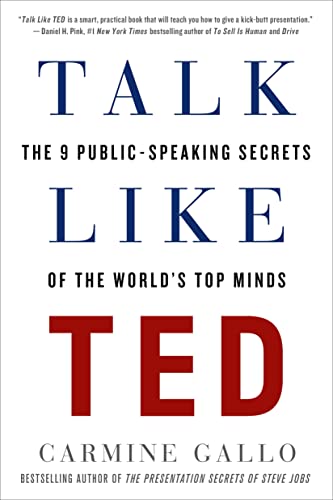
Talk Like TED
As an affiliate, we earn on qualifying purchases.
As an affiliate, we earn on qualifying purchases.
Conclusion
You’ve now glimpsed the power of words that shaped nations and inspired generations. Like sparks that ignite flames, these quotes continue to resonate, reminding you that a single speech can change the course of history. Embrace the wisdom and courage they hold, letting them inspire your own voice to make a difference. After all, history’s greatest speeches are like timeless melodies—forever echoing in the hearts of those willing to listen.
speech delivery coaching course
As an affiliate, we earn on qualifying purchases.
As an affiliate, we earn on qualifying purchases.
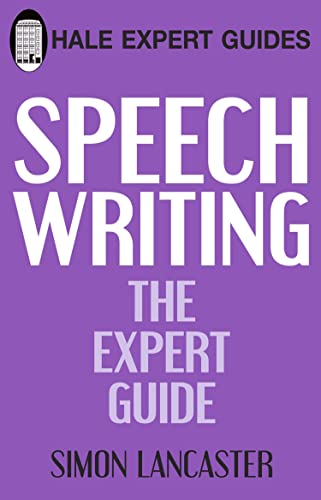
Speechwriting: The Expert Guide (Hale Expert Guides)
As an affiliate, we earn on qualifying purchases.
As an affiliate, we earn on qualifying purchases.