

Philosophers challenge you to explore life’s biggest questions by questioning purpose, morality, and existence itself. They suggest that living a good life involves continuous reflection, embracing uncertainty, and acting ethically. When faced with moral dilemmas or existential crises, they urge you to examine your beliefs and values deeply. These mind-bending insights push you to find meaning amid chaos, shaping authentic and purposeful living. Keep exploring these profound ideas to uncover deeper truths about your place in the universe.
Key Takeaways
- Philosophers challenge us to question the nature of happiness, purpose, and what it truly means to live a good life.
- Many emphasize embracing uncertainty and chaos as essential to personal authenticity and meaningful existence.
- Ethical dilemmas prompt reflection on moral principles, often leading to profound insights about human values and identity.
- The pursuit of life’s meaning involves continuous philosophical exploration of virtue, happiness, and individual purpose.
- Modern AI tools aid self-understanding and moral development, echoing philosophical quests for authenticity and self-awareness.

Have you ever wondered what it truly means to live a good life or what your purpose might be? Many philosophers have grappled with these questions, offering insights that challenge and inspire. When you face ethics dilemmas, you’re confronting the core of your moral compass—deciding what’s right when the answer isn’t clear-cut. These moments often lead to existential crises, where you question your very identity and the meaning behind your choices. Philosophers have long debated whether there’s an objective way to define a good life, or if it’s entirely subjective, shaped by personal values and circumstances. Some suggest that living ethically, with integrity and compassion, forms the foundation of a meaningful existence. Others argue that embracing the chaos of life, accepting uncertainty, and seeking personal authenticity are what truly matter.
Think about Socrates’ famous assertion that “the unexamined life is not worth living.” He encourages you to constantly question your beliefs, values, and motives. Facing ethics dilemmas becomes an opportunity for self-reflection, forcing you to weigh your actions against your principles. But what happens when your principles clash? That’s when existential crises often emerge—a moment when you feel lost, questioning everything you thought was true. It’s a pivotal point that can either lead to despair or a deeper understanding of yourself. Philosophers like Nietzsche suggest that such crises are essential for growth, pushing you to redefine your values and goals. They see these moments as opportunities to forge a more authentic life, even amid chaos and uncertainty. Additionally, advances in AI, such as Intelligent Tutoring Systems, are transforming education by providing personalized learning experiences that adapt to individual needs, fostering self-awareness and growth.
Throughout history, thinkers have emphasized that resolving ethics dilemmas isn’t always straightforward. Sometimes, doing the “right” thing involves difficult sacrifices, and these choices can leave you questioning whether morality itself is absolute or relative. When faced with these dilemmas, you might find yourself contemplating what truly matters—happiness, virtue, or something else entirely. These reflections often bring you face-to-face with existential crises, where you wonder if life has inherent meaning or if it’s something you create for yourself. That’s the essence of many philosophical teachings: embracing the ambiguity and forging your path despite uncertainties. Whether you find solace in moral codes, personal authenticity, or the pursuit of happiness, the journey through these philosophical questions is deeply personal. It’s about understanding that life’s big questions aren’t always meant to be answered definitively but explored continuously, shaping who you are along the way.

RRGFB Portable Infrared Sauna Blanket, Detox & Relaxation at Home, Adjustable Timer 20-60 Min, Temperature Range 86-158℉, 6 ft x 2.6 ft, Oxford Fabric
Relaxation at Home: Transform your home into a relaxing spa with our sauna blanket. Just 30 minutes of...
As an affiliate, we earn on qualifying purchases.
Frequently Asked Questions
How Do These Quotes Influence Modern Philosophical Debates?
These quotes shape modern philosophical debates by challenging your perspectives on ethics and identity questions. They inspire you to question societal norms and explore deeper truths. When you consider these ideas, you’re prompted to think critically about moral dilemmas and personal identity, influencing your approach to ethics debates. Their timeless insights encourage you to reflect on your beliefs, fostering ongoing discussions about the nature of existence and moral responsibility.
What Are the Origins of These Famous Quotes?
You discover that these famous quotes originate from a rich historical context where philosophers debated core beliefs about existence, ethics, and knowledge. Their words often reflect linguistic evolution, capturing the language and ideas of their time. You see how historical events, cultural shifts, and linguistic changes shape these quotes, giving them lasting power. Understanding their origins helps you appreciate how philosophical thought has evolved and influenced modern perspectives.
Can These Quotes Be Applied Universally Across Cultures?
Did you know that over 70% of people believe philosophical quotes can inspire across cultures? While these quotes often carry universal themes, cultural differences and interpretative challenges can limit their applicability. You might find that a quote resonates deeply in one culture but feels disconnected in another. So, you should consider these cultural nuances carefully before applying philosophical ideas universally, ensuring they truly connect and inspire across diverse backgrounds.
How Have These Quotes Evolved Over Time?
You see that these quotes have evolved through historical context and interpretive shifts, reflecting changing societal values and philosophical understandings. Over time, they’re reinterpreted to fit new perspectives, making them more relevant or complex. As you explore their development, you notice how each era’s unique challenges and ideas shape the way these timeless insights are understood, allowing them to stay meaningful across generations and cultures.
Are There Controversial Interpretations of These Philosophers’ Words?
You might find these quotes spark heated debates, as controversial interpretations often emerge from cultural misinterpretations and ethical controversies. Some view a philosopher’s words as timeless truths, while others see them twisted to justify harmful actions or outdated beliefs. This clash fuels ongoing discussions, revealing how powerful ideas can be misused or misunderstood, making their impact as vast and unpredictable as a storm that reshapes entire intellectual landscapes.
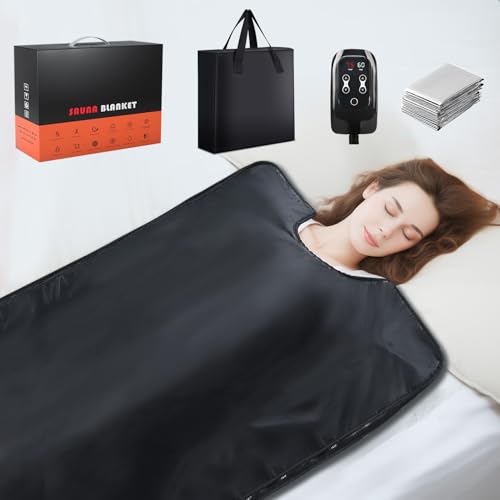
RRGFB Infrared Sauna Blanket for Home, Low EMF Carbon Crystal Heating, Portable Dry Sauna Bag for Relaxation, Detoxification, 5.9ft×2.6ft
【Infrared Sauna Blanket】The heat from our infrared sauna blanket penetrates deep into your body’s tissues, helping to boost...
As an affiliate, we earn on qualifying purchases.
Conclusion
So, here you are, pondering life’s biggest questions, only to realize that even the greatest philosophers never truly have all the answers. Maybe the point isn’t to find certainty but to embrace the mystery — after all, isn’t it ironic how we spend so much time searching for meaning, yet the answers often slip through our fingers? Perhaps life’s biggest lesson is simply accepting that some questions are meant to remain unanswered.

Infrared Sauna Blanket - Portable Sauna Blanket for Home Weight Loss and Detox, Personal Far Infrared Dry Therapy Bag for One Person Relaxation with Adjustable Temp 95-176°F. 120V 400 Watts 70" x 31"
AMERICAN WELLNESS AUTHORITY SAUNA: Experience unparalleled comfort with our professional-grade at-home infrared sauna blanket. The durable, woven Oxford...
As an affiliate, we earn on qualifying purchases.

Lifepro RejuvaWrap Infrared Sauna Blanket for Detox & Relaxation – Low EMF Carbon Fiber Heating, 9 Temp Levels, 5 Colors – Portable Sauna Blanket Infrared with Waterproof Interior & Carry Bag
DEEP INFRARED HEAT THERAPY: Experience full-body warmth with far infrared carbon fiber heating that penetrates deeply for relaxation,...
As an affiliate, we earn on qualifying purchases.