

Zone 2 cardio involves maintaining your heart rate at 60-70% of your maximum, which helps you build endurance and burn fat efficiently. It’s sustainable, feels moderate, and improves your overall aerobic capacity, making it ideal for longer workouts. Using wearables helps keep you in the right zone, ensuring safe, effective training. If you stay consistent and avoid common mistakes, you’ll notice better stamina and health—discover more tips to make the most of this powerful method.
Key Takeaways
- Zone 2 cardio uses 60-70% of max heart rate, optimizing aerobic capacity and fat-burning for endurance.
- It enhances oxygen efficiency, allowing longer workouts without fatigue and improving overall stamina.
- Consistent Zone 2 training increases fat oxidation, supporting sustained energy use and metabolic health.
- Monitoring heart rate ensures training stays within Zone 2, maximizing endurance benefits safely.
- Regular Zone 2 sessions build a strong aerobic foundation essential for performance and long-term endurance.

Sportsroyals Home Gym Equipment, 150LBS Weight Stack, Full Body Workout Machine with Pulley System for Strength Training (Ink Black)
【Multiple Training Stations】 Combines 6 essential workout machines in one compact system, plus dedicated chest fly and leg...
As an affiliate, we earn on qualifying purchases.
What Is Zone 2 Cardio and Why Does It Matter?

Curious about what makes Zone 2 cardio so essential? It all comes down to understanding your heart rate zones, especially Zone 2, which sits at about 60-70% of your maximum heart rate. When you exercise in this zone, you’re engaging your aerobic capacity—your body’s ability to use oxygen efficiently. This level of effort feels sustainable, allowing you to work longer without fatigue. Zone 2 improves your endurance, boosts fat-burning, and strengthens your heart. It’s the foundation for many fitness goals, especially if you’re looking to increase stamina or recover faster. By consistently training within this zone, you activate your body’s ability to sustain activity over time, making it a crucial part of any effective endurance training plan. Additionally, maintaining proper heart rate zones ensures that you maximize the benefits of your workouts while minimizing the risk of overtraining.

TRX All-In-One Home Gym System – Complete Suspension Training Kit for Strength Training, HIIT & Full-Body Workouts at Home or Outdoors, Includes Indoor & Outdoor Anchors
HOME GYM EQUIPMENT: TRX’s All-in-One Suspension Trainer System has revolutionized personal fitness. It’s designed for full-body training workouts...
As an affiliate, we earn on qualifying purchases.
How Do You Find Your Heart Rate Zone for Zone 2?

To find your Zone 2 heart rate, you can use simple formulas based on your age or fitness level. Alternatively, wearables like heart rate monitors or fitness trackers can help you monitor your intensity in real time. Both methods make it easy to stay within your ideal Zone 2 range during your workout. Knowing your heart rate zones can also help you tailor your training for optimal endurance development. Additionally, understanding how to accurately measure and interpret your training intensity ensures you benefit fully from Zone 2 cardio sessions. Incorporating necessary cookies for site functionality can further enhance your ability to train effectively and safely, especially when utilizing natural fitness tracking tools.
Using Heart Rate Formulas
Finding your heart rate zone for Zone 2 cardio starts with calculating your maximum heart rate, which is roughly 220 minus your age. Once you have that number, you can determine your target heart rate range for Zone 2 by applying specific formulas. A common method is to take 50-70% of your maximum heart rate, aligning with moderate workout intensity. For example, if your max is 180 bpm, your Zone 2 range is about 90 to 126 bpm. Using heart rate formulas helps you stay within the most suitable zone, ensuring effective endurance training without overexertion. These calculations are simple but essential for tailoring your workouts and making sure you’re exercising at the right intensity for endurance gains. Incorporating wearable outdoor technology like heart rate monitors can also enhance your ability to maintain the correct zone during activities.
Monitoring With Wearables
Using wearables to monitor your heart rate makes staying within your Zone 2 range straightforward. Fitness wearables like heart rate monitors provide real-time data, so you can easily track your effort without guesswork. Simply wear a chest strap or wrist device during your workout, and it will display your current heart rate. Many devices sync with apps that show your heart rate zones, so you know if you’re in Zone 2 or need to adjust your pace. This instant feedback helps you maintain the ideal intensity for endurance building without overexerting yourself. Energy-efficient cloud solutions and consistent use, you’ll become more aware of how your body responds during exercise, making it easier to stay in the suitable heart rate zone for Zone 2 cardio. Additionally, understanding industry trends in wearable technology can help you select the most accurate and user-friendly devices for your training, especially as innovations continue to evolve in the high-end fashion industry. Regular tracking and analysis of your data can also lead to better skin health awareness, as consistent and moderate effort supports overall well-being.

Mikolo Home Gym, Workout Station with 150LBS Weight Stack, Multifunctional Home Gym Equipment with Pulley System for Full Body Strength Training
[All-in-one] Get PEC fly/lat pulldown/low row/chest press/leg extension/leg press/preacher curl/core trainer/calf training/seated row/mid row machine once with only...
As an affiliate, we earn on qualifying purchases.
How Zone 2 Cardio Boosts Endurance and Burns Fat

Zone 2 cardio, performed at a moderate intensity, effectively enhances your endurance by training your body to use fat as its primary fuel source. This activates specific metabolic pathways, improving your ability to sustain activity over longer periods. As you consistently train in Zone 2, your aerobic capacity increases, allowing your body to deliver oxygen more efficiently to muscles. Proper sizing and load‑planning tools can help optimize your training intensity to stay within Zone 2 efficiently. These tools ensure you maintain the correct training zone for optimal results. Understanding your heart rate zones through reliable measurements can further refine your training approach. Benefits include:
- Increased fat oxidation, leading to greater fat loss
- Improved efficiency of metabolic pathways for energy use
- Enhanced aerobic capacity for sustained effort
- Longer endurance sessions without fatigue
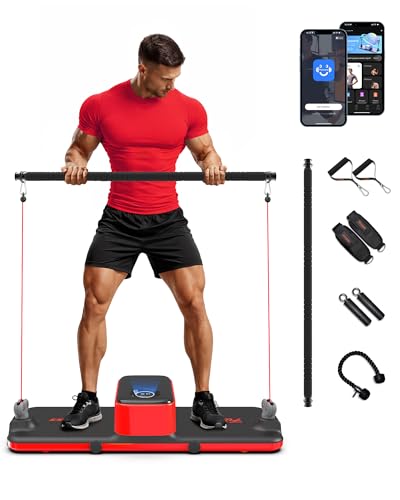
Smart Portable Home Gym Workout Strength Training Cable Machine, All in one Gym,Functional Full Body Fitness Equipment, 220LBS Resistance,Compact for Small Space, Travel & Home Exercise Red Black
【All-in-One Home Gym System】This all in one gym replaces bulky gym equipment like dumbbells, barbells, racks, and weight...
As an affiliate, we earn on qualifying purchases.
What Are the Best Exercises for Zone 2 Cardio?

You have several great options for Zone 2 cardio, like walking or jogging, which are easy to do anywhere. Cycling and spinning classes offer a low-impact way to maintain your heart rate in the target zone. Swimming and water exercises are also excellent choices, providing resistance and reducing joint strain.
Walking and Jogging Options
Walking and jogging are excellent ways to achieve and maintain Zone 2 cardio intensity. They’re accessible, sustainable, and adaptable to your fitness level. To keep your heart in the ideal Zone 2 range, focus on steady, moderate efforts. Incorporate interval training by alternating brisk walking or light jogging with slower recovery periods. This boosts endurance without overexertion. Additionally, resistance exercises like bodyweight squats or lunges can complement your cardio routine, helping build muscle and improve overall stamina. Engaging in metabolic health through consistent activity supports long-term vitality. Here are some effective options:
- Consistent brisk walking on flat terrain
- Light jogging with controlled pace
- Interval sessions alternating pace and recovery
- Combining walking with resistance exercises for variety
Maintaining proper heart rate zones ensures you maximize the benefits of Zone 2 cardio while minimizing fatigue. Regularly monitoring your exercise intensity can help you stay within the optimal range and prevent overtraining. These approaches help you stay in Zone 2 while enhancing endurance and cardiovascular health.
Cycling and Spinning Benefits
Cycling and spinning are highly effective ways to maintain steady, moderate exercise intensity, making them ideal for Zone 2 cardio. Both activities boost your cardiovascular health while being low-impact, reducing joint stress. Cycling benefits include improved leg strength, enhanced endurance, and increased calorie burn. Spinning advantages lie in controlled intensity, motivating group settings, and quick adjustments to resistance levels. Whether outdoors or on a stationary bike, these exercises keep your heart rate in the *best* Zone 2 range. To visualize, here’s a quick comparison:
| Exercise Type | Benefits | Ideal For |
|---|---|---|
| Cycling | Endurance, strength, low-impact | Long rides, outdoor adventures |
| Spinning | Motivation, intensity control | Group classes, indoor workouts |
| Both | Heart health, calorie burn | Consistent cardio sessions |
| Variability | Keeps workouts fresh | Sustained engagement |
Utilizing tracking tools can help you stay within the optimal Zone 2 heart rate zone during these activities. Additionally, understanding exercise intensity can further enhance your training effectiveness.
Swimming and Water Exercises
Swimming and water exercises offer an excellent, low-impact way to maintain steady, moderate intensity suitable for Zone 2 cardio. By leveraging water resistance, you can engage your muscles without stressing your joints, making it ideal for endurance training. To maximize aquatic strength and keep your heart rate in Zone 2, focus on consistent, rhythmic movements. Some of the best exercises include:
- Steady swimming laps at a moderate pace
- Water jogging or running in place
- Aqua cycling or using a water bike
- Water-based resistance routines with paddles or resistance bands
These activities promote sustained effort while boosting aquatic strength. Incorporating them into your routine helps improve cardiovascular health, endurance, and muscle tone—all within the ideal Zone 2 intensity level.
How to Incorporate Zone 2 Into Your Weekly Workout Routine

To effectively incorporate Zone 2 cardio into your weekly routine, you should aim to schedule dedicated sessions that prioritize sustained, moderate-intensity activity. Focus on adjusting your training intensity to stay within the Zone 2 heart rate range, ensuring you’re exercising at a level where conversation is possible but you’re still working hard. Consistency is key, so plan for at least two to three sessions per week, each lasting 30 to 60 minutes. Use workout scheduling to spread out your Zone 2 workouts evenly, avoiding long gaps that could hinder endurance gains. Incorporate activities you enjoy, like brisk walking, cycling, or rowing, to make your routine sustainable. Properly planned, these sessions build aerobic capacity and improve overall stamina over time. Additionally, understanding the benefits of aerobic capacity can motivate you to maintain these sessions consistently. Incorporating heart rate monitoring can help you stay within the desired intensity zone and ensure you are effectively enhancing your endurance.
Common Mistakes to Avoid During Zone 2 Sessions

One common mistake during Zone 2 sessions is misjudging your effort level, which can cause you to drift into higher or lower intensity zones. To stay in the right zone, monitor your perceived effort and adjust accordingly. Poor effort management can lead to fatigue or insufficient training benefits. Additionally, neglecting proper nutrition before your workout can impair performance and recovery. Using the right workout gear, such as a heart rate monitor, helps you stay accurate. Be cautious of these pitfalls:
- Relying solely on perceived exertion without tracking data
- Ignoring nutrition that supports sustained effort
- Wearing inappropriate or uncomfortable workout gear
- Pushing too hard or too easy without adjustments
Connected fitness technology can help you more precisely track and manage your effort levels during workouts. Incorporating biometric data provides a comprehensive view of your training intensity, ensuring you stay within your Zone 2 range. Proper effort management is essential for avoiding training plateaus and achieving steady endurance gains. Avoid these mistakes to maximize your Zone 2 sessions and improve endurance effectively.
How Long and How Often Should You Do Zone 2 Workouts?

Maintaining the right duration and frequency for your Zone 2 workouts guarantees you build endurance without risking overtraining. Typically, aim for 45 to 90 minutes per session, depending on your fitness level and goals. Most experts recommend doing Zone 2 cardio 3 to 5 times a week to ensure consistent progress. Focus on maintaining the proper training intensity—staying in that moderate zone—so your effort stays sustainable. Incorporating workout variety can help prevent plateaus and keep you motivated; alternate between different activities like cycling, walking, or swimming. Remember, consistency is key, but listening to your body is vital. Balancing workout duration, frequency, and variety ensures you build endurance safely and effectively over time.
Is Zone 2 Cardio Suitable for Everyone? Considerations and Precautions

While Zone 2 cardio offers many benefits, it’s not necessarily suitable for everyone without some considerations. Age considerations are important—older adults may need to start slowly and consult a healthcare provider. Medical contraindications, such as heart conditions or joint issues, could make high-frequency or intense Zone 2 sessions risky. You should also be aware of:
- Existing health conditions
- Fitness level and experience
- Any recent injuries or surgeries
- Medications that influence heart rate or endurance
If you have concerns or health issues, it’s wise to get medical advice before beginning Zone 2 training. Tailoring your approach ensures safety and effectiveness, helping you enjoy its endurance benefits without unnecessary risks.
Frequently Asked Questions
Can Beginners Safely Start Zone 2 Cardio Without Prior Fitness Experience?
Yes, beginners can safely start zone 2 cardio without prior fitness experience. Focus on building a solid fitness foundation by starting slowly and listening to your body. Keep your intensity at a comfortable level where you can talk without gasping. Gradually increase duration and frequency as your endurance improves. This approach prioritizes beginner safety, helps prevent injury, and sets the stage for long-term fitness success.
How Does Zone 2 Training Compare to Other Cardio Intensity Levels?
Imagine unsealing a secret that transforms your fitness—zone 2 training offers just that. Compared to higher-intensity cardio, it’s lower in training intensity, making it easier to sustain longer, build endurance, and burn fat efficiently. While cardio comparison shows it’s less taxing on your body, it still delivers impressive results over time. If you want steady progress without burnout, zone 2 is the smart choice to level up your workouts.
What Are Signs of Overtraining During Zone 2 Workouts?
You might notice signs of fatigue, like persistent muscle soreness or feeling unusually tired after your Zone 2 workouts. If you’re experiencing decreased performance, difficulty completing your usual sessions, or irritability, it could be overtraining. Prioritize rest and recovery when these signs appear—taking extra days off or reducing intensity helps prevent burnout. Listening to your body guarantees you gain endurance benefits without risking overtraining.
Is Specialized Equipment Necessary for Zone 2 Cardio Sessions?
Think of your heart rate monitor as a compass guiding your journey, not a spaceship requiring special gear. You don’t need fancy gym equipment for Zone 2 cardio; a simple heart rate monitor or even a smartphone can do. Staying within your target heart rate zone is what matters most. So, suit up with basic tools, and focus on your pace—no specialized equipment necessary to build endurance effectively.
How Long Does It Take to See Endurance Improvements With Zone 2?
You’ll typically see endurance improvements in about 4 to 6 weeks of consistent Zone 2 training. Your endurance timeline depends on regular training adaptations, meaning your body gradually becomes more efficient at using fat for fuel and increasing mitochondrial density. Stay consistent, train at the right intensity, and you’ll notice steady gains over this period. Remember, patience and persistence are key to *unleashing* long-term endurance benefits.
Conclusion
Incorporating Zone 2 cardio into your routine is a game-changer, revealing endurance levels you never thought possible. It’s like fueling a fire that keeps burning brighter with every session. Stick to the right heart rate, stay consistent, and watch your stamina soar to new heights. Don’t overlook this secret weapon—your fitness journey will never be the same. Embrace Zone 2, and prepare to conquer challenges that once seemed insurmountable.