

📊 Full opportunity report: Single Digits: The April That Closed the Open-Weight Gap on ThorstenMeyerAI.com — validation score, market gap, and execution plan.
TL;DR
Multiple open-weight AI models released in April 2026 have reduced the performance gap with proprietary models to under 10 points on key benchmarks. This shift impacts enterprise AI costs, model selection, and regulatory considerations.
In April 2026, the performance gap between open-weight AI models and proprietary closed models has shrunk to single digits across key benchmarks, marking a pivotal shift in enterprise AI economics and strategy.
Over the past month, six labs released significant open-weight models, including DeepSeek V4-Pro, Alibaba’s Qwen 3.6-35B-A3B, Meta’s Llama 4, Google’s Gemma 4, Mistral’s Small 4, and Zhipu AI’s GLM-5.1. Benchmark evaluations show that the performance difference on tasks such as reasoning, code, and multimodal processing has decreased to 2-5 points, a dramatic narrowing from previous gaps of 20-30 points. This convergence means open models now rival closed models on many enterprise-relevant tasks, at a fraction of the cost. The shift is driven by scalable distillation techniques, access to open weights, and engineering discipline, making open models increasingly viable for enterprise deployment.Industry experts note that the traditional premium for proprietary models, often justified by performance and exclusivity, is now diminishing. The cost-benefit analysis favors open weights, especially as inference costs drop sharply with optimized hardware like NVIDIA’s H200 nodes. Meanwhile, the licensing landscape is evolving, with open, unrestricted licenses gaining prominence, further eroding the proprietary advantage. These developments are prompting a reassessment of AI procurement, model strategy, and regulatory approaches.
Impact on Enterprise AI Economics and Strategy
The narrowing of the performance gap to single digits fundamentally alters the enterprise AI landscape. Companies can now deploy open-weight models that match proprietary models on critical tasks at a significantly lower cost, disrupting existing API-based business models. This shift encourages diversification of model portfolios, emphasizes the importance of data and workflows over proprietary weights, and raises questions about future regulatory restrictions on open training. In essence, the traditional moat based on model exclusivity is eroding, prompting a strategic reevaluation across industries.
As an affiliate, we earn on qualifying purchases.
April 2026 Open-Weight Model Releases and Benchmark Results
Throughout April 2026, leading AI labs released major open-weight models, including DeepSeek V4-Pro, Alibaba’s Qwen 3.6-35B-A3B, Meta’s Llama 4, Google’s Gemma 4, Mistral’s Small 4, and Zhipu AI’s GLM-5. These releases followed a pattern of rapid innovation and benchmarking that demonstrated the closing of the performance gap. Previously, proprietary models like GPT-4 or Claude 5 held a significant lead, justifying high API costs. Now, open models are achieving near-parity on tasks such as reasoning, code generation, and multimodal understanding, with benchmark differences shrinking to single digits. This momentum reflects advances in distillation, open training, and hardware optimization, fundamentally shifting the competitive landscape.
“The moat is not the weights. The moat is whatever you refuse to show.”
— Thorsten Meyer, DeepSeek AI Lead
As an affiliate, we earn on qualifying purchases.
Remaining Questions About Open-Weight Model Adoption
It is still unclear how quickly enterprises will fully transition to open-weight models given existing licensing restrictions, infrastructure requirements, and regulatory considerations. The long-term performance sustainability and robustness of open models compared to proprietary ones also remain under observation. Additionally, the impact of upcoming regulatory proposals on open training and inference is uncertain and could influence adoption rates.
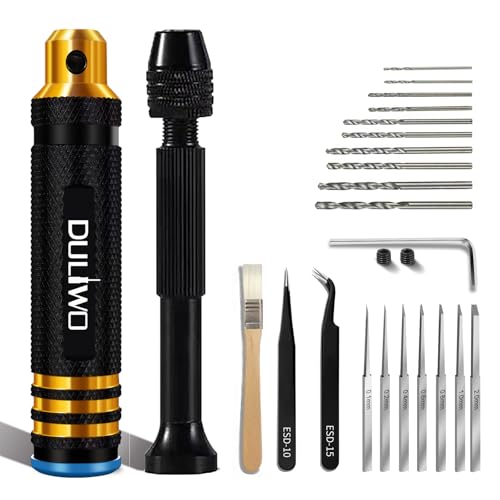
DULIWO Model Scriber Tool Kit, 7-Blade Chisel Set for Gunpla
- Complete Model Kit Tools: Includes scribe, drill, tweezers, and brush
- High-Quality Blades: Tungsten steel, wear-resistant, sharp, durable
- Ergonomic Handle: Lightweight, non-slip aluminum alloy handle
As an affiliate, we earn on qualifying purchases.
As an affiliate, we earn on qualifying purchases.
Next Steps for Industry Adoption and Regulation
Expect further model releases from both open and closed labs over the next two quarters, with closed models attempting to re-establish performance lead through larger scale and platform integration. Enterprises are advised to pilot open-weight models in production environments, especially for tasks where cost efficiency is critical. Regulatory bodies may also begin to scrutinize open training practices, potentially introducing new restrictions or standards. Monitoring these developments will be key for strategic planning.
As an affiliate, we earn on qualifying purchases.
Key Questions
How significant is the performance gap now between open and closed models?
The gap has narrowed to single digits across key benchmarks, with differences of about 2-5 points, making open models competitive for many enterprise tasks.
Will open-weight models replace proprietary APIs entirely?
While open models are now a viable alternative for many applications, some high-stakes or specialized tasks may still favor proprietary models until further performance improvements are achieved.
What are the main advantages of open-weight models now?
Cost savings, greater control over licensing and deployment, and the ability to customize and fine-tune models without API restrictions.
Are there regulatory risks for open-weight AI models?
Yes, regulators may introduce restrictions on open training and inference, which could impact the availability and deployment of open-weight models in certain jurisdictions.
Source: ThorstenMeyerAI.com