You should consider moving on when emotional boundary violations become constant, leaving you feeling drained, anxious, or numb. Trust issues, like repeated lies or dismissing your concerns, also signal trouble. These patterns harm your self-esteem and erode your sense of safety. If unresolved issues diminish your happiness and keep repeating, it’s time to prioritize your emotional health. Continuing to look deeper will help you recognize more signs and make empowered decisions.
Key Takeaways
- Repeatedly disregard your feelings or boundaries, leading to emotional drain and invalidation.
- Trust is broken through ongoing dishonesty, preventing a sense of safety and security.
- Persistent emotional exhaustion indicates unresolved issues damaging your well-being.
- Efforts to repair trust are met with resistance, deepening suspicion and resentment.
- Staying in the relationship hampers personal growth and self-respect, signaling it’s time to move on.

Deciding when to move on can be one of the most challenging choices you face, especially when you’re emotionally invested. You might find yourself caught between hope and reality, unsure whether the relationship’s issues are fixable or signs that it’s time to let go. One of the clearest indicators is how your emotional boundaries are being respected. When you’re with someone who dismisses your feelings, invalidates your concerns, or consistently crosses your personal limits, it’s a sign that the relationship may be unhealthy. Emotional boundaries are fundamental for your well-being, and if they’re repeatedly ignored, it chip away at your sense of self. You might feel drained, anxious, or numb, which signals that your emotional health is at risk. Recognizing these breaches early helps you determine whether the relationship can be salvaged or if it’s time to move on.
Trust issues are another essential sign that it’s time to reconsider your relationship. Trust forms the foundation of any healthy partnership, and when it’s broken repeatedly, it becomes difficult to feel safe or secure. If your partner consistently lies, hides things, or dismisses your concerns about fidelity or honesty, you might find yourself questioning their motives and your own judgment. Trust issues don’t resolve on their own; they often deepen with time, creating a cycle of suspicion, resentment, and emotional distance. When efforts to rebuild trust fail or are met with defensiveness and resistance, it’s a clear signal that the relationship may be beyond repair. You deserve a partnership rooted in honesty and mutual respect, not one where doubt and insecurity dominate your life.
Deciding whether to move on isn’t solely about these signs but also involves listening to your gut. If you notice a pattern of emotional boundary violations and trust issues that aren’t improving despite efforts to communicate and heal, it’s time to to consider your well-being. Staying in a relationship that consistently drains you emotionally or leaves you questioning your worth can hinder your growth and happiness. Remember, recognizing these warning signs isn’t about assigning blame but about protecting yourself from ongoing harm. Moving on might be difficult, but staying in an unhealthy relationship often causes more pain in the long run. Your emotional health and self-respect should always come first, and knowing when to leave is a critical step toward finding healthier, more fulfilling connections.

Goplus Rolling Tool Chest, 5-Drawer Tool Box Organizer w/Lockable Wheels & Sliding Drawers & Detachable Top & Adjustable Shelf, Tool Storage Cabinet for Garage Workshop (Red+Black)
【Tool Chest with Detachable Tool Box】Overall Dimension: 23.5” x 11” x 40” (L x W x H) The...
As an affiliate, we earn on qualifying purchases.
Frequently Asked Questions
How Can I Tell if My Partner Is Truly Toxic?
You can tell if your partner is truly toxic by noticing red flags like constant emotional manipulation, gaslighting, or making you feel guilty frequently. If they dismiss your feelings, control your actions, or undermine your confidence, those are signs of toxicity. Trust your instincts—if the relationship drains you emotionally and leaves you feeling insecure or anxious, it’s time to contemplate moving on for your well-being.
Is It Ever Okay to Stay Out of Obligation?
It’s generally not okay to stay out of obligation, especially if it compromises your well-being. Moral obligation and societal expectations shouldn’t force you to remain in an unhealthy relationship. You owe it to yourself to prioritize your needs and happiness. Staying solely out of duty can lead to resentment and emotional exhaustion. Trust your instincts, and remember that healthy boundaries and self-respect are more important than societal pressures.
How Do I Rebuild Confidence After Leaving an Unhealthy Relationship?
You might think leaving an unhealthy relationship would shatter your confidence, but surprisingly, it’s the first step to rebuilding it. Practice self-care strategies like journaling, exercise, or hobbies to regain your strength. Don’t hesitate to seek therapy—it’s not a sign of weakness but a powerful tool to heal and understand yourself better. With time and effort, you’ll find yourself feeling more confident and resilient than ever before.
What Should I Do if I Fear Retaliation After Ending Things?
If you fear retaliation after ending things, prioritize safety planning by securing a safe place to stay and keeping important contacts handy. Seek support from trusted friends, family, or professionals who can provide reassurance and guidance. Document any concerning behavior and consider reaching out to local resources or hotlines for advice. Remember, your safety is the top priority, and help is available to support you through this challenging time.
How Can I Support a Friend Considering Leaving an Unhealthy Relationship?
You can support your friend by respecting their emotional boundaries and offering a safe space. While they navigate their feelings, practice active listening—give them your full attention without judgment. Encourage them to trust their instincts and remind them they’re not alone. Be patient, gentle, and consistent; sometimes, just knowing you’re there can be the strongest support during such a difficult time.

GangMei Garage Storage Cabinet with Wheels and 2 Drawers, 71" H Locking Metal Storage Cabinet with Pegboard Doors and 2 Adjustable Shelves for Garage, Warehouse, Home, Black, Assembly Required
Utility Pegboard & Adjustable Shelves: Redesign your organizing ways, hang up everything on the door and the side,...
As an affiliate, we earn on qualifying purchases.
Conclusion
Just like a garden that’s been overrun by weeds, an unhealthy relationship can choke your growth. If you’ve tried to nurture it but see no blooms or new shoots, it’s time to clear the patch. Moving on is like planting fresh seeds—allowing space for new, healthy connections to take root. Trust your instincts; sometimes, the hardest decision is the one that makes room for your true happiness to blossom.

INTERGREAT Metal Storage Cabinet with Wheels, 73" H Rolling Metal Cabinets with Doors and Shelves, Black Steel Lockable Cabinet on Wheels for Garage Storage
Spacious & Adjustable 5-Tier Storage Cabinet:73" Tall Metal Storage Cabinet with 5 spacious tiers and 4 adjustable shelves,...
As an affiliate, we earn on qualifying purchases.
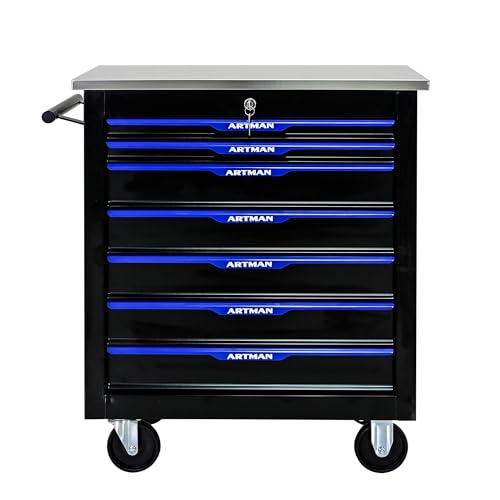
RYH 4/5/6/7 Drawers Rolling Tool Chest & Tool Box on Wheels | Heavy Duty Metal Cart with Ball Bearing Drawers | Fits US General Tool Box for Garage Storage (Black-4) (7-Drawer)
🔒 4/5/6/7-DRAWERS LOCKING TOOL ORGANIZER - Secure your craftsman tools, sockets, and wrenches in this metal tool box...
As an affiliate, we earn on qualifying purchases.