To make rowing safer for beginners, focus on the recovery rule of moving smoothly and deliberately after each stroke. Keep your movements controlled, with a relaxed posture, engaging your core and extending your arms before hinging at the hips. Avoid rushing, which can cause strain and disrupt your rhythm. Proper recovery helps prevent injuries and improves efficiency. Mastering these basics sets a strong foundation for safe, effective rowing — discover more tips to refine your technique and stay injury-free.
Key Takeaways
- Focus on controlled, deliberate movements during recovery to prevent strain and injury.
- Keep the back straight and core engaged to maintain proper posture.
- Extend arms smoothly and hinge at hips before leaning back slightly.
- Avoid rushing to ensure muscles reset and maintain consistent rowing rhythm.
- Prioritize relaxed, fluid motions to enhance safety and overall rowing efficiency.

Are you new to rowing and wondering how to stay safe on the water? It’s natural to feel a bit overwhelmed at first, but mastering a simple recovery rule can make a huge difference. The key is focusing on your rowing technique, especially during the recovery phase. When you understand and control this part of the stroke, you not only improve your efficiency but also considerably reduce the risk of injury. Proper recovery helps you maintain balance, avoid unnecessary strain, and keep the boat moving smoothly.
The recovery phase is the part of the stroke where you return to the starting position after pulling the oar through the water. Instead of rushing or rushing back, you should think of it as a controlled, deliberate movement. This is where the recovery rule comes into play: always recover with a relaxed, balanced posture, and avoid rushing the movement. When you take your time during recovery, you allow your muscles to reset, your breathing to stay steady, and your body to stay aligned. This not only enhances your rowing technique but also prevents overexertion and injury, especially for beginners still developing their coordination. Additionally, maintaining proper timing and rhythm ensures smoother transitions and reduces fatigue. Developing a consistent rowing rhythm early on can significantly improve your overall performance and safety.
As you row, keep your core engaged and your back straight, avoiding hunching or twisting excessively. During recovery, extend your arms smoothly, then hinge at the hips to lean back slightly, bringing your seat towards the flywheel or footplate. Remember to keep your hands relaxed and your movements fluid. Rushing this phase causes unnecessary strain on your shoulders, back, and arms, increasing the chance of repetitive strain injuries. Instead, focus on a slow, controlled recovery, which allows your muscles to work more efficiently and reduces fatigue. Developing proper technique early on is crucial for long-term safety and effectiveness. Incorporating mindfulness into your rowing practice can help you stay focused on these key points and develop better habits over time.
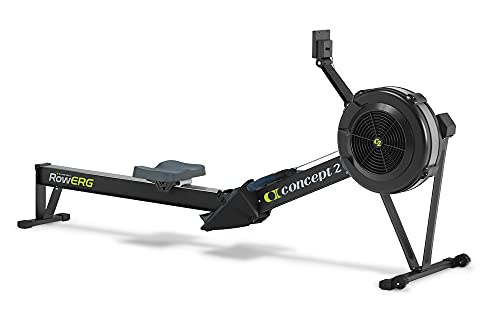
Concept2 RowErg Indoor Rowing Machine – PM5 Monitor, Device Holder, Adjustable Air Resistance, Easy Storage
Integrated Device Holder allows you to keep your Smart Phone or Tablet securely in place. Compatible with over…
As an affiliate, we earn on qualifying purchases.
As an affiliate, we earn on qualifying purchases.
Frequently Asked Questions
How Long Should a Beginner Practice the Recovery Phase Each Session?
You should practice the recovery phase for about 10 to 15 minutes each session. During this time, focus on stretching routines to improve flexibility and incorporate breathing techniques to promote relaxation. Move slowly and deliberately, ensuring proper form. This helps prevent injury and builds endurance. As you gain experience, gradually increase this practice time. Consistent, mindful recovery enhances your overall rowing performance and safety.
Are There Specific Recovery Techniques for Different Rowing Styles?
Think of recovery techniques like tuning a musical instrument—they differ with your rowing style. For different styles, you adjust your rowing posture and stroke rhythm accordingly. For instance, a smooth, controlled recovery suits long-distance rowing, while quick, sharp recoveries fit sprints. Tailoring your recovery guarantees fluidity and safety, helping you maintain ideal form and avoid injury. Always adapt your technique to match your rowing style for the best, safest results.
What Common Mistakes Should Beginners Avoid During Recovery?
You should avoid poor posture alignment and neglecting breathing techniques during recovery. Keep your back straight, shoulders relaxed, and engage your core to maintain proper posture. Remember to breathe steadily, exhaling as you recover and inhaling as you prepare for the next stroke. Rushing the recovery phase or slouching can cause fatigue or injury. Focus on smooth, controlled movements, and prioritize breathing and alignment for a safer, more effective rowing experience.
How Does Recovery Impact Overall Rowing Endurance?
Recovery plays a essential role in your rowing endurance by helping your muscles recover from fatigue and reducing muscle fatigue buildup. When you prioritize proper recovery, you support your cardiovascular health, allowing your heart to rest and strengthen. This balance enhances your stamina over time, making you more resilient during intense rowing sessions. By incorporating adequate recovery, you improve overall endurance, prevent injuries, and maintain consistent progress in your rowing performance.
Can Recovery Rules Prevent Rowing Injuries in Beginners?
Think of recovery rules as the safety net beneath a tightrope walker. They help prevent injuries by encouraging proper rowing posture and emphasizing equipment maintenance. When you adhere to these rules, you maintain balance and control, reducing strain and mishaps. Proper recovery guarantees you avoid overexertion and improper technique, which are common beginner pitfalls. Ultimately, these rules act as your safety guide, helping you stay injury-free and confident on the water.
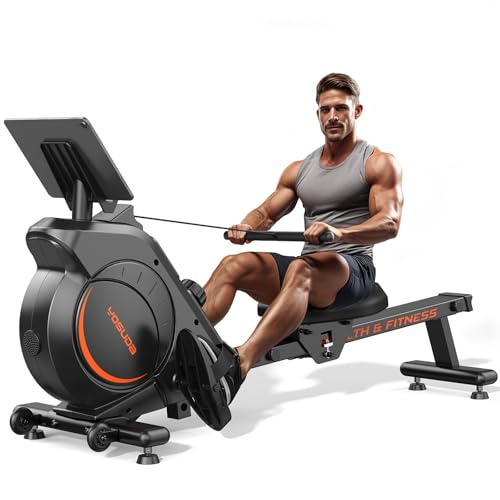
YOSUDA Magnetic Rowing Machine 350 LB Weight Capacity – Rower Machine for Home Use with LCD Monitor, Tablet Holder and Comfortable Seat Cushion-New Version
Choose YOSUDA: Design and produce top-quality exercise machines for home use for over 20 years. YOSUDA has been…
As an affiliate, we earn on qualifying purchases.
As an affiliate, we earn on qualifying purchases.
Conclusion
By following the Recovery Rule, you’ll build confidence and prevent injuries as you learn to row. Imagine yourself gliding smoothly over the water, each recovery controlled and deliberate, like a seasoned rower. For example, picture yourself enhancing your balance and rhythm during practice, feeling more secure with every stroke. Stick to the rule, stay patient, and soon rowing will feel natural and safe, turning your beginner’s journey into a confident, enjoyable experience on the water.
Concept2 RowErg Indoor Rowing Machine – PM5 Monitor, Device Holder, Adjustable Air Resistance, Easy Storage
Integrated Device Holder allows you to keep your Smart Phone or Tablet securely in place. Compatible with over…
As an affiliate, we earn on qualifying purchases.
As an affiliate, we earn on qualifying purchases.

Sunny Health & Fitness Smart Compact Adjustable Rowing Machine, 12 Levels Adjustable Resistance, Complete Body Workout, Connect via Bluetooth with Exclusive SunnyFit App – SF-RW1205SMART
【FULL BODY WORKOUT】Complete body workout that engages all major muscle groups with the smooth, hydraulic resistance that targets…
As an affiliate, we earn on qualifying purchases.
As an affiliate, we earn on qualifying purchases.