

Being needed means others rely on you during crises or for support, which can create a sense of obligation but may lead to dependency. Being valued, on the other hand, involves emotional recognition and appreciation beyond tasks, fostering genuine connection and respect. When you’re valued, your feelings, contributions, and personality are acknowledged, creating trust and deeper bonds. If you want to understand how to nurture relationships that truly matter, there’s more to explore about the difference between need and value.
Key Takeaways
- Being needed involves reliance during crises, while being valued reflects emotional appreciation beyond tasks.
- Need creates obligation and dependency; value fosters genuine connection and mutual respect.
- Relationships based on need focus on immediate support; valued relationships recognize personality and emotions.
- Emotional recognition in valued relationships enhances trust and feelings of security.
- Valued relationships promote authenticity and resilience, reducing feelings of being merely a resource.

You might often find yourself in situations where others rely on you, but it’s important to recognize that being needed isn’t the same as being truly valued. When someone turns to you during their moments of crisis or leans on your support, it can feel fulfilling. However, reliance doesn’t necessarily mean they see your worth beyond what you do for them. True value in relationships comes from emotional recognition—an acknowledgment of who you are, your feelings, and your contributions beyond just the tasks you perform. It’s about feeling appreciated for your genuine self, not just for your availability or ability to fix things.
Understanding the difference between being needed and being valued requires a closer look at the relationship’s importance. Being needed often creates a sense of obligation—for both parties—focused on immediate needs or temporary fixes. It can foster dependency, where your role is to serve rather than connect. Meanwhile, being valued emphasizes a broader appreciation of your personality, your emotions, and your unique qualities. When someone values you, they recognize your emotional states, respect your boundaries, and celebrate your individuality. This emotional recognition nurtures deeper trust and mutual respect, which are the backbone of meaningful relationships. Recognizing the importance of emotional recognition can significantly improve how we connect with others and foster genuine bonds.
In healthy connections, the emphasis shifts from simply filling a role to genuinely appreciating who you are. When your efforts are acknowledged in a way that recognizes your feelings and perspectives, you feel seen and understood. This validation isn’t just about being useful; it’s about being loved for who you truly are, including your vulnerabilities and strengths. Moreover, projectors with high contrast ratios can enhance the visual experience, making your environment even more inviting and immersive. When your relationship’s importance is rooted in emotional recognition, it fosters a sense of security and belonging. You no longer feel like you’re just a resource but someone whose presence enriches the other person’s life. Recognizing that authentic connection stems from mutual appreciation encourages healthier and more fulfilling relationships.
Just as electric bikes can produce horsepower comparable to traditional motorcycles, genuine relationships derive strength from emotional energy rather than just practical support. It’s easy to confuse being needed with being valued because both can feel rewarding at first. However, true emotional connection requires effort and intentionality. It involves listening to your feelings, respecting your boundaries, and acknowledging your contributions beyond the practical. When someone values you, they invest in your well-being, celebrate your successes, and support your growth. This creates a bond based on genuine appreciation rather than obligation. Recognizing this difference helps you foster relationships where you’re not just relied upon but truly appreciated for who you are, making your connections more authentic and meaningful.
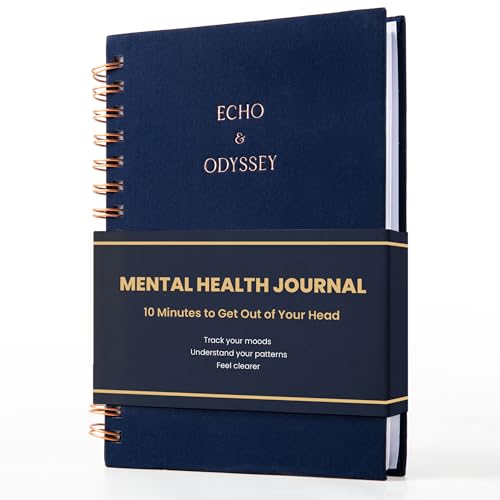
Growthedge Mental Health & Anxiety Journal – CBT Mood & Trigger Tracker
SETTLE THE NOISE: A daily reflection journal and guided journal with prompts to calm mental clutter in just…
As an affiliate, we earn on qualifying purchases.
As an affiliate, we earn on qualifying purchases.
Frequently Asked Questions
How Can I Tell if I Am Truly Valued or Just Needed?
You can tell you’re truly valued when you receive genuine emotional validation and feel personal fulfillment from your interactions. If people appreciate you for who you are, not just what you do, it shows they see your worth beyond mere necessity. You’ll notice they listen, support, and celebrate your successes, making you feel respected and understood. That’s how you know you’re genuinely valued, not just needed for specific tasks or responsibilities.
Why Do People Often Confuse Being Needed With Being Valued?
Like Icarus chasing the sun, you might confuse emotional dependency with genuine appreciation, believing being needed equals being valued. People often do this because they fear abandonment or crave affirmation, mistaking their role in others’ lives for true worth. This confusion stems from a desire to feel important, but real value comes from authentic connection, not just fulfilling needs. Recognizing this helps you foster relationships rooted in mutual respect and genuine appreciation.
Can Someone Be Both Needed and Valued Simultaneously?
Yes, you can be both needed and valued at the same time, but it requires maintaining emotional dependency and relationship balance. When you’re genuinely valued, your worth isn’t solely based on dependency, allowing for healthy connection. By fostering mutual respect and understanding, you avoid over-reliance, ensuring you’re appreciated for who you are, not just what you provide. This balance lets both partners feel secure and truly valued in the relationship.
How Does Dependency Affect Feelings of Being Needed Versus Valued?
Dependency can make you feel like you’re on a rollercoaster, swinging wildly between needing others and seeking their validation. When emotional dependency takes over, you might confuse being needed with feeling truly valued, but it often leaves your self-worth hanging by a thread. Relying too much on others for validation can diminish genuine feelings of being valued, making you crave validation more than ever, undermining your true sense of self.
What Are the Signs of Feeling Unappreciated Despite Being Needed?
You feel unappreciated despite being needed when emotional fulfillment seems absent, and your efforts go unnoticed. You might notice a lack of genuine recognition from others, leaving you feeling invisible or undervalued. When your contributions are taken for granted or dismissed, it signals that your value isn’t truly acknowledged. These signs can diminish your sense of self-worth, making it essential to seek environments where your efforts are genuinely recognized and appreciated.
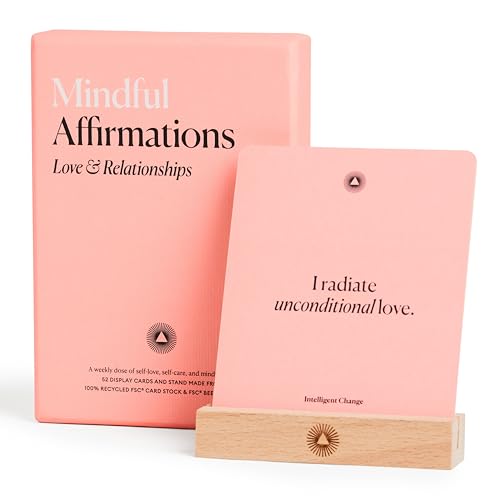
52 Mindful Affirmation Cards for Love and Relationships, Daily Words of Inspiration, Self Care Positive Affirmation Cards for Women with Stand, Gifts For Women, Mothers Day Gifts – Intelligent Change
Relationship focus: Features 52 weekly cards designed to encourage a mindful approach to love, connection, and self-compassion
As an affiliate, we earn on qualifying purchases.
As an affiliate, we earn on qualifying purchases.
Conclusion
Remember, being needed might make you feel important temporarily, but being valued creates a lasting sense of belonging. Don’t just desire to be desired; aim to be genuinely appreciated for who you are. When you’re truly treasured, your worth isn’t just about what you do but about who you are. Embrace the essence of being valued—where your presence uplifts, your uniqueness unites, and your worth truly wins. Value over need, always.

The Six Pillars of Self-Esteem: The Definitive Work on Self-Esteem by the Leading Pioneer in the Field
The Six Pillars of Self-Esteem
As an affiliate, we earn on qualifying purchases.
As an affiliate, we earn on qualifying purchases.

52 Essential Emotional Intelligence Training – Relationship Skills Card Game for Empathy, Trust Building Activities, Conversation Starters, Team Icebreaker Tools – By Harvard Researcher
Featured in Forbes, CNBC, Business Insider, PopSugar: Packed with effective language, skills, and strategies; improve personal and professional…
As an affiliate, we earn on qualifying purchases.
As an affiliate, we earn on qualifying purchases.