
🔍 Read the full analysis: The AI Advantage In Plumbing & HVAC: Eliminating Surprises on ThorstenMeyerAI.com

Get the latest gadgets delivered free with Prime
- Fast, free delivery on millions of items
- Prime Video, Amazon Music and more included
- Member-only deals all year
TL;DR
A new AI-powered platform is improving plumbing and HVAC installation by preventing unplanned breakthroughs and reducing delays. Confirmed tech integrations are streamlining coordination before on-site work begins, with significant cost and time savings. Uncertainties remain about widespread adoption and long-term impact.
An AI-powered platform has been introduced to the plumbing and HVAC sectors, significantly reducing unplanned breakthroughs and on-site rework. This development, confirmed by industry trials, aims to improve project coordination, cut costs, and minimize delays, marking a key shift in building services management.
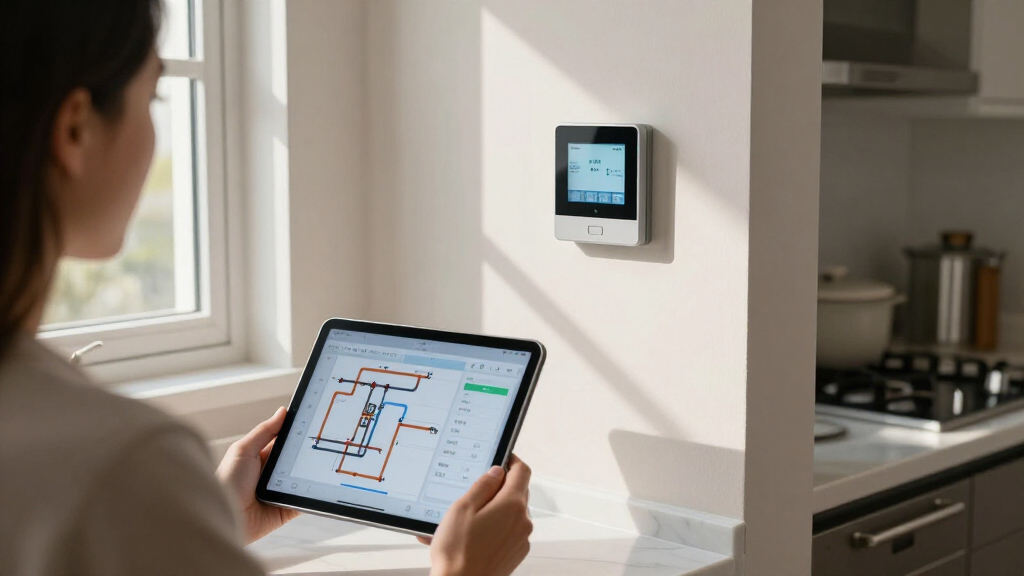
The platform, part of the Gewerkton system, integrates AI and digital documentation to ensure precise planning and real-time validation of work before it reaches the construction site. It tracks and manages breakthroughs, such as wall slots and shaft alignments, by providing detailed digital records and visual confirmation, which reduces the incidence of unplanned or incorrect work.
According to Thorsten Meyer, the platform has already demonstrated a reduction of uncoordinated breakthroughs from over 40 per project to fewer than five, significantly decreasing delays and rework. For more details, see the original analysis. For example, leak location time in existing buildings has dropped from two days to just 20 minutes, thanks to comprehensive photo archives and digital records accessible during maintenance or repair.
Industry insiders say this technology not only improves on-site efficiency but also enhances project margins by preventing costly mistakes and unnecessary hole cuts. The system’s integration with existing standards (such as GAEB and REB) and its ability to generate structured data for maintenance and warranty management are seen as key advantages.
Why Eliminating Surprises Matters in Construction
This technological advancement addresses longstanding issues of miscoordination and unforeseen work in building projects, which often cause delays, increase costs, and strain contractor-client relationships. By ensuring precise planning and digital validation before physical work begins, the platform reduces rework, shortens project timelines, and improves overall project profitability. For building owners and operators, this means fewer disruptions, better-maintained assets, and more predictable project outcomes.
digital plumbing and HVAC project planning tools
As an affiliate, we earn on qualifying purchases.
As an affiliate, we earn on qualifying purchases.
The Evolution of Digital Tools in Building Services
Over recent years, the construction industry has increasingly adopted digital tools for planning, documentation, and project management. However, challenges remained in translating digital plans into on-site accuracy, especially for complex plumbing and HVAC systems. The introduction of AI-driven platforms like Gewerkton builds on prior initiatives, offering real-time validation and detailed digital records to prevent common coordination errors. The focus on integrating these tools with regional standards and structured data formats reflects a broader industry shift toward smarter, more reliable building processes.
As an affiliate, we earn on qualifying purchases.
Long-Term Adoption and Impact of AI in Construction
It is not yet clear how widely adopted this platform will become across different regions and project types. Long-term impacts on industry standards, workforce adaptation, and overall project costs remain to be fully evaluated. Additionally, some stakeholders question whether the technology can fully eliminate all surprises, especially in highly complex or older buildings where digital records may be incomplete.
construction project digital documentation tools
As an affiliate, we earn on qualifying purchases.
As an affiliate, we earn on qualifying purchases.
Next Steps for Widespread Implementation and Evaluation
Further pilot projects and case studies are expected to validate the platform’s benefits across diverse building types and regions. Industry groups and contractors will likely assess long-term ROI, integration challenges, and training needs. As adoption grows, standardization efforts may evolve to incorporate AI-driven coordination as a core component of construction workflows, potentially setting new industry benchmarks.
HVAC and plumbing coordination software
As an affiliate, we earn on qualifying purchases.
As an affiliate, we earn on qualifying purchases.
Key Questions
How does the AI platform prevent unplanned breakthroughs?
The platform uses digital documentation, real-time status tracking, and visual validation to ensure that all work is coordinated and approved before physical execution, reducing surprises on site.
Can this technology be applied to existing buildings?
Yes, especially for leak detection and maintenance, as digital archives and structured data allow quick location of issues without invasive wall opening.
What are the main benefits for contractors?
Contractors benefit from reduced rework, shorter project timelines, improved margins, and better project coordination, all enabled by digital validation and AI insights.
Are there any limitations or challenges to adoption?
Widespread adoption may face challenges like integrating with legacy systems, training staff, and ensuring digital record completeness in older buildings.
What standards does the platform support?
The platform integrates with regional standards such as GAEB, REB, XRechnung, and DATEV, facilitating compliance and structured data management.
Source: ThorstenMeyerAI.com
Fall Picks
fall essentials
As an affiliate, we earn on qualifying purchases.