Art as therapy helps you process emotions, reduce stress, and boost personal growth. Creating art provides a safe space to express feelings beyond words, helping you understand and manage complex emotions. Focused activity engages your senses and promotes mindfulness, calming your mind. Over time, regular artistic practice builds resilience and enhances emotional well-being. If you explore further, you’ll discover how art can continue to inspire healing and inspire resilience in your life.
Key Takeaways
- Art provides a safe outlet for emotional expression, helping individuals process and understand complex feelings.
- Creating art fosters mindfulness and stress reduction through focused, sensory engagement.
- Art therapy promotes self-discovery and emotional healing by encouraging safe exploration of inner experiences.
- Regular artistic activity builds resilience and enhances coping skills for emotional challenges.
- Engaging in art inspires personal growth, self-awareness, and overall mental well-being.
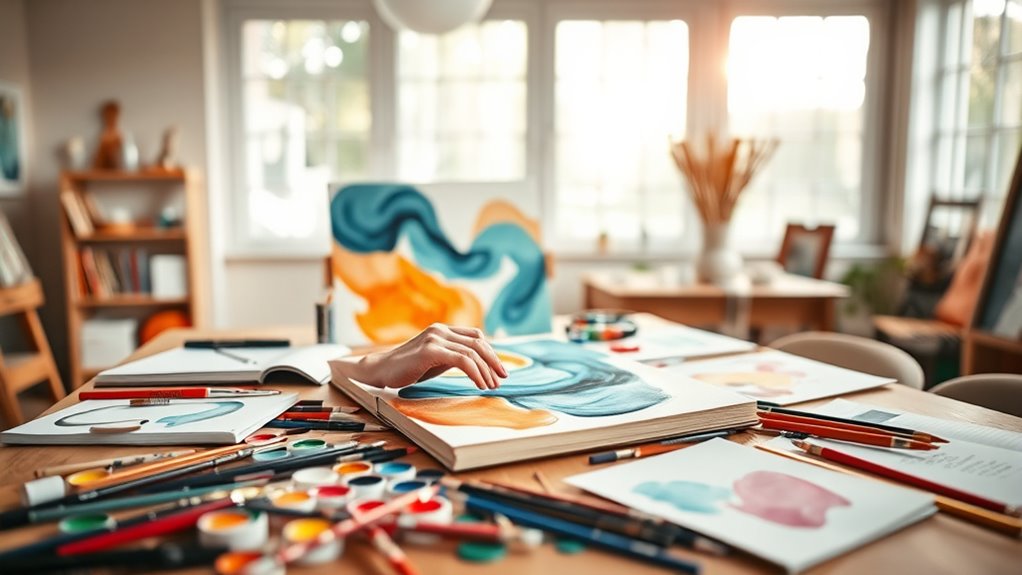
Have you ever wondered how creating art can heal the mind and soul? When you pick up a paintbrush, a pencil, or even just your hands, you tap into a powerful way to express what words often can’t. Art offers a unique outlet for emotional expression, allowing you to channel feelings—whether joy, anger, sadness, or confusion—into something tangible. This process can be incredibly freeing, helping you understand and process complex emotions without the need for verbal explanation. As you immerse yourself in creating, you might find that your emotional landscape becomes clearer, more manageable, and less overwhelming. Engaging in art like this isn’t just about making pretty pictures; it’s about connecting with your inner world and giving it a voice.
Creating art helps you express and understand complex emotions, connecting with your inner world and fostering healing.
Beyond emotional expression, art also acts as a potent tool for stress reduction. When life feels hectic or emotionally draining, creating art can serve as a calming anchor. The act of focusing on colors, textures, and shapes helps divert your mind from worries and anxieties, anchoring you firmly in the present moment. This mindfulness aspect can lower cortisol levels—the body’s stress hormone—leading to a sense of calm and tranquility. You might notice your breathing slowing down, your muscles relaxing, and a general feeling of relief washing over you as you lose yourself in the creative process. Whether you’re sketching, sculpting, or doodling, the repetitive motions and focus required can help quiet the mind, reducing mental clutter and providing clarity.
Furthermore, the tactile experience of working with different art materials can be soothing, offering sensory comfort that extends beyond the visual. The simple act of mixing colors, feeling clay between your fingers, or brushing strokes onto paper connects you with your senses, grounding you in the present moment. This sensory engagement can be especially helpful if you’re dealing with anxiety or depression, as it encourages mindfulness and emotional regulation. Over time, regularly engaging in art can bolster your resilience, helping you cope better with stress and emotional upheavals. Recognizing the importance of emotional safety in art therapy can enhance its effectiveness and your healing journey.
In essence, art as therapy isn’t about creating masterpieces; it’s about healing and self-discovery. It provides a safe space where you can express your innermost feelings and find peace amid chaos. The more you embrace this creative outlet, the more you’ll realize that art isn’t just a hobby—it’s an essential tool for emotional well-being and stress reduction. Through art, you can access a deeper understanding of yourself, foster resilience, and nurture your mental health in a profoundly healing way.

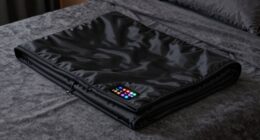
RRGFB Portable Infrared Sauna Blanket, Detox & Relaxation at Home, Adjustable Timer 20-60 Min, Temperature Range 86-158℉, 6 ft x 2.6 ft, Oxford Fabric
Relaxation at Home: Transform your home into a relaxing spa with our sauna blanket. Just 30 minutes of...
As an affiliate, we earn on qualifying purchases.
Frequently Asked Questions
Can Art Therapy Be Effective for Severe Mental Health Conditions?
Yes, art therapy can be effective for severe mental health conditions. You might find meditative drawing helps you relax and focus, while expressive painting offers a safe outlet for emotions. These creative activities can reduce symptoms and improve your well-being by promoting self-awareness and emotional release. Even in tough times, engaging in art therapy encourages healing and growth, making it a valuable component of your mental health journey.
What Types of Art Are Best Suited for Therapeutic Purposes?
Imagine a canvas bursting with vibrant colors or clay shaping into meaningful forms—that’s how expressive mediums and visual arts serve you best in therapy. These art forms allow you to explore emotions freely, whether through painting, drawing, sculpture, or collage. They help you process feelings, reduce stress, and foster self-awareness. By engaging with visual arts, you open a safe space for healing and personal growth, making therapy more impactful.
How Does Art Therapy Differ From Traditional Psychotherapy?
You’ll find that art therapy differs from traditional psychotherapy because it emphasizes creative expression as a way to facilitate emotional processing. Instead of solely talking through issues, you might use drawing, painting, or other art forms to explore feelings and gain insights. This approach can help you access subconscious emotions, promote healing, and foster self-awareness, making it a powerful complement or alternative to conventional talk therapy.
Are There Age Restrictions for Participating in Art Therapy?
Ever wondered if age matters in art therapy? The good news is, there are no strict age restrictions; it’s adaptable to all ages. Age considerations and developmental appropriateness guide how therapy is tailored, ensuring activities suit each individual’s needs. Whether you’re a child, teen, adult, or senior, art therapy can be personalized, making it a versatile tool for healing and self-expression at any stage of life.
How Can Someone Start Incorporating Art Into Their Healing Process?
You can start incorporating art into your healing by practicing mindful drawing or emotional journaling. Set aside a quiet moment, focus on your feelings, and let your creativity flow without judgment. Use drawing to explore emotions or journal visually to process thoughts. Regularly engaging in these activities helps you connect with your inner self, reduce stress, and promote emotional healing, making art a powerful tool on your journey to wellness.

Infrared Sauna Blanket - Portable Sauna Blanket for Home Weight Loss and Detox, Personal Far Infrared Dry Therapy Bag for One Person Relaxation with Adjustable Temp 95-176°F. 120V 400 Watts 70" x 31"
AMERICAN WELLNESS AUTHORITY SAUNA: Experience unparalleled comfort with our professional-grade at-home infrared sauna blanket. The durable, woven Oxford...
As an affiliate, we earn on qualifying purchases.
Conclusion
You might be surprised to learn that over 70% of people who engage in regular artistic activities report feeling less stressed and more emotionally balanced. By embracing art as therapy, you not only release your creativity but also boost your mental well-being. So, next time life feels overwhelming, pick up a brush or pen—you’ll be surprised how healing and inspiring your own art can be. Let creativity be your path to a healthier, happier you.

Lifepro RejuvaWrap Infrared Sauna Blanket for Detox & Relaxation – Low EMF Carbon Fiber Heating, 9 Temp Levels, 5 Colors – Portable Sauna Blanket Infrared with Waterproof Interior & Carry Bag
DEEP INFRARED HEAT THERAPY: Experience full-body warmth with far infrared carbon fiber heating that penetrates deeply for relaxation,...
As an affiliate, we earn on qualifying purchases.
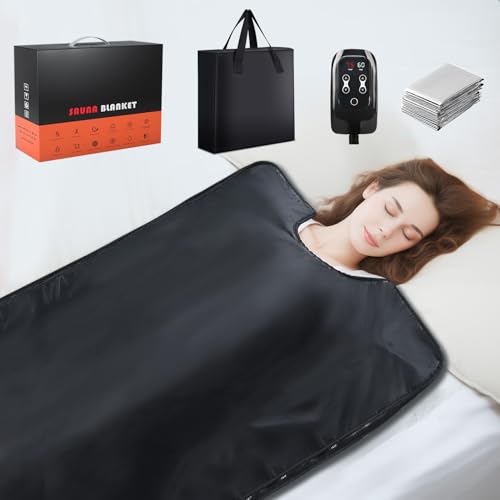
RRGFB Infrared Sauna Blanket for Home, Low EMF Carbon Crystal Heating, Portable Dry Sauna Bag for Relaxation, Detoxification, 5.9ft×2.6ft
【Infrared Sauna Blanket】The heat from our infrared sauna blanket penetrates deep into your body’s tissues, helping to boost...
As an affiliate, we earn on qualifying purchases.