

Helping others boosts your strength by activating your brain’s reward system, releasing chemicals like dopamine and oxytocin that lift your mood and build resilience. It enhances your sense of purpose, connection, and self-worth, making you feel more capable and emotionally steady. Small acts of kindness create positive feedback loops that support mental health and foster community bonds. Keep exploring how these simple choices can strengthen you both mentally and soulfully.

Get the latest gadgets delivered free with Prime
- Fast, free delivery on millions of items
- Prime Video, Amazon Music and more included
- Member-only deals all year
Key Takeaways
- Helping others activates brain’s reward system, releasing feel-good chemicals like dopamine and oxytocin that boost mood and resilience.
- Acts of kindness foster social bonds, reducing loneliness, anxiety, and depression, strengthening emotional resilience and connection.
- Contributing to others’ happiness enhances self-esteem and purpose, promoting emotional healing and personal empowerment.
- Small acts of kindness create positive feedback loops, reinforcing mental stability and fostering lasting strength through routine and mindfulness.
- Engaging in altruism cultivates gratitude and purpose, deepening spiritual fulfillment and nurturing inner strength on both science and soulful levels.
Why Helping Others Boosts Your Mood and Strength
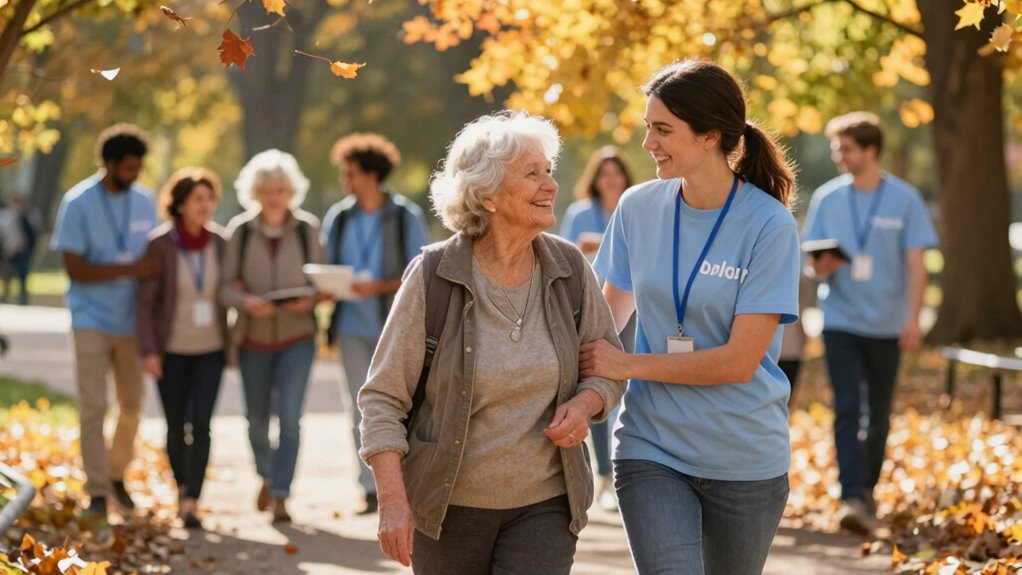
Helping others can considerably improve your mood and sense of strength because acts of kindness activate your brain’s reward system. When you help someone, your brain releases feel-good chemicals like dopamine, giving you a self-esteem boost and making you feel more capable. This positive feedback increases your confidence and overall well-being. Additionally, helping others fosters social bonding, strengthening your sense of connection and trust with those around you. These social bonds create a supportive environment that enhances your emotional resilience. As you contribute to others’ happiness, you also reinforce your own sense of purpose and worth. The more you give, the more you reinforce your inner strength, making you feel more empowered and emotionally stable. Moreover, engaging in altruistic acts can lead to improved emotional resilience, helping you better cope with life’s challenges. Engaging in acts of kindness also stimulates your brain’s reward system, further reinforcing these positive feelings and promoting overall mental health. Recognizing the physical and mental benefits of kindness can motivate you to incorporate more acts of service into your daily routine, creating a cycle of mutual support and strength. Developing consistent habits of helping others can also contribute to your overall sense of personal growth and fulfillment.
How Acts of Kindness Improve Your Brain and Well-Being
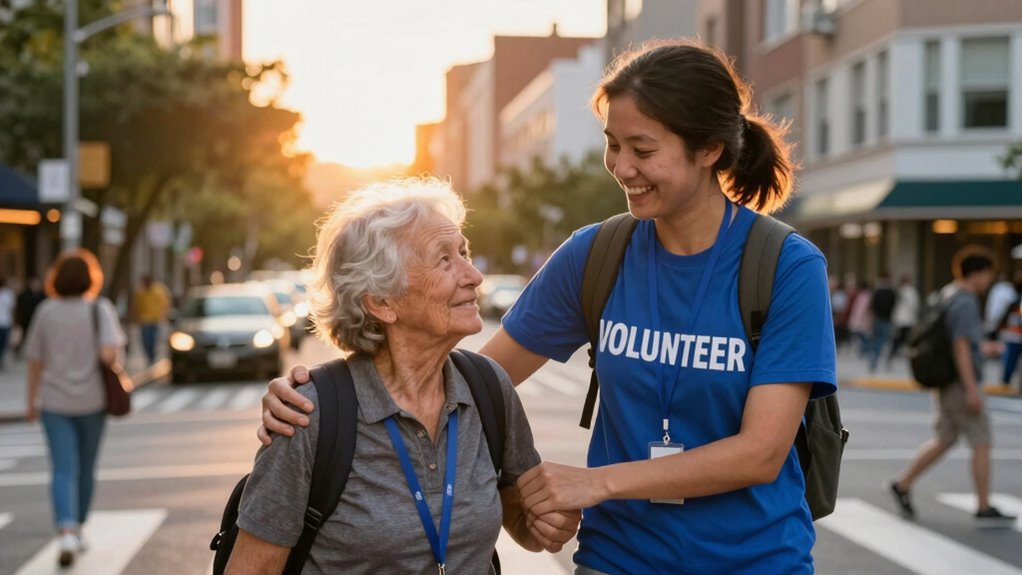
Acts of kindness do more than just benefit others; they also enhance your brain’s health and overall well-being. When you help others, your brain releases feel-good chemicals like oxytocin, boosting your mood and resilience. Altruistic motivation fuels these acts, creating a positive feedback loop. Additionally, engaging in outdoor activities can further support your mental health by reducing stress and promoting emotional resilience. However, frequent giving can lead to compassion fatigue if you’re not careful. To stay balanced, recognize your limits and practice self-care. Recognizing the importance of emotional resilience can help you maintain your well-being while engaging in acts of kindness. Engaging in self-care routines can further support your capacity to give compassionately and sustainably. Here’s how kindness impacts your brain: Free Floating
Why Giving Makes You Feel More Connected and Purposeful
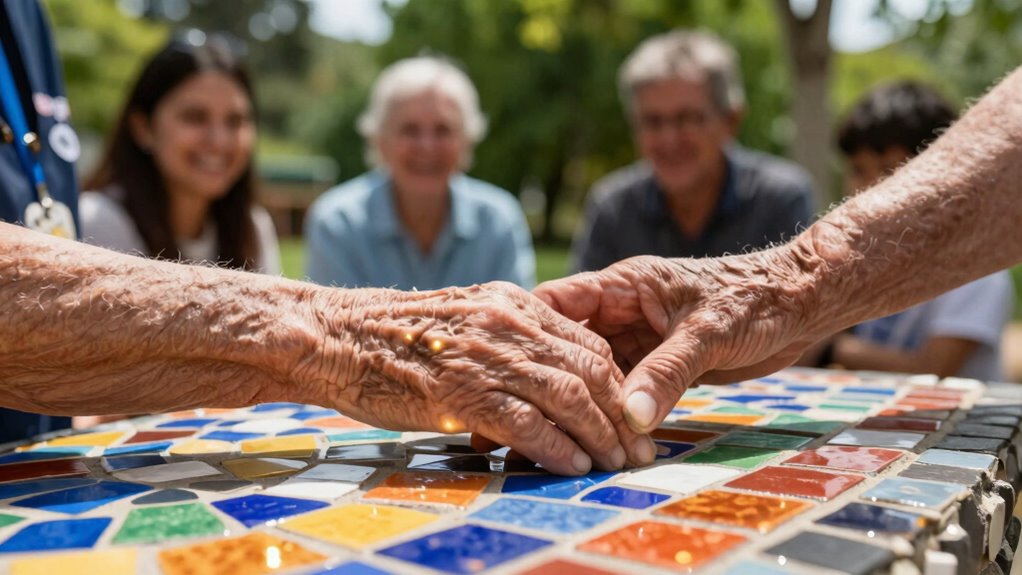
When you give to others, you create a sense of connection and purpose that can transform how you see yourself and your place in the world. Acts of kindness foster social bonding, making you feel less alone and more understood. Giving also strengthens your emotional resilience, helping you bounce back from setbacks with a positive outlook. When you contribute, you tap into a deep sense of purpose that fuels your motivation and happiness. These moments of generosity remind you that you’re part of something bigger than yourself. Additionally, the act of giving can evoke feelings of emotional healing, further empowering your well-being. Engaging in sleep hygiene practices can enhance your capacity to give by improving your overall mental and physical health, making these acts even more impactful. Cultivating a mental wellbeing index can also help you identify areas to support your mental health, increasing your ability to give effectively. Developing a self-awareness practice can deepen your understanding of your motivations and enhance your capacity for altruism. Incorporating traditional wellness practices, rooted in Indigenous wisdom, can further support your emotional resilience and overall health, enriching your acts of kindness and connection.
How Kindness Supports Your Mental Health
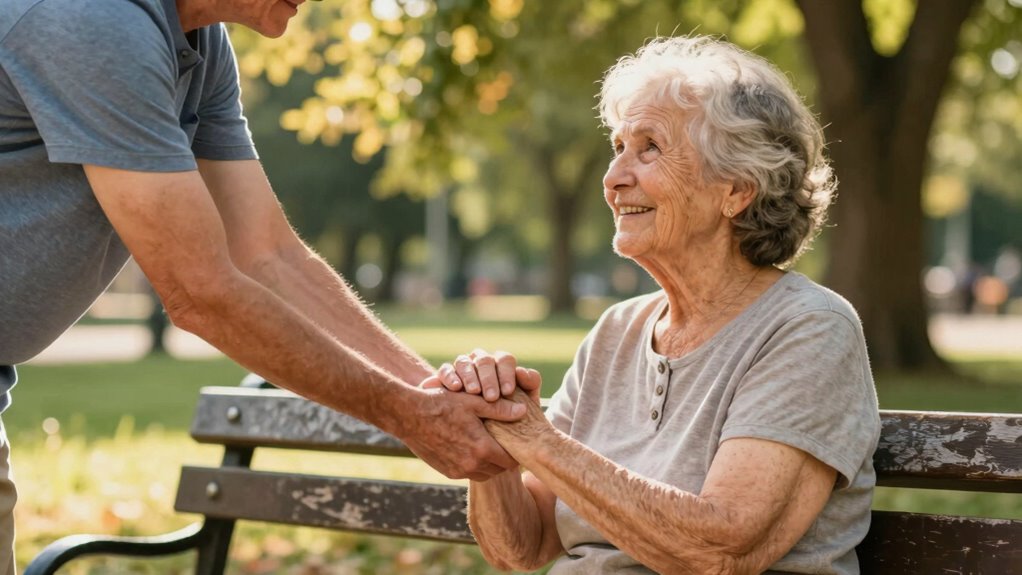
Ever wondered how small acts of kindness can boost your mental health? When you practice kindness, you strengthen your emotional resilience, helping you better handle stress and setbacks. Acts of generosity activate your brain’s reward centers, releasing feel-good chemicals like endorphins and oxytocin. This not only lifts your mood but also reinforces social bonding, creating deeper connections with others. Strong social bonds are linked to lower anxiety and depression, making you feel more secure and supported. Engaging in local traditions and community events can further enhance your sense of belonging and well-being. Participating in community-based activities fosters a sense of purpose and community, which can amplify the mental health benefits of kindness. Incorporating this social connection into your routine can lead to sustained mental health benefits. Over time, consistent kindness builds a mental foundation that promotes stability and positivity, making you more capable of facing life’s challenges with strength and grace. Building emotional resilience through kindness can also help you recover more quickly from setbacks and maintain a positive outlook.
Simple, Practical Ways to Practice Kindness Every Day

Practicing kindness doesn’t require grand gestures; simple, everyday actions can make a meaningful difference. You can start by incorporating gratitude journaling, reflecting on what you’re thankful for each day. Perform random acts of kindness, like complimenting a stranger or holding the door open. Smile at someone, offering genuine warmth. Volunteer your time briefly to help a neighbor or friend. Write a kind note or send a thoughtful message to brighten someone’s day. These small actions create ripples of positivity, boosting your mood and theirs. By intentionally practicing kindness daily, you foster compassion within yourself and others, strengthening your emotional resilience and sense of connection. Engaging in professional services such as volunteering for community projects or supporting local initiatives can also enhance your sense of purpose and belonging. Participating in community service helps you build empathy and understanding for different perspectives, enriching your personal growth. Small, consistent efforts truly add up to powerful, lasting change. Additionally, cultivating emotional intelligence helps you better understand and respond to others’ needs, amplifying the impact of your acts of kindness. Developing mindfulness can further deepen your awareness of how your actions influence both yourself and those around you.
Overcoming Guilt, Time, and Resources to Help Others

Many people hesitate to help others because they feel guilty about their own shortcomings, lack enough time, or worry about limited resources. To overcome this, focus on guilt reduction by recognizing that helping others doesn’t diminish your worth; it can actually enhance it. Practice resource management by identifying small, manageable ways to contribute without overextending yourself. Prioritize tasks and set realistic goals, remembering that even little acts of kindness count. Instead of viewing your limitations as barriers, see them as opportunities to be creative and intentional. Time and resources are finite, but with thoughtful planning, you can make a meaningful difference. Incorporating efficient resource management and reliable, well-researched information into your efforts can also boost your confidence and effectiveness.
How to Make Kindness a Daily Habit for Lasting Strength
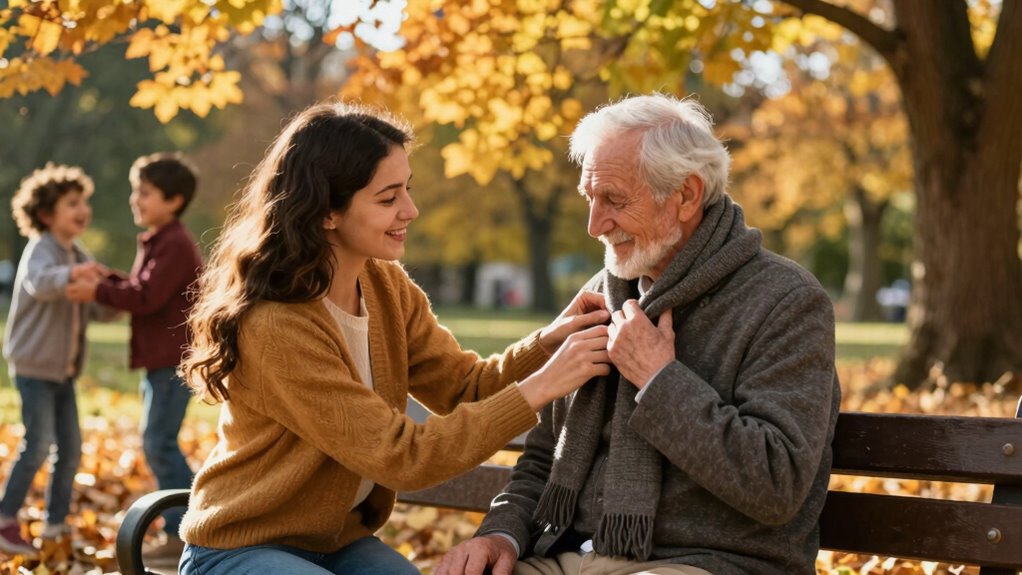
Making kindness a daily habit starts with small, intentional actions that fit seamlessly into your routine. Start by practicing gratitude journaling each morning, reminding yourself of what you appreciate. Incorporate mindful giving into your day—pay attention to moments where your actions can genuinely help others. Set simple goals, like holding the door open or offering a kind word. Remember, consistency builds strength and compassion over time.
Start each day with gratitude and mindful acts to build lasting kindness and compassion.
- Celebrate small acts of kindness, recognizing their power.
- Reflect on your daily gratitude to foster a generous heart.
- Make giving mindful, not rushed, to deepen your connection.
- Create triggers in your day to prompt acts of kindness.
- Embrace the joy of helping others as a natural part of life.
Frequently Asked Questions
Can Helping Others Improve Physical Health as Well as Mental Well-Being?
Helping others can boost your physical health and emotional resilience. When you assist someone, your body releases feel-good hormones like oxytocin and endorphins, which can lower stress and improve immune function. This active engagement not only promotes better cardiovascular health but also strengthens your emotional well-being. By contributing to others’ lives, you create a positive feedback loop that enhances your overall health and resilience, making you stronger inside and out.
How Does Altruism Influence Long-Term Happiness and Life Satisfaction?
Altruism boosts your long-term happiness and life satisfaction by strengthening emotional resilience and enhancing social bonding. When you help others, you create meaningful connections that provide support during tough times, making you more resilient emotionally. These acts foster a sense of purpose and community, which contribute to lasting happiness and fulfillment. Ultimately, your generous actions build a positive feedback loop, enriching your life while also benefiting those around you.
Are There Cultural Differences in the Effects of Kindness on Strength?
Think of kindness as a garden that blooms differently across cultures. In some places, cultural expressions and social norms turn acts of generosity into vibrant traditions that strengthen community bonds, making you feel more resilient. In others, modesty or collective harmony might shape how kindness is shown. These cultural differences influence how your acts of kindness are perceived, magnifying your inner strength and fostering a sense of belonging worldwide.
What Are Common Psychological Barriers to Frequent Acts of Kindness?
You might face self-doubt and social anxiety when trying to act kindly often. These barriers make you question if your help is enough or fear rejection, holding you back from reaching out. You may worry about awkward interactions or feeling unworthy. Recognizing these feelings helps you push through. Remember, small acts of kindness build confidence and connect you with others, gradually overcoming those psychological hurdles.
How Quickly Can Acts of Kindness Lead to Measurable Mental Health Benefits?
Acts of kindness can boost your mental health within days, strengthening emotional resilience and social bonding. When you help others, your brain releases feel-good chemicals like oxytocin and endorphins, providing quick emotional uplift. Regular acts create a ripple effect, building stronger connections and resilience over time. So, by consistently helping, you’ll notice improvements in your mood and stress levels, making you feel stronger and more emotionally balanced in just a few days.
Conclusion
When you choose kindness, you open a wellspring of strength within yourself. Like a ripple in a pond, your acts of generosity spread far beyond what you see. So, why not make kindness your daily habit? Embrace the power of helping others, and watch as your own resilience grows stronger with each act. After all, isn’t it time you discovered the true source of your strength—simply by giving?
Halloween Picks
halloween
As an affiliate, we earn on qualifying purchases.