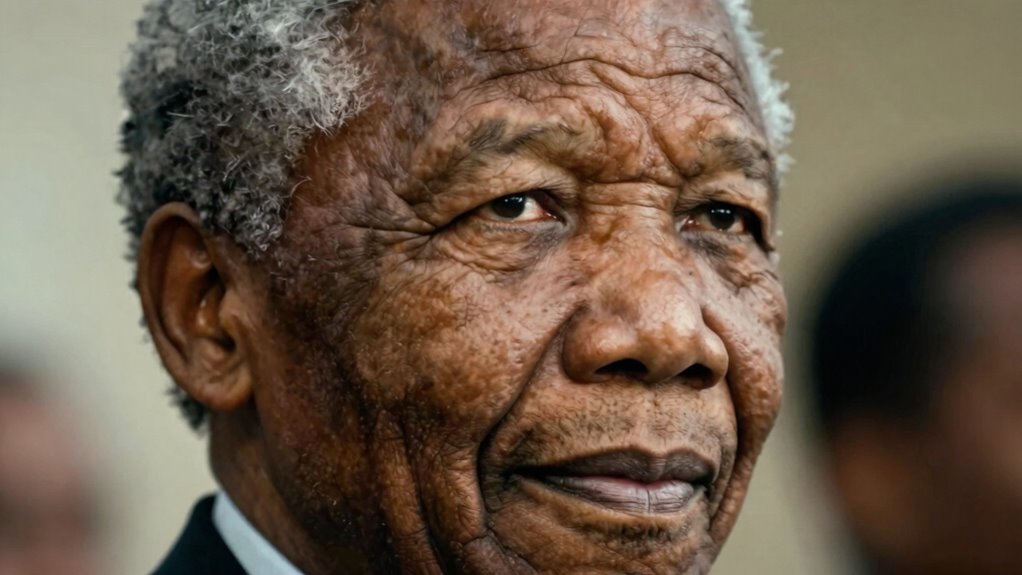

Nelson Mandela knew that true strength under pressure comes from staying true to your principles, exercising patience, and turning hardship into an opportunity for growth. He demonstrated resilience by maintaining hope, leading with integrity, and embracing dialogue over violence. His ability to adapt his strategies and practice forgiveness under extreme adversity showed that resilience is about more than physical endurance — it’s about transforming challenges into positive change. Keep exploring to discover how Mandela’s mastery of pressure shaped his legacy.

Get the latest gadgets delivered free — and shop member deals
- Fast, free delivery on millions of items
- Access to Prime Big Deal Days deals on October 6–7
- Prime Video, Amazon Music and more included
Key Takeaways
- True strength involves resilience through hope, conviction, and transforming hardship into a source of power.
- Maintaining integrity, empathy, and moral clarity guides effective leadership under pressure.
- Patience, dialogue, and forgiveness exemplify mental resilience and strategic calmness.
- Adaptability and openness to negotiation are vital in turning adversity into opportunities for change.
- Enduring adversity with dignity and purpose fosters profound societal and personal transformation.
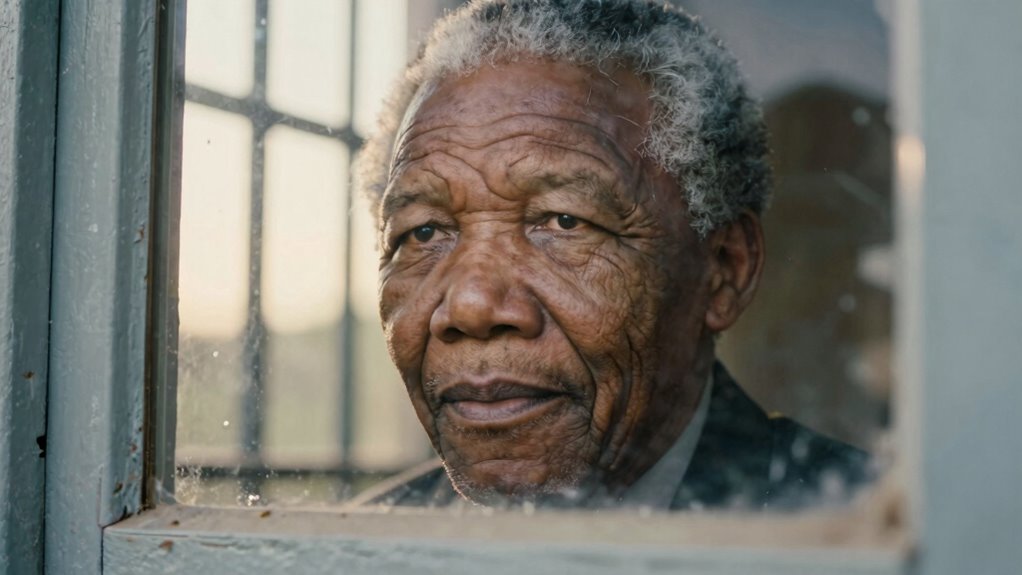
Nelson Mandela’s life exemplifies unwavering strength under pressure, demonstrating how resilience and conviction can withstand even the harshest challenges. When you observe his journey, you see that resilience strategies weren’t just about enduring hardship—they were about transforming it into a source of strength. Mandela faced nearly three decades of imprisonment, yet he refused to let anger or despair define him. Instead, he focused on maintaining hope, conviction, and the vision of a free South Africa. These resilience strategies became the foundation of his leadership traits, showcasing patience, humility, and unwavering commitment to justice.
Nelson Mandela’s resilience turned hardship into strength, inspiring hope and unwavering commitment to justice.
You learn that true strength under pressure requires more than just endurance; it demands a clear sense of purpose. Mandela’s leadership traits—integrity, empathy, and strategic thinking—allowed him to navigate complex political landscapes while maintaining his moral compass. He understood that leadership isn’t about wielding power for personal gain but about inspiring others and fostering unity. His ability to stay true to his principles, even when faced with immense opposition, exemplifies resilience at its finest. Recognizing the importance of leadership traits in his journey highlights how character and values are essential in overcoming adversity. Additionally, Mandela’s capacity to adapt to shifting circumstances demonstrates that resilience involves flexibility and strategic responses.
By witnessing Mandela’s approach, you realize that resilience strategies involve more than physical stamina—they include emotional resilience and mental toughness. He prioritized dialogue over violence, patience over impulsiveness, and reconciliation over revenge. These choices weren’t easy, but they reinforced his leadership traits and demonstrated that strength under pressure often means staying calm and composed, no matter how intense the situation. Mandela’s unwavering belief in a peaceful transition and his capacity to forgive his oppressors highlight the importance of resilience in leadership. Additionally, understanding Hartsburg News and other events in his life provides context for how external pressures can shape resilience strategies. His ability to adapt to shifting circumstances shows that flexibility is an essential component of resilience.
You also see that resilience strategies aren’t static; they evolve as circumstances change. Mandela adapted his tactics, embracing negotiation and diplomacy when direct confrontation seemed futile. His leadership traits—openness to dialogue, strategic patience, and moral clarity—helped him turn adversity into opportunity. His resilience wasn’t just about surviving hardship; it was about transforming it into a catalyst for change. This mindset inspired millions and showed that true strength is about perseverance and unwavering conviction, even in the face of seemingly insurmountable obstacles. His capacity for adaptability underscores the importance of evolving strategies in response to external pressures.
Ultimately, Nelson Mandela knew that strength under pressure is rooted in resilience strategies and leadership traits that uphold integrity, patience, and hope. His life teaches you that enduring hardship with dignity and purpose can lead to profound change. By embodying these qualities, you, too, can face your own challenges with resilience, transforming pressure into a powerful force for growth and progress. Understanding leadership traits can further deepen your appreciation for how Mandela’s resilience shaped his legacy.
As an affiliate, we earn on qualifying purchases.
Frequently Asked Questions
What Specific Moments Demonstrated Mandela’s Resilience During Imprisonment?
During his imprisonment, Mandela demonstrated resilience through moments of unwavering hope and strategic resilience tactics, like maintaining prison solidarity among inmates. His ability to stay committed to his cause, even under harsh conditions, inspired others. When faced with isolation, he used mental strength and discipline, proving that resilience isn’t just physical but also emotional. These moments showcase his unbreakable spirit and leadership, even behind bars.
How Did Mandela’s Personal Beliefs Influence His Ability to Stay Strong?
Your personal convictions and inner strength deeply influenced Mandela’s resilience. His unwavering belief in equality and justice fueled his resolve during tough times. By staying true to his principles, he found the inner strength needed to endure imprisonment and setbacks. Mandela’s faith in a better future kept him motivated, proving that strong core beliefs can sustain you through even the most challenging pressures. His example shows that personal convictions are essential for resilience.
What Role Did Mandela’s Family Play in His Mental Resilience?
Did you know that Mandela’s family played a vital role in his emotional resilience, supporting him through nearly three decades of imprisonment? Family support provided him with a stable emotional foundation, helping him maintain hope and strength. Their encouragement reinforced his resilience, reminding him of his purpose and values. This unwavering support helped Mandela endure intense pressure, fueling his determination to fight for justice and freedom.
Did Mandela Develop Any Unique Coping Strategies Under Pressure?
You’d find that Mandela developed unique coping strategies that boosted his mental resilience and emotional endurance. He used methods like meditation, reflection, and maintaining a strong sense of purpose. These strategies helped him stay calm, focused, and optimistic despite intense pressure. By embracing patience and hope, Mandela strengthened his ability to handle adversity, inspiring others and reinforcing his unwavering commitment to his cause.
How Did Mandela’s Leadership Style Evolve Through Adversity?
Your leadership style evolved through adversity by becoming more inclusive and empathetic. Facing intense challenges, Mandela adapted by practicing patience, listening deeply, and fostering unity. This adversity adaptation helped him shift from a militant stance to a unifying figure, emphasizing reconciliation over conflict. His leadership evolution inspired others to see strength in humility and compassion, demonstrating that true leadership grows stronger when guided by resilience and a willingness to adapt under pressure.
As an affiliate, we earn on qualifying purchases.
Conclusion
You now see how Nelson Mandela’s strength under pressure was nothing short of legendary. His resilience turned the impossible into the inevitable, inspiring millions worldwide. When the weight of injustice bore down, he stood firm like a mountain, unshaken and unwavering. If Mandela could endure decades of suffering and still lead with hope, then nothing can crush your spirit. Embrace your challenges with the same fearless courage—your strength can move mountains, too.
As an affiliate, we earn on qualifying purchases.
forgiveness and patience meditation guides
As an affiliate, we earn on qualifying purchases.
As an affiliate, we earn on qualifying purchases.
Fall Picks
fall essentials
As an affiliate, we earn on qualifying purchases.