📊 Full opportunity report: A Closer Look At AI Report Generation For Investigators on IdeaNavigator AI — validation score, market gap, and execution plan.

Get the latest gadgets delivered free with Prime
- Fast, free delivery on millions of items
- Prime Video, Amazon Music and more included
- Member-only deals all year
TL;DR
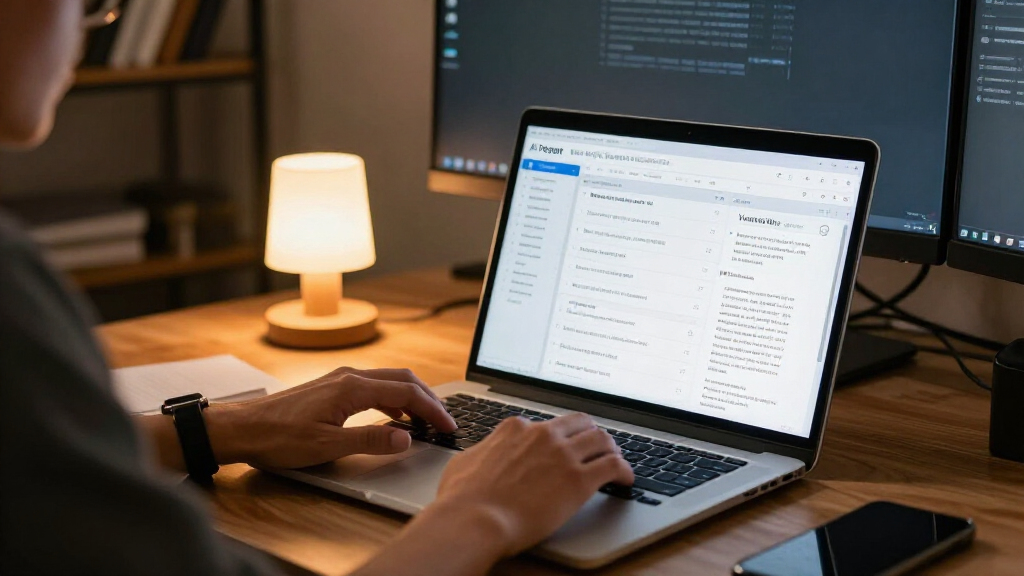
A proposal from IdeaNavigator AI describes an AI report generator for independent private investigators and small firms. The tool would organize field notes, timestamped photos and GPS tracks into a chronological draft, but its time savings and courtroom suitability have not been demonstrated.
IdeaNavigator AI has proposed an AI report generator for independent private investigators and small firms, aimed at turning field notes, timestamped photographs and GPS tracks into chronological draft reports. The concept is intended to reduce the time investigators spend writing after surveillance, but it is a product proposal: no working tool, customer trial, measured time savings or attorney assessment is reported.
The proposed minimum viable product would accept field notes, timestamped photos and GPS tracks, then assemble them into a chronological report with references to exhibits. It would also flag gaps in the timeline and export the draft using a firm’s template. A human review step is part of the proposed workflow; the material does not describe the system as producing a final report without investigator oversight.
The target customers are independent investigators and small private-investigation firms, with a suggested business model of a monthly, per-seat subscription tiered by report volume. The opportunity is placed in the investigation-services software market. No pricing, named customers, development team, product release, or evidence of demand is supplied.
IdeaNavigator AI proposes testing the idea with recent case files from 10 firms. Investigators would use those files to generate reports, attorneys would review the reports for admissibility quality, and the test would measure time saved per report. These are proposed validation steps, not completed research or results.
A Closer Look at AI Report Generation for Investigators
IdeaNavigator AI proposes turning field notes, timestamped photos and GPS tracks into chronological draft reports. The workflow is plausible; its time savings and courtroom suitability remain unproven.
From source records to a reviewable draft
The product is aimed at a narrow, recurring task: assembling observations into a formal narrative after surveillance. Its proposed output is a draft, not an autonomous final report.
Gather records
Field notes, timestamped photographs and GPS tracks enter the workflow.
Arrange chronology
The system is proposed to organize observations by time and connect exhibits.
Flag and format
Timeline gaps are flagged; a draft is exported to the firm’s template.
Investigator review
A person checks the narrative against source records before use.
A focused workflow with meaningful constraints
The proposal targets independent investigators and small firms, where report assembly may consume hours. A polished narrative only helps if it remains faithful to the underlying evidence and is easy to verify.
Less repetitive drafting
Organizing records into a first draft could reduce manual assembly after a surveillance day. No time saving has yet been measured.
Traceable exhibits
References to source materials and timeline-gap flags are intended to help investigators check the report against its records.
Small investigation firms
A monthly, per-seat subscription tiered by report volume is suggested. Pricing and evidence of customer demand are absent.
What is described—and what is still unknown
The supplied material outlines a product idea and a potential minimum viable product. It does not report a built tool, customer trial or independent assessment.
Workflow features
- Notes, timestamped photos and GPS tracks as inputs
- Chronological report draft with exhibit references
- Flags for gaps in the timeline
- Export using a firm’s report template
- Human review before the report is used
Product evidence
- Whether a working product exists or has launched
- Measured time savings, accuracy or customer feedback
- Attorney findings on admissibility or report quality
- How conflicting timestamps and incomplete data are handled
- How sensitive case data, originals and review edits are protected
Attorney review is central to the test
IdeaNavigator AI proposes using recent case files from 10 firms. The exercise has not been reported as completed, and the material does not say whether firms have been recruited or when a pilot might begin.
What readers should know
The central question is not only whether a draft can be produced, but whether investigators can verify it quickly and trust that it preserves what the source records show.
What would the proposed tool do?
ProposalTurn notes, timestamped photos and GPS tracks into a chronological report draft with exhibit references, gap flags and firm-template export.
Is it available or tested?
UnknownThe material describes a concept and proposed minimum viable product. It gives no launch details or completed test results.
Would it produce court-ready reports?
Not established“Court-format” is undefined, and no jurisdiction-specific requirements or admissibility findings are provided.
How does IdeaNavigator AI propose to validate it?
Suggested pilotUse case files from 10 firms, ask attorneys to review reports and measure time saved per report. These steps are not reported as completed.
Testing Report Quality and Time Savings
Investigative reports document what happened, when it happened and what evidence supports the account. A tool that organizes observations and links them to exhibits could help reduce repetitive drafting work, if it preserves the source details accurately and makes review easier. The proposal identifies a specific workflow problem: investigators may spend hours assembling a narrative after each surveillance day, and the quality of that record can matter when the work is scrutinized in court.
But speed alone would not establish that the product is useful. Accuracy, traceability and human review would matter because a polished narrative can still misstate chronology or suggest more certainty than the underlying notes, images or location records support. Attorney review and measurement of time saved are therefore central to the proposed test. Until those checks are carried out, the concept should not be treated as proven to improve report quality or courtroom outcomes.
Products Worth Considering

DJI Osmo Pocket 3 Creator Combo Vlogging Camera with Mic 2, 1 CMOS, 4K/120fps, 3-Axis Stabilization, 128GB Card

DJI Osmo Pocket 3 Vlogging Camera with 1-Inch CMOS Sensor and 4K Video

DJI Mic 3 Wireless Microphone System (2 Transmitters, 1 Receiver, Charging Case)
As an affiliate, we earn on qualifying purchases.
A Narrow Workflow for Investigation Firms
The proposal focuses on converting structured observations into formal narrative rather than automating an entire investigation. That is a defined use case: investigators already gather notes, photographs and location information, and the proposed software would help arrange those materials into a report. The suggested output would retain exhibit references and timeline-gap flags, features intended to make the draft easier to review against its underlying evidence.
IdeaNavigator AI argues that language models can handle this kind of transformation and that private investigators are underserved by modern software. Those points are the rationale for the proposal, not independent findings established by product testing. The material provides no comparative study of existing tools, no technical description of how records would be checked or protected, and no details about how the system would handle conflicting timestamps or incomplete data.
Product Evidence Still Missing
The proposal does not establish whether a tool has been built or whether investigators or attorneys have tested it. No measured time savings, accuracy results, admissibility assessments or customer feedback are reported. The phrase “court-format” is not defined, and there is no information on which jurisdiction’s requirements a report would follow.
It is also unclear how the proposed system would preserve original records, handle inconsistencies between notes and timestamps, protect sensitive case data, or record edits made during human review. Those details could affect whether firms can safely use generated drafts in real cases. The material does not state a launch schedule, subscription price or development plan.
Attorney Review Is the Proposed Test
The next step described by IdeaNavigator AI is a pilot using recent case files from 10 firms. Attorneys would review generated reports for admissibility quality, while investigators’ time spent preparing each report would be measured. The proposal does not say when that exercise will begin or whether participating firms have been recruited.
Any results would need to show not only whether drafting time falls, but whether the reports remain faithful to the underlying records and can be checked efficiently by investigators. Until the proposed pilot is completed and its methods and findings are available, the AI report generator remains an early-stage product concept rather than a validated tool.
Source: IdeaNavigator AI
Key Questions
What would the proposed AI report generator do?
It would turn field notes, timestamped photos and GPS tracks into a chronological report draft, with exhibit references, timeline-gap flags and export to a firm’s template.
Is the tool available or tested?
The material describes a product concept and proposed minimum viable product. It gives no launch information or completed test results.
Would the AI produce court-ready reports?
That has not been established. The proposed workflow includes a human review pass, and the suggested validation would ask attorneys to assess report quality. No admissibility findings are provided.
How does IdeaNavigator AI propose to validate the idea?
It proposes using recent case files from 10 firms, having attorneys review the resulting reports and measuring time saved per report. These steps have not been reported as completed.
Source: IdeaNavigator AI