
TL;DR

Get the latest gadgets delivered free — and shop member deals
- Fast, free delivery on millions of items
- Access to Prime Big Deal Days deals on October 6–7
- Prime Video, Amazon Music and more included
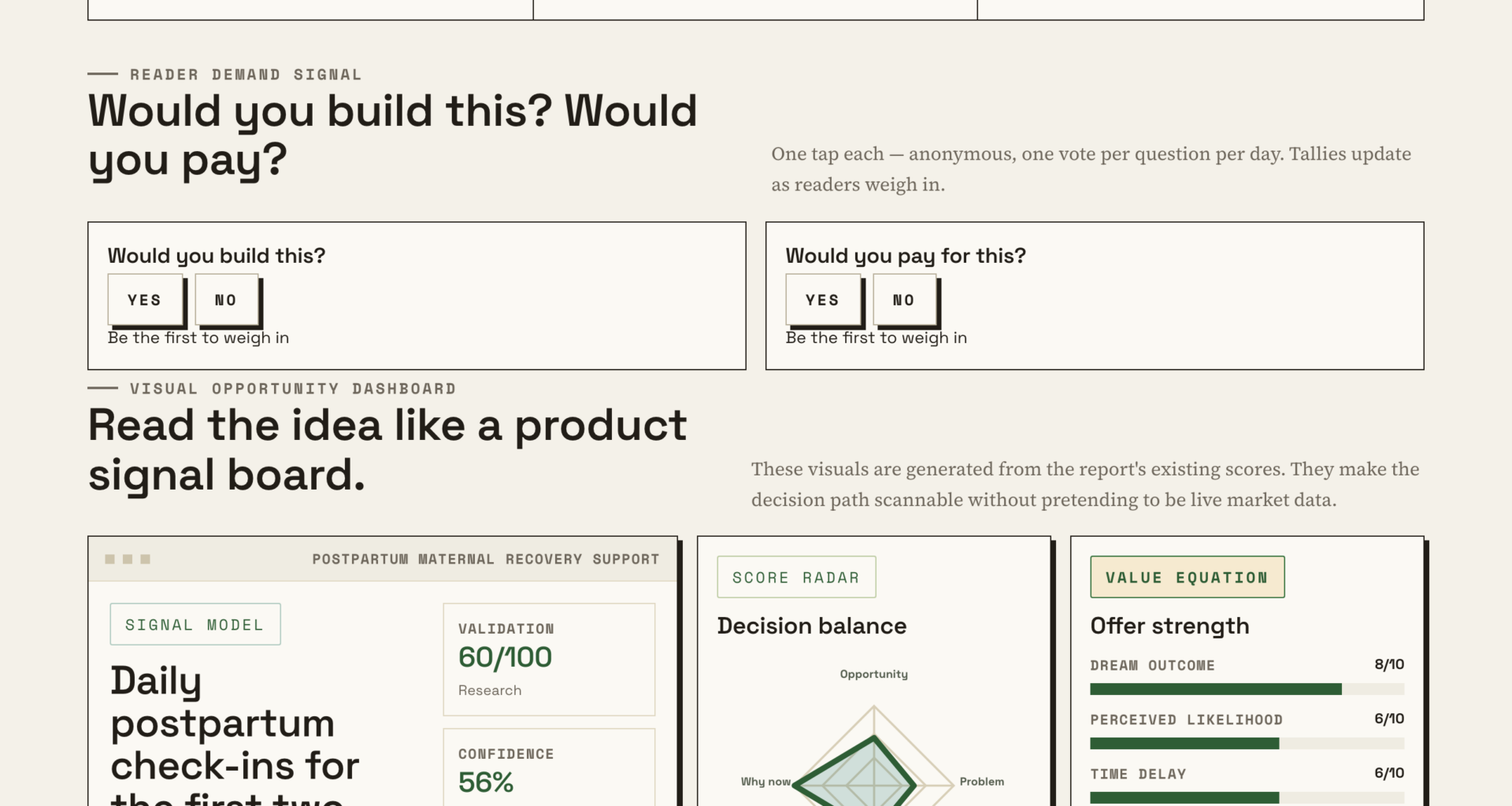
A pilot program is testing daily postpartum check-ins for first-time mothers during their first two weeks home. The initiative aims to enhance recovery monitoring and prompt timely care, addressing gaps in current postpartum support.
A pilot program is underway to provide daily postpartum check-ins for first-time mothers during the first two weeks after hospital discharge, addressing a critical gap in postpartum care. The initiative aims to improve maternal recovery monitoring and reduce the risk of complications by offering personalized, daily support when in-person visits are not yet scheduled.
The program targets first-time mothers discharged before their six-week postpartum follow-up, a period identified as high-risk for complications. Currently, these women typically receive only a generic pamphlet and no structured follow-up until their scheduled appointment, which can leave early warning signs unnoticed.
The proposed solution involves a digital onboarding process that builds a recovery profile based on delivery details, feeding methods, and mental health status. This profile then guides daily check-ins via smartphone, offering tailored recovery tips and prompting mothers to contact healthcare providers if certain symptoms are flagged.
According to IdeaNavigator AI, the initiative is designed as a minimal viable product (MVP) that will be tested by recruiting 15 first-time mothers within 48 hours of discharge. The trial will measure engagement, symptom reporting, and whether flagged issues lead to appropriate medical contact, with the goal of validating the approach for broader deployment.
Potential to Transform Postpartum Support Models
This initiative could significantly improve postpartum care by filling the critical first two weeks after discharge, a period often marked by uncertainty and limited contact with healthcare providers. Enhanced monitoring may lead to earlier detection of complications such as infections, bleeding, or mental health issues, thereby reducing hospital readmissions and improving maternal outcomes.
Furthermore, the program leverages smartphone technology to deliver personalized, timely support, aligning with broader maternal health campaigns emphasizing the importance of postpartum care. If successful, it could serve as a scalable model for integrating digital health solutions into routine postpartum follow-up, potentially influencing policy and practice guidelines.
As an affiliate, we earn on qualifying purchases.
Addressing the Postpartum Care Gap
Research indicates that the first two weeks postpartum are critical for maternal recovery, yet current healthcare practices often leave women without structured support during this window. Typically, women are discharged with minimal guidance and wait until their six-week check-up to raise concerns, despite many complications arising earlier.
Recent maternal health awareness campaigns have spotlighted this gap, emphasizing the need for more continuous, personalized support. Advances in smartphone technology now make daily check-ins feasible, creating opportunities for healthcare systems to intervene proactively during this vulnerable period.
“Providing daily check-ins during the first two weeks can help identify warning signs early and improve maternal outcomes.”
— an anonymous researcher
As an affiliate, we earn on qualifying purchases.
Unanswered Questions About Program Effectiveness
It remains unclear how effective the daily check-ins will be in prompting appropriate medical contact or reducing complications, as the program is still in the pilot phase. The small sample size and short duration limit the ability to generalize findings, and long-term impacts are yet to be studied.
Additionally, questions about user engagement, privacy concerns, and integration with existing healthcare systems are still being explored.
As an affiliate, we earn on qualifying purchases.
Next Steps for Validation and Scaling
The pilot will run for two weeks, with researchers analyzing engagement rates, symptom flagging accuracy, and subsequent healthcare contact. If results are promising, plans include expanding the trial to a larger cohort and integrating feedback to refine the platform. Success could lead to wider adoption within postpartum care protocols and potential sponsorship by healthcare payers or practices.
As an affiliate, we earn on qualifying purchases.
Key Questions
How does the daily check-in system work?
It involves a smartphone app that prompts mothers daily with tailored questions based on their recovery profile, helping identify symptoms that may need medical attention.
Who is this program designed for?
It is specifically targeted at first-time mothers discharged before their six-week postpartum follow-up, a group at higher risk for unnoticed complications.
What are the potential benefits of this approach?
Early detection of complications, personalized support, reduced hospital readmissions, and improved maternal mental health outcomes.
Are there privacy concerns with daily check-ins?
Privacy and data security are key considerations, and the program aims to comply with healthcare data regulations, but detailed privacy measures are still under development.
When will this program be available more broadly?
If pilot results are positive, broader implementation could occur within the next year, pending further validation and integration efforts.
Source: IdeaNavigator AI
Halloween Picks
halloween
As an affiliate, we earn on qualifying purchases.