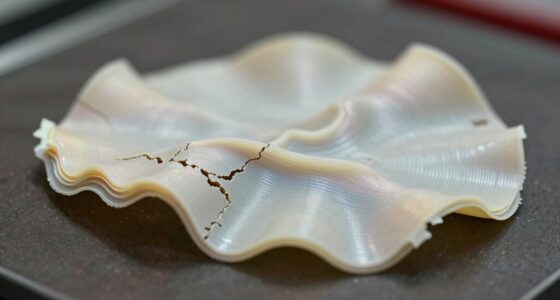

You may feel unproductive right before rest heals you because societal norms emphasize constant activity as a sign of success, making stillness seem like wasted effort. Your mind resists downtime, often fueled by guilt and the belief that progress only comes through busy work. Yet, rest is an active process essential for healing, growth, and long-term success. Keep exploring—there’s more to discover about how embracing rest can truly benefit you.

Get the latest gadgets delivered free with Prime
- Fast, free delivery on millions of items
- Prime Video, Amazon Music and more included
- Member-only deals all year
Key Takeaways
- Societal norms equate busyness with productivity, making rest feel like wasted time.
- Rest activates the body’s healing processes, which are often invisible and not immediately rewarding.
- Feelings of guilt and mental resistance arise because rest contradicts the cultural emphasis on constant achievement.
- Healing is a gradual process that requires patience, making immediate results from rest seem elusive.
- Rest is an active, essential step for long-term growth, even if it doesn’t produce immediate visible outcomes.

Have you ever felt guilty for taking a break, especially when it seems like nothing is happening? It’s a common experience, especially in a world that constantly pushes you to be productive. You might sit down, rest, and feel an immediate wave of doubt or frustration. Your mind races with thoughts that you should be doing more—more work, more goals, more progress. This internal pressure often stems from societal expectations that equate worth with constant activity. Society’s pressure makes you believe that if you’re not constantly moving forward, you’re falling behind. That mental block can make resting feel like wasted time, even when your body and mind are actually in need of recovery.
Resting feels unproductive, but it’s essential for true healing and growth. Embrace silence and give yourself permission to recover.
It’s easy to dismiss rest as unproductive because of these ingrained beliefs. You might think, “If I’m not working, I’m not achieving,” which fuels guilt and resistance to taking breaks. These mental blocks are reinforced by social norms that celebrate busyness as a sign of success, creating a false sense that downtime equals laziness or failure. But the truth is, rest is essential for healing and growth. When you pause, your body repairs tissue, your brain consolidates memories, and your emotional resilience strengthens. Recognizing that societal norms influence perceptions can help you challenge these ingrained beliefs. Understanding the importance of biological recovery can further support your efforts to embrace rest as a vital process. Additionally, acknowledging that mental health benefits come from adequate rest can motivate a healthier balance. Moreover, recognizing that rest activates your parasympathetic nervous system can deepen your appreciation for its role in healing.
Feeling unproductive right before healing is almost inevitable because your mind is wired to expect immediate results. You want instant progress, but healing—whether physical, mental, or emotional—rarely works on your desired timeline. Instead, it’s a gradual process that requires patience and trust. When you’re resting, your mind might tell you you’re wasting time, but that’s often just the mental block talking. It’s your brain’s way of resisting the uncomfortable silence and stillness that’s necessary for true recovery. Recognizing that these feelings are normal helps you reframe your perspective. Rest isn’t a pause from achievement; it’s a vital part of it.
Ultimately, understanding that societal pressure and mental blocks distort your view of productivity can help you embrace rest as an active, healing process. When you let go of the guilt and resist the urge to rush through recovery, you give yourself permission to heal fully. And in doing so, you set the stage for genuine progress—one that’s sustainable and deeply rooted in well-being. Rest may feel unproductive in the moment, but it’s often the quiet that prepares you for your next big step.
guided meditation for rest and recovery
As an affiliate, we earn on qualifying purchases.
As an affiliate, we earn on qualifying purchases.
Frequently Asked Questions
How Long Should Rest Periods Typically Last for Healing?
You should aim for rest periods lasting from a few days to a couple of weeks, depending on your injury or fatigue level. The healing timeline varies based on the severity and type of issue. Listen to your body and give it enough time to recover fully before resuming intense activity. Proper rest duration guarantees effective healing, preventing setbacks and promoting long-term health and strength.
Can Over-Resting Delay Recovery?
Overresting is like stalling a car on a busy road—it can cause delays. Yes, over-resting can delay recovery because it leads to overresting pitfalls and resting misconceptions. When you rest too much, your muscles weaken, and your body becomes less efficient at healing. To prevent this, balance rest with gentle activity, and listen to your body’s signals. Proper timing ensures you heal faster, not slower.
Are There Signs Rest Is Not Effective?
Yes, signs that rest isn’t effective include persistent fatigue, worsening symptoms, or feeling unrefreshed after downtime. Rest misconceptions often lead you to overrest, which can cause overresting pitfalls like muscle weakness or mental sluggishness. If you notice your condition isn’t improving or worsens, it’s a clear sign that rest might be insufficient or misapplied. Balance, active recovery, and proper rest are key to effective healing.
How Do I Know When to Resume Activity?
Think of your body as a finely tuned machine; knowing when to shift from rest to activity is key. When you feel a steady, purposeful energy rather than lingering fatigue or pain, it’s a sign you’re ready. Don’t fall for recovery myths that rush you back into activity prematurely. Balance rest vs activity carefully, listening to your body’s signals, and gradually increase intensity to avoid setbacks and support genuine healing.
Does Rest Work the Same for Mental and Physical Injuries?
Rest works differently for mental and physical injuries, but both require patience and emotional resilience. For physical injuries, like strains, physical therapy is key, and rest helps your body heal. For mental injuries, rest allows your mind to recover, reducing stress and emotional exhaustion. In both cases, giving yourself time and space supports healing. Recognizing when to push forward or rest is essential for recovery, whether physical or emotional.
sleep aid supplement for healing
As an affiliate, we earn on qualifying purchases.
As an affiliate, we earn on qualifying purchases.
Conclusion
So, next time rest feels like a waste of time, remember it’s the quiet before the storm of renewal. Like a seed buried deep in the earth, it may seem still and unproductive, but beneath the surface, transformation is quietly taking shape. Trust this process—sometimes, the most profound healing happens in the moments when nothing seems to be happening. Embrace the pause, for it’s the bridge to your renewed self.
relaxation and stress relief tools
As an affiliate, we earn on qualifying purchases.
As an affiliate, we earn on qualifying purchases.
parasympathetic nervous system activation products
As an affiliate, we earn on qualifying purchases.
As an affiliate, we earn on qualifying purchases.
Columbus Day / Indigenous Peoples' Day Picks
long weekend sales
As an affiliate, we earn on qualifying purchases.