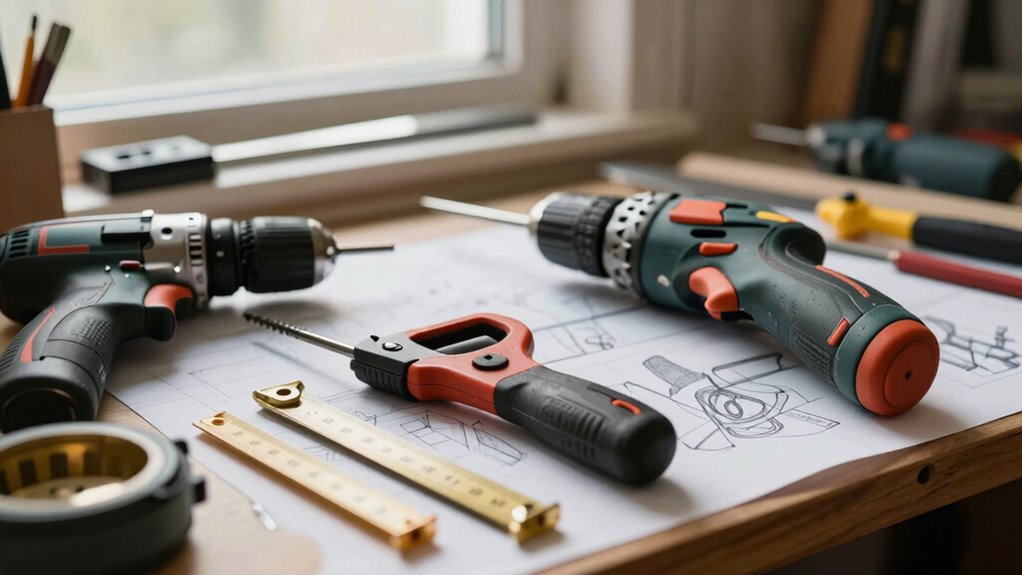

If you buy new tools before improving your core skills, you risk creating superficial work that stalls your growth. You might get caught up in new gadgets or software, assuming they’ll make your work better, but tools are just extensions of your talent—without solid skills, they only distract. This dependency can weaken your confidence and limit genuine progress. To stay truly creative, focus on building your foundation first; there’s much more to discover beyond the latest tech.

Get the latest gadgets delivered free with Prime
- Fast, free delivery on millions of items
- Prime Video, Amazon Music and more included
- Member-only deals all year
Key Takeaways
- Prioritizing new tools over skill development leads to superficial work and long-term stagnation.
- Dependency on gadgets and presets diminishes creative independence and authentic expression.
- Relying on technology as a shortcut hampers foundational skill growth and mastery.
- Focusing on tools instead of core talents creates a fragile, unsustainable creative process.
- Building strong skills first ensures effective tool use and sustainable creative progress.
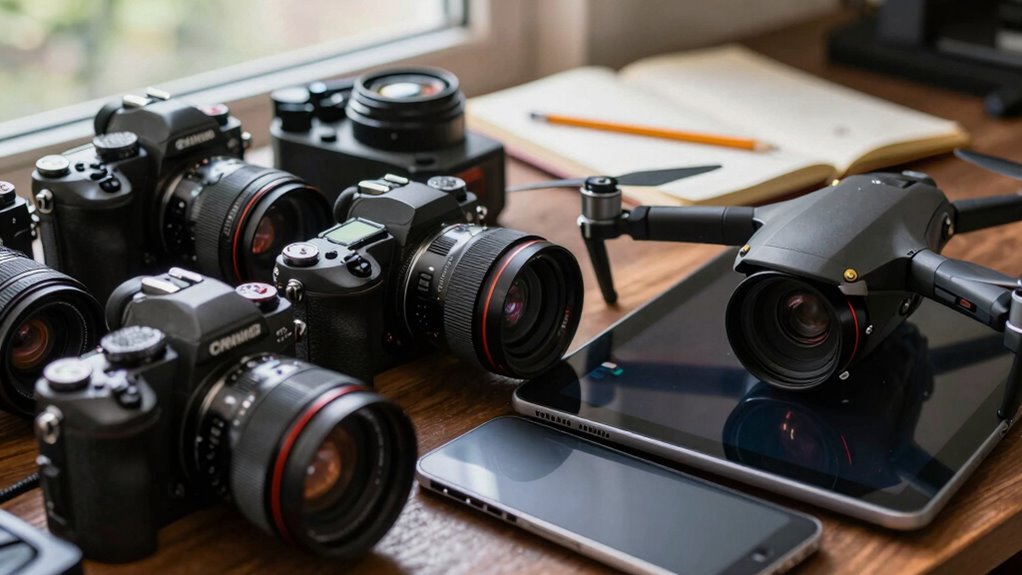
Many creators fall into the trap of purchasing the latest tools before they’ve developed the skills to use them effectively. It’s tempting to chase after shiny new gadgets or software, believing they’ll automatically elevate your work. But this rush often leads to a dangerous cycle of digital dependency, where your reliance on tools outweighs your actual abilities. Instead of focusing on honing your craft, you find yourself spending more time fiddling with settings or troubleshooting features, which only stalls your progress. This pattern can create a sense of skill neglect, where your core talents remain underdeveloped because you’re distracted by the allure of new technology.
Rushing to buy new tools before mastering skills stalls progress and fuels dependency. Focus on learning first.
When you buy into the idea that better tools will compensate for a lack of skill, you fall into a false belief that quality work is just a click away. In reality, tools are merely extensions of your skills—they’re not substitutes. Without foundational knowledge and practice, you might produce technically impressive work that lacks authenticity or depth. Over time, this dependency can become a crutch, making it harder to work independently or innovate without relying on presets, templates, or automation. You may find yourself stuck in a cycle where upgrading tools becomes a never-ending pursuit, but your actual skills stay stagnant.
This digital dependency can also diminish your confidence. Instead of trusting your instincts and learned techniques, you look for the latest features to mask gaps in your understanding. As a result, your growth stalls, and your work becomes increasingly superficial. Each new tool promises to access new possibilities, but without the necessary skills, those promises remain unfulfilled. You might even notice that the more you buy, the less satisfied you feel with your output—because you’re not truly mastering your craft. Instead of building a solid foundation, you’re building a fragile tower of technology that’s vulnerable to obsolescence or bugs. Recognizing the importance of foundational skills is essential to avoid this trap and achieve sustainable growth. Strengthening your core abilities ensures that your use of tools complements your talent rather than replacing it.
As an affiliate, we earn on qualifying purchases.
Frequently Asked Questions
How Can I Identify the Right Skills to Develop First?
To identify the right skills to develop first, start with a skill assessment of your current strengths and gaps. Focus on foundational skills that align with your goals and can reduce tool dependency later. Avoid jumping straight into tools; instead, master essential skills first. This approach guarantees you build a solid base, making tools more effective and preventing the trap of relying on tools without understanding the core skills behind them.
What Are the Risks of Relying Too Heavily on Tools?
If you rely too heavily on tools, you risk developing tool dependency, making it hard to work without them. This can lead to skill neglect, where your foundational abilities weaken over time. Imagine trying to create something complex, but your tools fail—you’ll struggle without the skills that should have been built first. Focusing on mastering core skills guarantees you stay adaptable, even if technology or tools become unavailable.
How Long Should I Focus on Skill-Building Before Using Tools?
You should focus on skill-building for at least several months before relying heavily on tools. This helps prevent tool dependency and skill neglect, ensuring you develop a strong foundation. Mastering core skills first means you understand what tools can genuinely enhance your work, rather than becoming overly dependent on them. Prioritize learning fundamental techniques, then integrate tools gradually, which leads to more effective and sustainable creative growth.
Can Tools Replace Foundational Skills Effectively?
You can’t rely solely on tools; they often lead to tool dependency and skill neglect. Studies show that 80% of creators who focus too early on tools struggle to develop core skills. Tools can enhance your work, but they shouldn’t replace foundational skills. Building your skills first creates a strong base, making tools more effective. Without this balance, you risk becoming dependent and limiting your growth as a creator.
What Are Common Mistakes Creators Make When Choosing Tools?
You often fall into the trap of tool dependency and feature obsession, thinking more tools or complex features will make you better. But a common mistake is prioritizing fancy features over your core skills, leading to cluttered workflows. Instead, focus on mastering essential tools first, then expand as needed. This approach keeps you efficient, confident, and less reliant on constantly chasing new tools to solve problems you can already handle.
fundamental photography lighting kit
As an affiliate, we earn on qualifying purchases.
As an affiliate, we earn on qualifying purchases.
Conclusion
You might find it funny how, just as you finally decide to focus on building your skills, the perfect tool appears out of nowhere. It’s like the universe is nudging you to realize that true mastery comes from practice, not gadgets. So, don’t chase tools blindly; trust that your growth will attract what you need at the right moment. Sometimes, the best “tool” is simply giving yourself time to learn and evolve.
creative skill development courses
As an affiliate, we earn on qualifying purchases.
As an affiliate, we earn on qualifying purchases.
professional video editing software
As an affiliate, we earn on qualifying purchases.
As an affiliate, we earn on qualifying purchases.
Halloween Picks
halloween
As an affiliate, we earn on qualifying purchases.