

When you first start rowing, it feels very hard because your muscles aren’t used to the movement, leading to quick fatigue and soreness. Your muscles need time to adapt through repeated effort, becoming stronger and more efficient. Mental toughness also plays a role in pushing through discomfort. This initial struggle is normal and part of the process of building muscle memory and endurance. Keep going, and you’ll discover how your body gradually improves and gets easier over time.
Key Takeaways
- Muscles are untrained initially, leading to quick fatigue and soreness during early rowing efforts.
- Muscle adaptation occurs gradually through consistent practice, improving efficiency and reducing fatigue over time.
- Mental resilience is crucial to push through initial discomfort and build confidence.
- Repetition helps develop muscle memory and proper technique, making rowing feel easier with practice.
- Progression in training allows the body to handle increased demands, normalizing the difficulty over time.

Have you ever wondered why rowing initially feels so challenging? It’s a common experience, especially if you’re new to the sport. When you start rowing, your body is fundamentally in unfamiliar territory. Your muscles haven’t yet adapted to the specific movements, so they tire quickly and often feel sore. This is because muscle adaptation takes time—your muscles need repeated, consistent effort to become more efficient at handling the demands of rowing. As you continue, your muscles learn to generate more power with less fatigue, but that process doesn’t happen overnight. Initially, your body is working hard to catch up, which explains why you feel exhausted early on.
But it’s not just your muscles that are adjusting. Rowing also demands mental resilience—your ability to push through discomfort and stay focused despite fatigue. When you’re just starting out, it’s easy to get discouraged, but this mental toughness is vital. As you persist through the initial struggles, your confidence grows, and your mind begins to associate rowing with progress rather than pain. Over time, the mental resilience you develop helps you stay motivated during tough workouts, making the physical challenge more manageable. That mental strength becomes a key factor in overcoming the initial difficulty and sticking with your routine.
You might feel like giving up after your first few sessions because your body isn’t used to the repetitive, full-body effort required for rowing. That’s understandable, but it’s also part of the process. Your muscles need those repetitions to strengthen, and your mind needs to learn to focus amid discomfort. Remember, the sensation of difficulty is temporary. It’s a sign your body is signaling it’s working hard to adapt. As you continue to train consistently, your muscles will become more efficient, and your mental resilience will grow stronger. Progressive adaptation is a fundamental principle in physical training, ensuring that your body gradually becomes capable of handling increased demands. Recognizing the importance of muscle memory can also help motivate you, as repeated practice gradually makes the movements feel more natural. Additionally, understanding the role of muscle adaptation can provide reassurance that your efforts will lead to tangible improvements over time. You’ll find that what once felt impossible now feels doable—a confirmation of your body’s remarkable ability to adapt and your mind’s capacity to overcome challenges.
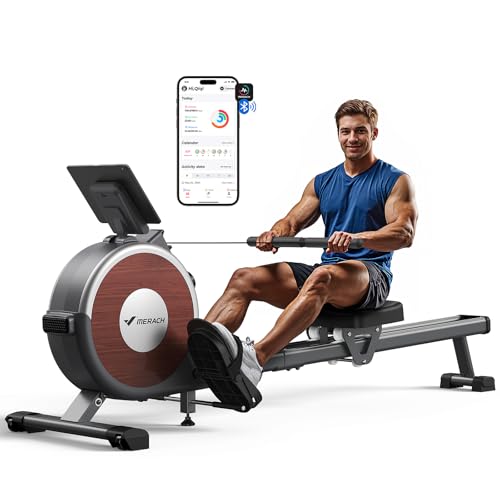
Merach Rowing Machine, Magnetic Rower Machine for Home, 16 Levels of Quiet Resistance, Dual Slide Rail with Max 350lb Weight Capacity, App Compatible with LCD Monitor, Q1S
- App Compatibility: Includes Merach and KINOMAP apps
- Workout Data Tracking: Displays distance, time, calories, and more
- Quiet Magnetic Resistance: Smooth, silent rowing experience
As an affiliate, we earn on qualifying purchases.
As an affiliate, we earn on qualifying purchases.
Frequently Asked Questions
How Long Does It Typically Take to Feel Comfortable Rowing?
You’ll probably start feeling comfortable rowing within a few weeks, as long as you focus on technique adjustment and consistency. It takes time to build endurance, so don’t get discouraged if it feels tough initially. Keep practicing regularly, pay attention to your form, and gradually increase your workout intensity. With patience and persistence, rowing will become more natural, and you’ll notice improvements in both comfort and stamina.
Can Rowing Cause Long-Term Injuries?
Yes, rowing can cause long-term injuries if you’re not careful. To prevent this, make ergonomic adjustments to your rowing machine and technique. Proper form reduces strain on your back, shoulders, and knees, lowering injury risk. Listen to your body, start slowly, and incorporate rest days. Injury prevention is key—focus on correct posture and gradual progress to enjoy rowing safely and sustainably over time.
What Are Common Mistakes Beginners Make?
Nearly 80% of beginners make mistakes that hinder progress, especially in proper technique and equipment selection. You might lean too far back or pull with your arms first, reducing efficiency and risking injury. Focus on maintaining a straight back, engaging your legs, and using proper technique. Selecting the right equipment, like an adjustable damper setting, helps you develop good habits early on. Avoid rushing; patience ensures safe, effective rowing.
How Should I Breathe While Rowing?
When rowing, you should focus on steady breathing techniques to improve oxygen management. Inhale during the recovery phase (when you’re returning to the starting position) and exhale as you drive through the legs and pull the handle. This rhythm helps maintain energy, prevents fatigue, and keeps your form smooth. Practice controlled, deep breaths to stay relaxed and efficient, making your rowing experience more comfortable and effective over time.
Is Rowing Suitable for All Fitness Levels?
Rowing is suitable for all fitness levels because you can modify your rowing technique to match your abilities, starting slowly and building strength over time. Equipment considerations, like choosing a proper boat and adjusting resistance, make it accessible. As you learn proper form and pace yourself, rowing becomes easier and more effective, helping you improve your fitness gradually. It’s a versatile workout that adapts to your progress.
ergometer rowing machine for beginners
As an affiliate, we earn on qualifying purchases.
As an affiliate, we earn on qualifying purchases.
Conclusion
So, when rowing feels tough at first, remember it’s completely normal. Your muscles are adapting, and your technique will improve with time. The initial struggle is just a sign you’re pushing your limits and building strength. Will you let temporary discomfort hold you back from reaping the rewards? Keep going—every stroke gets easier, and soon, you’ll wonder why it ever felt hard. Embrace the challenge, and watch yourself grow stronger with each session.
full-body rowing workout equipment
As an affiliate, we earn on qualifying purchases.
As an affiliate, we earn on qualifying purchases.
indoor rowing machine for muscle building
As an affiliate, we earn on qualifying purchases.
As an affiliate, we earn on qualifying purchases.