
TL;DR

Get the latest gadgets delivered free with Prime
- Fast, free delivery on millions of items
- Prime Video, Amazon Music and more included
- Member-only deals all year
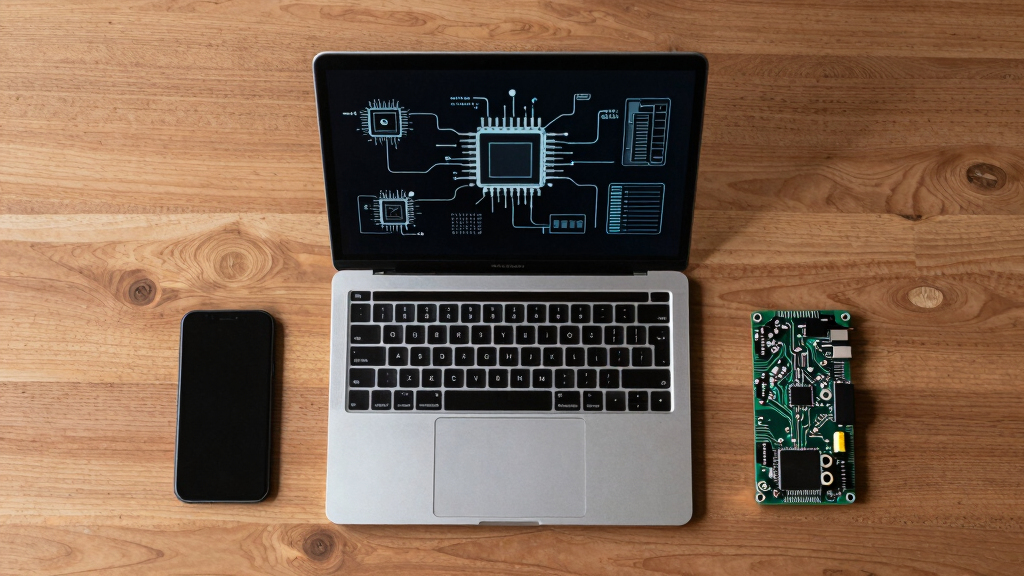
Apple plans to spend $30 billion to design chips domestically in the US, collaborating with Broadcom. This move aims to strengthen supply chain independence and boost US manufacturing.
Apple has revealed it will invest $30 billion to develop and design chips within the United States, partnering with Broadcom. This is a significant move aimed at reducing reliance on foreign manufacturing and strengthening the US supply chain for critical technology components. The announcement underscores Apple’s commitment to domestic manufacturing and innovation, with potential impacts on the broader tech industry and US economic policy.
According to Apple, the company will allocate $30 billion over several years to fund the design of advanced chips in the US. The initiative involves collaboration with Broadcom, a major supplier of semiconductors and chip components. Apple did not specify the exact locations or facilities involved but emphasized that the investment will create thousands of jobs and support local manufacturing ecosystems.
This move is part of Apple’s broader strategy to diversify its supply chain and increase domestic production of critical components amid global geopolitical tensions and supply chain disruptions. The company highlighted that the investment aims to foster innovation and ensure a more resilient supply chain for its future products, including iPhones, Macs, and other devices.
While the financial commitment is confirmed, details about the specific chip types, manufacturing facilities, and timelines remain undisclosed. Industry analysts note that this initiative could reshape the US semiconductor landscape, especially if it leads to the development of next-generation chips domestically.
Why Apple’s $30 Billion US Chip Investment Matters
This investment is significant because it marks one of the largest corporate commitments to US semiconductor manufacturing in recent years. It signals a strategic shift for Apple, aiming to reduce dependency on foreign suppliers and mitigate risks associated with global supply chain disruptions. The move also aligns with broader US government policies promoting domestic chip production to bolster economic security and technological sovereignty.
For consumers and the tech industry, this could lead to faster innovation cycles, improved supply stability, and potential cost benefits over the long term. It may also influence other tech giants to follow suit, accelerating US efforts to regain leadership in advanced semiconductor manufacturing.
As an affiliate, we earn on qualifying purchases.
Background on Apple’s Semiconductor Strategy and US Chip Initiatives
Apple has historically relied on international suppliers, including Broadcom, TSMC, and Samsung, for its chip needs. Over recent years, geopolitical tensions and supply chain vulnerabilities have prompted tech companies to reconsider their manufacturing strategies. The US government has also introduced initiatives like the CHIPS Act to incentivize domestic chip production, aiming to reduce dependence on Asia.
In 2022, Apple announced plans to increase its investment in US manufacturing, but the $30 billion figure marks a substantial escalation. Broadcom, a key partner, has been involved in supplying components for Apple’s devices, but this new investment indicates a shift toward more integrated, in-house design and manufacturing capabilities within the US.
Prior to this, Apple’s chip development has primarily been centered in its design facilities in California, with manufacturing largely outsourced. This recent announcement suggests a strategic move to bring more of this process in-house and domestically, aligning with national policy trends.
“This $30 billion investment underscores our commitment to innovation and manufacturing in the United States, creating thousands of jobs and strengthening our supply chain.”
— Apple spokesperson
As an affiliate, we earn on qualifying purchases.
Details on Chip Types, Locations, and Timeline Still Unclear
It is not yet confirmed which specific chips will be developed or manufactured domestically, nor the precise locations of new facilities. The timeline for deployment and production remains undisclosed, and industry experts are awaiting further details from Apple and Broadcom.
As an affiliate, we earn on qualifying purchases.
Next Steps Include Further Details and Implementation Timeline
Apple and Broadcom are expected to release additional information in the coming months about specific projects, locations, and timelines. Industry observers will monitor for updates on how this investment influences US manufacturing capacity and supply chain resilience.
Additionally, government agencies and industry groups may evaluate the impact of this initiative on broader US semiconductor policies and competitiveness.
domestic chip manufacturing equipment
As an affiliate, we earn on qualifying purchases.
As an affiliate, we earn on qualifying purchases.
Key Questions
What specific chips will Apple develop in the US?
It has not been disclosed which chips will be developed or manufactured domestically. Details are expected in future announcements.
Where will the new manufacturing facilities be located?
Locations have not been announced yet. Apple and Broadcom have indicated that the investment will support multiple sites across the US.
How will this investment impact Apple’s supply chain?
This move aims to diversify and strengthen Apple’s supply chain, potentially reducing reliance on foreign manufacturing and increasing resilience against disruptions.
When will the new chips be available?
Specific timelines have not been provided. Industry analysts expect phased development over the next several years.
Does this mean Apple is moving all chip production to the US?
No, the announcement focuses on design and development investment. Manufacturing may still involve international facilities, but the emphasis is on US-based design and R&D.
Source: google-trends
Halloween Picks
halloween
As an affiliate, we earn on qualifying purchases.