
TL;DR

Get the latest gadgets delivered free with Prime
- Fast, free delivery on millions of items
- Prime Video, Amazon Music and more included
- Member-only deals all year
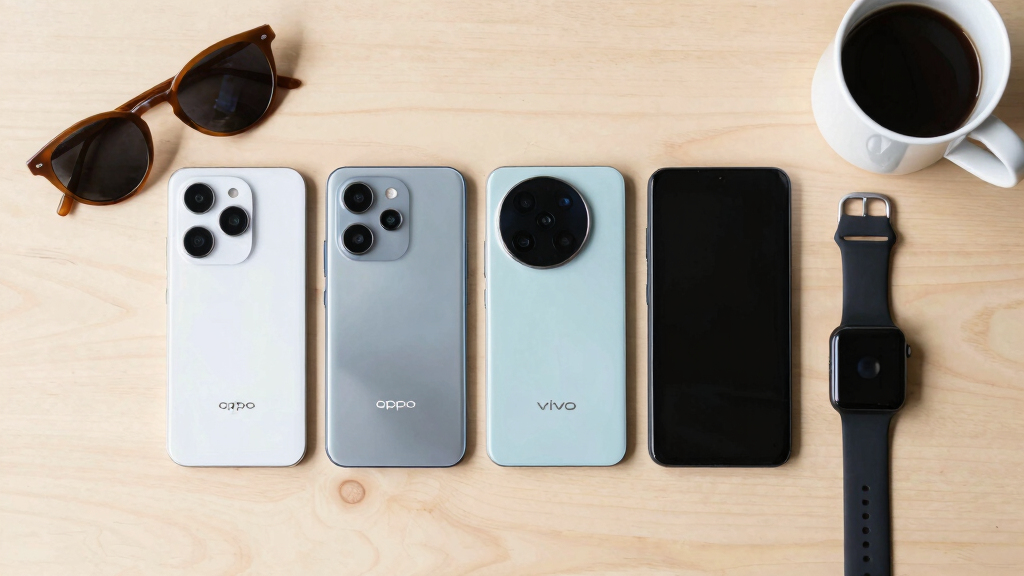
Major Chinese smartphone brands Xiaomi, Oppo, and Vivo are reducing their 2026 shipment targets by up to 30%. This move reflects ongoing challenges like rising costs and component shortages, impacting their market outlook.
Major Chinese smartphone manufacturers Xiaomi, Oppo, and Vivo have announced plans to cut their shipment targets for 2026, with some reductions reaching up to 30%. The move is driven by ongoing rising costs and unprecedented component shortages, according to multiple sources briefed on the matter. This marks a repeat of earlier adjustments amid a challenging supply chain environment, signaling continued caution among these key players in the Chinese market.
Sources familiar with the matter confirmed that Xiaomi, Oppo, and Vivo have informed their supply chain partners of a second round of target reductions for 2026. While initial forecasts were more optimistic, the persistent cost inflation and shortages of critical electronic components have compelled these companies to scale back their shipment ambitions. The reductions are estimated to be as high as 30% in some cases, reflecting a cautious outlook amid ongoing global supply chain disruptions.
These adjustments come despite previous efforts to stabilize production and meet earlier sales goals. Industry insiders suggest that the companies are prioritizing cost control and inventory management in response to volatile market conditions. It remains unclear how these cuts will influence their overall market share or competitive positioning in the Chinese and global smartphone markets.
Impacts of Shipment Target Cuts on Chinese Smartphone Market
The decision by Xiaomi, Oppo, and Vivo to lower their shipment targets underscores the ongoing supply chain challenges faced by major technology manufacturers. These reductions could influence product launch schedules, sales volumes, and pricing strategies. Industry analysts are observing these developments as part of the broader market environment for Chinese smartphone brands in 2026, amid economic and logistical uncertainties.
smartphone accessories for Xiaomi Oppo Vivo
As an affiliate, we earn on qualifying purchases.
As an affiliate, we earn on qualifying purchases.
Supply Chain Challenges and Market Conditions in 2026
Since late 2022, Chinese smartphone makers have encountered increased costs, component shortages, and geopolitical tensions that have affected global supply chains. Companies such as Xiaomi, Oppo, and Vivo initially set ambitious shipment targets for 2026, but these have been revised downward multiple times as they contend with chip shortages, inflation, and logistical delays. Despite efforts to diversify supply sources and optimize production processes, persistent challenges have led to further adjustments in their shipment plans for 2026.
“Xiaomi, Oppo, and Vivo have informed suppliers of significant reductions in their shipment targets for 2026, citing ongoing supply chain issues.”
— an industry source familiar with the matter
As an affiliate, we earn on qualifying purchases.
Unconfirmed Details About Future Shipment Plans
The extent of the final reductions and whether other Chinese manufacturers will implement similar adjustments are still uncertain. The impact on upcoming product lines and the companies’ market shares remains to be seen. Industry observers continue to monitor these developments as supply chain conditions evolve.
smartphone screen protectors for Chinese brands
As an affiliate, we earn on qualifying purchases.
As an affiliate, we earn on qualifying purchases.
Next Steps and Market Responses in 2026
Industry analysts expect Xiaomi, Oppo, and Vivo to continue assessing supply chain conditions and adjusting their shipment targets accordingly. Further updates are anticipated as the companies finalize their revised plans and release quarterly sales data. Market reactions from consumers and investors are likely to develop over the coming months, influencing the competitive landscape in both Chinese and global markets.
smartphone battery replacement tools
As an affiliate, we earn on qualifying purchases.
As an affiliate, we earn on qualifying purchases.
Key Questions
Why are Xiaomi, Oppo, and Vivo reducing their shipment targets?
They are adjusting their shipment expectations due to ongoing challenges related to rising costs and component shortages that have affected production capacity.
How much are the shipment targets being cut?
Sources indicate reductions of up to 30% in some cases, though specific figures may vary as plans are finalized.
Will these cuts affect consumer availability of smartphones?
Potentially, as lower shipment targets could result in delays or reduced availability of certain models, but details are still being determined.
Could other Chinese brands also reduce their targets?
This possibility has not been confirmed; current reports focus on Xiaomi, Oppo, and Vivo, but further adjustments across the industry are possible if supply issues persist.
What does this mean for the global smartphone market?
The reductions may influence market supply, pricing, and competitive dynamics, especially if major Chinese brands face ongoing production constraints.
Source: Nikkei Asia
Halloween Picks
halloween
As an affiliate, we earn on qualifying purchases.