
TL;DR

Get the latest gadgets delivered free with Prime
- Fast, free delivery on millions of items
- Prime Video, Amazon Music and more included
- Member-only deals all year
Keychron has announced the release of its first open-source firmware for gaming mice, allowing users and developers to customize and modify device behavior. This move aims to foster community-driven improvements and transparency in gaming peripherals.
Keychron has announced the release of its first open-source firmware for gaming mice, making it available to the public for customization and development. This marks a significant shift for the company, traditionally known for keyboards, as it enters the gaming peripherals market with a focus on transparency and community engagement. The firmware release is expected to enable users and developers to modify device behavior, improve performance, and create tailored configurations.
According to Keychron, the open-source firmware is compatible with select gaming mice models and is hosted on a public repository, allowing anyone to access, modify, and contribute to the codebase. The company stated that this move aligns with its broader strategy to support open standards and foster a developer community around its products. Keychron emphasized that the firmware is designed to be user-friendly, with documentation provided to assist in customization. The announcement has garnered attention from both the gaming and maker communities, who see this as a step toward more transparent and customizable gaming hardware options.While the firmware’s technical specifications and compatibility details are still being clarified, Keychron confirmed that it will regularly update the firmware based on community feedback. The company also indicated that it plans to release SDKs and tools to facilitate further development. Industry analysts see this as a notable development, as open-source firmware in gaming peripherals remains relatively uncommon, with most companies maintaining proprietary software.
Implications for Gaming Hardware Customization
This move by Keychron could significantly influence the gaming peripherals market by setting a precedent for open-source firmware. It offers gamers and developers the ability to tailor device performance, potentially leading to more personalized and innovative gaming experiences. For the broader industry, this could encourage other manufacturers to adopt more transparent practices, fostering a community-driven approach to hardware development that emphasizes user control and modifiability. Additionally, it may impact warranty policies and support models, as users modify firmware independently.
As an affiliate, we earn on qualifying purchases.
Keychron’s Shift Toward Open Hardware Initiatives
Keychron, established in 2017, is primarily known for its mechanical keyboards and accessories. The company has gradually expanded into gaming peripherals, with gaming mice becoming a recent addition to its product lineup. Historically, most gaming peripheral manufacturers have kept firmware proprietary, limiting user modifications. The release of open-source firmware aligns with broader trends in the maker community and open hardware initiatives, emphasizing transparency, user empowerment, and collaborative development. This announcement follows other industry efforts to introduce more open standards, although open-source firmware for gaming mice remains relatively rare.
As an affiliate, we earn on qualifying purchases.
Details Still Emerging on Firmware Compatibility and Support
It is not yet clear which specific models of gaming mice will support the open-source firmware or how extensive the customization options will be. The technical documentation and community tools are still in development, and user experiences with firmware stability and security remain to be seen. Additionally, the impact on warranty and official support policies has not been clarified, raising questions about long-term usability and manufacturer support.
As an affiliate, we earn on qualifying purchases.
Upcoming Community Engagement and Firmware Updates
Keychron plans to release detailed documentation, SDKs, and tools to facilitate community development in the coming weeks. The company will likely monitor user feedback and release iterative firmware updates. Industry observers expect community forums and developer groups to form around this initiative, potentially leading to custom modifications, new features, and broader adoption. The next steps include user testing, community contributions, and possible expansion to other peripherals.
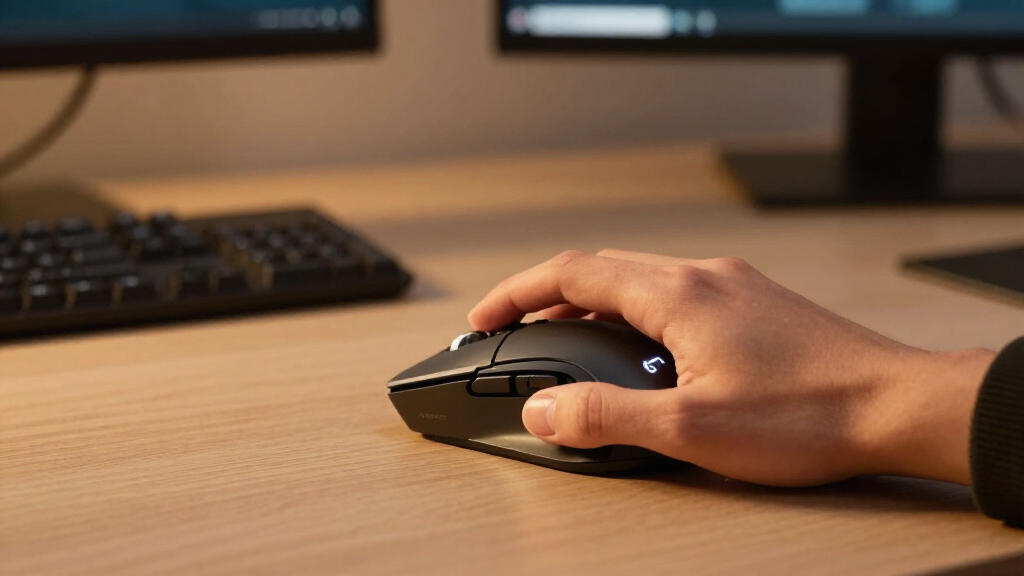
gaming mouse with open source firmware
As an affiliate, we earn on qualifying purchases.
As an affiliate, we earn on qualifying purchases.
Key Questions
Which Keychron gaming mice will support the open-source firmware?
Keychron has not yet specified which models will support the firmware, but initial compatibility will focus on select recent gaming mice. Details are expected to be announced soon.
Can I modify the firmware without voiding my warranty?
This remains unclear. Keychron has not specified warranty policies related to firmware modifications, and users should proceed with caution until official guidance is provided.
Will the open-source firmware improve gaming performance?
Potentially, yes. Customization options could allow users to optimize settings for their preferences, but actual performance improvements will depend on individual modifications and community-developed features.
Is the firmware safe to use?
As with any firmware modification, there are inherent risks. Keychron has emphasized that documentation and tools will be provided to support safe customization, but users should be aware of potential security and stability issues.
Source: hn
Halloween Picks
halloween
As an affiliate, we earn on qualifying purchases.