To stay ahead in 2025, you need to embrace lifelong learning by developing digital literacy and emotional intelligence. This means staying updated with new technologies, understanding data security, and effectively maneuvering through online environments. Equally important is managing your emotions, empathizing with others, and building strong relationships. Combining these skills will help you adapt, innovate, and thrive in a fast-changing world. Keep exploring, and you’ll discover how to continuously improve and seize emerging opportunities.
Key Takeaways
- Cultivate a growth mindset to continuously adapt and develop new skills in a rapidly changing environment.
- Enhance digital literacy by mastering emerging technologies, cybersecurity, data analysis, and credible information discernment.
- Strengthen emotional intelligence through self-awareness, empathy, and effective communication to build resilient relationships.
- Engage regularly in online learning, workshops, and tech trend exploration to stay current and innovative.
- Combine digital skills with emotional intelligence to leverage new opportunities and navigate complex work and social landscapes.

Have you ever wondered how some people continuously adapt and thrive in a rapidly changing world? The answer often lies in their commitment to lifelong learning and their ability to develop essential skills that keep them ahead. In 2025, staying relevant means embracing a mindset of growth, especially in areas like digital literacy and emotional intelligence. These skills aren’t just buzzwords; they’re indispensable tools that empower you to navigate the complexities of modern work and social environments effectively.
Digital literacy is more than just knowing how to operate a computer or use social media. It’s about understanding how digital tools influence your daily life and career, and knowing how to leverage them responsibly and creatively. As technology evolves at a breakneck pace, your ability to stay updated with new software, platforms, and cybersecurity practices becomes imperative. This skill allows you to work efficiently, collaborate across borders, and innovate in ways that weren’t possible before. For instance, mastering data analysis or cybersecurity can open doors to new opportunities, making you indispensable in many industries. Moreover, digital literacy helps you discern credible information from misinformation, a skill that’s increasingly important in the age of information overload.
Digital literacy enables responsible use of technology, enhances collaboration, and opens doors to new opportunities in a rapidly evolving digital world.
Alongside digital skills, emotional intelligence plays a pivotal role in your lifelong learning journey. It’s about understanding and managing your emotions, empathizing with others, and building meaningful relationships. As workplaces become more collaborative and diverse, your ability to communicate effectively and handle interpersonal dynamics becomes a competitive advantage. Emotional intelligence helps you stay resilient when facing setbacks and adapt to change with a positive attitude. It also enhances your capacity for leadership, conflict resolution, and teamwork. By cultivating emotional intelligence, you foster a growth mindset that encourages continuous improvement and openness to feedback—key ingredients for lifelong learning. Additionally, developing skills like emotional regulation can significantly improve your ability to maintain focus and composure in challenging situations.
In practice, developing these skills involves a proactive approach. You can take online courses to improve your digital literacy, attend workshops, or simply stay curious about new tech trends. Simultaneously, practicing active listening, developing self-awareness, and seeking feedback build your emotional intelligence. These efforts create a feedback loop, reinforcing your ability to learn, adapt, and grow. When you combine digital literacy with emotional intelligence, you’re better equipped to handle complex challenges, collaborate effectively, and seize emerging opportunities. As the world evolves, so should you—by continuously sharpening these skills, you guarantee that you stay adaptable, relevant, and prepared for whatever the future holds.

MTEL Digital Literacy and Computer Science (71) Secrets Study Guide: MTEL Review and Practice Exam for the Massachusetts Tests for Educator Licensure
As an affiliate, we earn on qualifying purchases.
As an affiliate, we earn on qualifying purchases.
Frequently Asked Questions
How Can Older Adults Effectively Adopt Lifelong Learning Practices?
You can effectively adopt lifelong learning by engaging in intergenerational mentoring, which enriches your perspective and skills. Use adaptive learning strategies to tailor your education to your pace and interests, making learning enjoyable and manageable. Stay curious, seek new experiences, and connect with others to motivate yourself. Embracing change and continuous growth helps you stay relevant and confident in a rapidly evolving world.
What Role Does Technology Play in Facilitating Continuous Education?
Technology gently guides your learning journey, making education more accessible and engaging. Virtual classrooms break down geographical barriers, offering flexible study options, while AI tutors provide personalized support, adapting to your pace and needs. These tools create a seamless learning experience, empowering you to acquire new skills effortlessly. By embracing these innovations, you stay ahead, continuously growing and evolving in a rapidly changing world.
How Do Cultural Differences Influence Lifelong Learning Approaches?
Cultural differences shape your lifelong learning approaches by influencing your learning style preferences and how you engage in cross-cultural collaboration. You might adapt your methods to fit diverse perspectives, valuing collaborative learning or independent study depending on cultural norms. Recognizing these differences helps you connect better with others, fostering more effective teamwork and knowledge-sharing, ultimately enriching your ongoing education and ensuring you stay adaptable in a globalized world.
What Are the Best Resources for Free Lifelong Learning Courses?
Imagine a vast digital library where knowledge flows like a river. You can plunge into free online platforms like Coursera, edX, and Khan Academy, offering courses across disciplines. Certification programs are like badges of honor, boosting your credibility. Many courses are free, with optional paid certificates. These resources empower you to learn at your own pace, keeping your skills sharp and future-proof in a rapidly changing world.
How Can Employers Support Employees’ Ongoing Skill Development?
You can support employees’ ongoing skill development by implementing mentorship programs that foster growth and knowledge sharing. Encourage regular skill assessments to identify gaps and tailor training opportunities. Provide access to online courses and workshops, and promote a culture that values continuous learning. When you prioritize these initiatives, you empower your team to stay adaptable, innovative, and prepared for future challenges.

Cybersecurity for Beginners: A Hands-On Guide to Ethical Hacking and Defense: Master Real-World Skills Through Labs, Tools, and Practical Challenges
As an affiliate, we earn on qualifying purchases.
As an affiliate, we earn on qualifying purchases.
Conclusion
By embracing lifelong learning, you stay adaptable and competitive in a rapidly changing world. Remember, a recent survey found that 85% of jobs in 2030 haven’t been invented yet, highlighting the importance of continuously updating your skills. Keep learning new things, stay curious, and be open to change. That way, you’ll not only survive but thrive in 2025 and beyond. Your future success depends on your commitment to growth today.
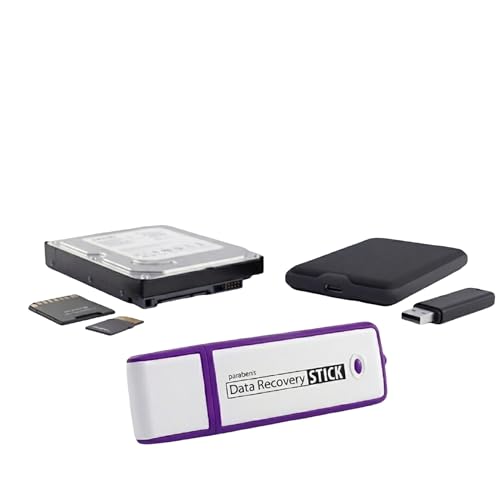
Data Recovery Stick – Recover Deleted Files from Windows Computers and Storage Devices
Data Recovery Stick (DRS) can help you with data recovery on Windows Computers easily and quickly. Just plug…
As an affiliate, we earn on qualifying purchases.
As an affiliate, we earn on qualifying purchases.

THE "OH CRAP THEY'RE GONE' GUIDEBOOK PASSWORD KEEPER BOOK: Securely Record Your Online Logins and Passwords for the Ones You Love – A 100-Page Legacy Journal for peace of mind.
As an affiliate, we earn on qualifying purchases.
As an affiliate, we earn on qualifying purchases.