
The 2-minute rule, developed from productivity expert David Allen’s principles, simplifies habit formation by encouraging you to start small—just two minutes. This approach lowers resistance, making it easier to begin new routines without feeling overwhelmed. By focusing on quick, manageable actions, you build momentum and consistency that naturally grow over time. If you stay with this method, you’ll discover how tiny steps can lead to long-lasting habits—more tips await to help you succeed.
Key Takeaways
- Break larger habits into small, manageable two-minute tasks to lower resistance and ease initiation.
- Use habit stacking by linking new two-minute habits to existing routines for seamless integration.
- Focus on starting the task, not completing it, to build momentum and reduce overwhelm.
- Reinforce consistency by scheduling daily two-minute actions and tracking progress.
- Celebrate small wins to boost motivation and gradually extend habits over time.

Undated Weekly Planner- Weekly Goals Notebook, A5 To Do List Planner, Habit Tracker Journal with Spiral Binding, 5.7 x 8.0 inches
52 Weeks Undated Planner:Write down and prioritize your Weekly goals & to do list and then assign tasks…
As an affiliate, we earn on qualifying purchases.
As an affiliate, we earn on qualifying purchases.
Where Did the Two-Minute Rule Come From?

Have you ever wondered where the two-minute rule originated? Its history origins trace back to productivity expert David Allen, who introduced it in his book “Getting Things Done.” The psychological basis behind the rule is rooted in making tasks seem less intimidating, reducing procrastination, and lowering activation energy needed to start. The idea is that if a habit or task takes less than two minutes, you’re more likely to do it immediately. This concept leverages our natural tendency to avoid resistance and inertia. Additionally, understanding task initiation helps explain why the two-minute rule is so effective at fostering consistent habits. Recognizing the role of cognitive ease further clarifies how small, manageable actions can lead to long-term behavioral change. The principle also aligns with behavioral psychology, which emphasizes how simplicity and ease increase the likelihood of behavior adoption. Over time, small actions built on this principle can snowball into significant habits. The simplicity of the two-minute rule makes it an effective tool, grounded in understanding how our minds respond to manageable, quick tasks.

Rotating Pomodoro Timer 5, 25, 10 50 Minutes Preset, Desk Productivity Flip Timer, ADHD Tool Cube Countdown Stopwatch, Vibration/High/Low Volume/Custom Modes, for Work, Study, Back to School, Kitchen
A Real Pomodoro Task Timer. The pomodoro technique is a time management method based on 25-minute stretches of…
As an affiliate, we earn on qualifying purchases.
As an affiliate, we earn on qualifying purchases.
How the Two-Minute Rule Makes Habit Formation Easy

The two-minute rule simplifies habit formation by breaking down larger goals into manageable, quick actions that you can complete immediately. This approach makes starting easier and helps you build momentum. By focusing on small, initial steps, you reduce procrastination and lower the barrier to action. To enhance this process, you can incorporate habit stacking—linking new habits to existing routines—making it even easier to stick with new behaviors. Additionally, this method encourages you to:
- Break complex tasks into two-minute segments
- Focus on consistent, small wins
- Reduce the mental resistance to starting
- Establish a routine that becomes automatic over time
- Leverage energy-efficient cloud servers to support sustainable digital habits
- Recognize the importance of initial small actions as the foundation for lasting change
- Understanding how habit formation principles can optimize your success in building new routines
- Incorporate water conservation practices to make your routines more environmentally friendly
- Remember that environmentally friendly habits can be integrated seamlessly into daily routines for greater impact
These strategies help you form habits effortlessly, turning deliberate effort into natural actions.
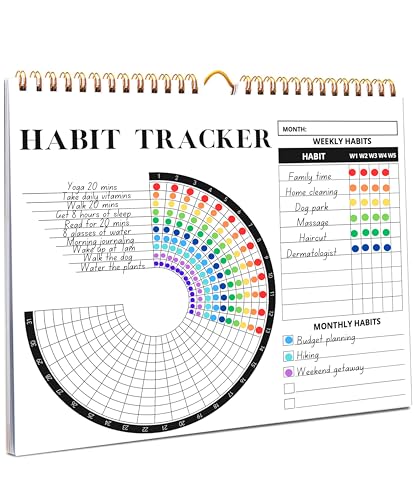
Lamare 2026 Habit Tracker Calendar – Premium Daily Habit Tracker Journal and Goal Board, Workout Motivation & Productivity Tool
Durable & Premium Quality – This habit calendar and habit journal features a thick cardboard cover and 120…
As an affiliate, we earn on qualifying purchases.
As an affiliate, we earn on qualifying purchases.
Real-Life Examples: Applying the Two-Minute Rule Daily

Practicing the two-minute rule in daily life is simple and effective when you start with small, manageable tasks. For example, you can habit stack by placing your workout shoes by the door, prompting you to put them on for just two minutes. This tiny step often leads to longer exercise sessions. Partnering with accountability partners helps reinforce consistency—sharing your progress or committing to a quick task daily boosts motivation. You might text a friend to do a two-minute meditation together or share your goal of tidying up a small area each day. These small actions become automatic over time, and the accountability keeps you engaged. Additionally, incorporating elements of your local culinary scene, such as trying a new restaurant or exploring live music venues, can add enjoyable variety and reinforce positive habits. Remember, the key is to focus on starting, not finishing, and gradually build momentum. Recognizing the importance of habit formation techniques like micro-habits can also enhance your success.

Undated Weekly Planner, Weekly To Do List Notebook with Goal & Habit Tracker Organizer, A5 Weekly Planner Notebook with Spiral Binding, 6.1" x 8.2" – Green
Efficient Weekly Planning – Utilize the 52 Weeks Undated Planner to articulate and prioritize weekly goals and to-do…
As an affiliate, we earn on qualifying purchases.
As an affiliate, we earn on qualifying purchases.
Overcoming Common Challenges When Using the Two-Minute Rule

Even with small, manageable tasks, obstacles can arise that make sticking to the two-minute rule challenging. Motivation barriers and consistency issues are common hurdles you might face. To overcome them:
Even small tasks can face obstacles; stay motivated and consistent to keep the habit going.
- Remind yourself of the long-term benefits to boost motivation.
- Set specific, achievable goals to maintain focus.
- Track your progress to build a sense of accomplishment.
- Create cues or triggers to make starting easier.
- Incorporate Free Floating elements into your environment to make habit formation more seamless. Recognizing the importance of a supportive environment can also help in reducing friction and maintaining consistency. Additionally, understanding habit formation principles can guide you in designing routines that stick more effectively. For example, making habits automatic involves reducing decision fatigue and establishing consistent cues. Incorporating behavioral cues can further reinforce these routines and make habits more resilient over time. These strategies help you push through dips in motivation and reinforce consistent habits. Remember, setbacks are normal—what matters is your commitment to restart and stay on track. The key is to make the habit as effortless as possible, reducing friction and making it easier to follow through every day.
Building Bigger Habits From Small Two-Minute Starts

Starting with small two-minute tasks can lay a strong foundation for larger habits, as they make the process less intimidating and easier to sustain. By focusing on manageable steps, you improve your motivation and build momentum. Use effective motivational strategies to celebrate tiny wins, reinforcing your commitment. Time management plays an essential role—schedule these quick tasks daily to guarantee consistency. As your confidence grows, gradually extend the duration or complexity of your habits. Incorporating personalized care can further support your efforts by adapting habits to individual needs and capabilities. Recognizing the importance of sticking wall decor can inspire you to create a supportive environment that encourages ongoing habit development. Additionally, understanding how cruise ship experiences are crafted can motivate you to design appealing environments for your habits. Embracing elements of smart home technology like adaptive lighting or voice assistants can also enhance your habit-building environment, making routines more seamless. Here’s a simple guide:
| Small Habit | Motivation Strategy | Time Management Tip |
|---|---|---|
| Reading 2 min | Reward yourself after completion | Set a specific time daily |
| Stretching | Track your progress | Use reminders or alarms |
| Journaling | Visualize benefits | Keep supplies handy |
| Drinking water | Celebrate small successes | Incorporate into routine |
This approach transforms small efforts into significant, lasting habits.
Frequently Asked Questions
Can the Two-Minute Rule Work for Long-Term Behavioral Change?
Yes, the two-minute rule can support long-term behavioral change by building behavioral consistency. When you start small, like habit stacking, you make it easier to stick with new routines over time. This simplicity reduces resistance and helps integrate habits into your daily life. As these habits become automatic, they reinforce each other, making sustained change more achievable and seamless in the long run.
What Tools or Apps Support the Two-Minute Rule?
You can use apps like Habitica, Loop, or Streaks to support the two-minute rule. These tools make habit tracking and goal setting easy, helping you start small and build momentum. By actively recording your progress, you reinforce your new habits and stay motivated. These apps turn habit formation into a manageable, engaging process, making it more likely you’ll stick with your goals over the long term.
How Do I Stay Motivated to Start Small Habits Daily?
To stay motivated to start small habits daily, use motivational strategies like visualizing your progress and celebrating small wins. Habit tracking apps keep you accountable and show your improvement over time, boosting your confidence. Remind yourself of the benefits and focus on consistency rather than perfection. By making each step manageable and tracking your habits, you’ll build momentum and stay motivated to stick with your new routines.
Does the Rule Apply to Group or Team Habits?
Yes, the 2-Minute Rule applies to group or team habits. You can leverage group dynamics by setting small, quick tasks that everyone commits to, fostering team accountability. When each member starts with a simple, manageable action, it encourages consistency and momentum. As everyone builds these tiny habits together, the team naturally develops a culture of progress, making larger goals more achievable through collective, sustained effort.
Are There Habits That Shouldn’t Use the Two-Minute Rule?
You shouldn’t apply the 2-minute rule to complex habits or those triggered by strong emotions. Trying to simplify something emotionally charged or intricate can backfire, making change feel overwhelming or impossible. Complex habits require more time, patience, and strategy. Rushing into them with a quick-start approach might just ignite frustration or resistance. Instead, break them down gradually, respecting their depth, so you build sustainable, lasting change without emotional burnout.
Conclusion
Think of the two-minute rule as planting a tiny seed in your mind. With consistent care, that seed grows into a mighty tree, shaping your habits effortlessly. Small actions might seem insignificant, but they hold the power to transform your life over time. Embrace this simple rule as your daily compass, and watch as your habits blossom into lasting change—proof that even the smallest step can lead to extraordinary growth.