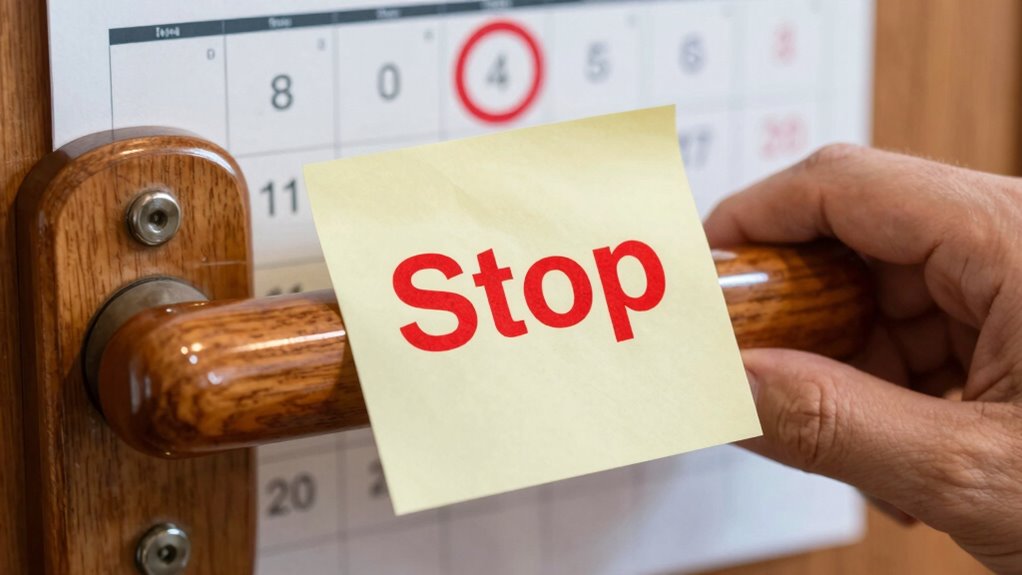

To break bad habits faster, increase the effort needed to engage in them. Identify triggers and add friction by uninstalling apps, rearranging your environment, or setting up barriers that make these habits less convenient. Small adjustments, like changing settings or moving tempting items out of reach, weaken automatic behaviors over time. Building friction helps disrupt patterns and fosters healthier choices. Keep exploring strategies that can make habit change easier and more lasting.

Get the latest gadgets delivered free — and shop member deals
- Fast, free delivery on millions of items
- Access to Prime Big Deal Days deals on October 6–7
- Prime Video, Amazon Music and more included
Key Takeaways
- Identify habit triggers and increase effort or steps needed to access the bad habit.
- Remove or hide tempting items to make indulgence less convenient.
- Uninstall or disable apps and change settings to add friction for digital habits.
- Modify your environment to create physical barriers around triggers.
- Incorporate cues and routines that promote healthier behaviors and reduce automaticity.
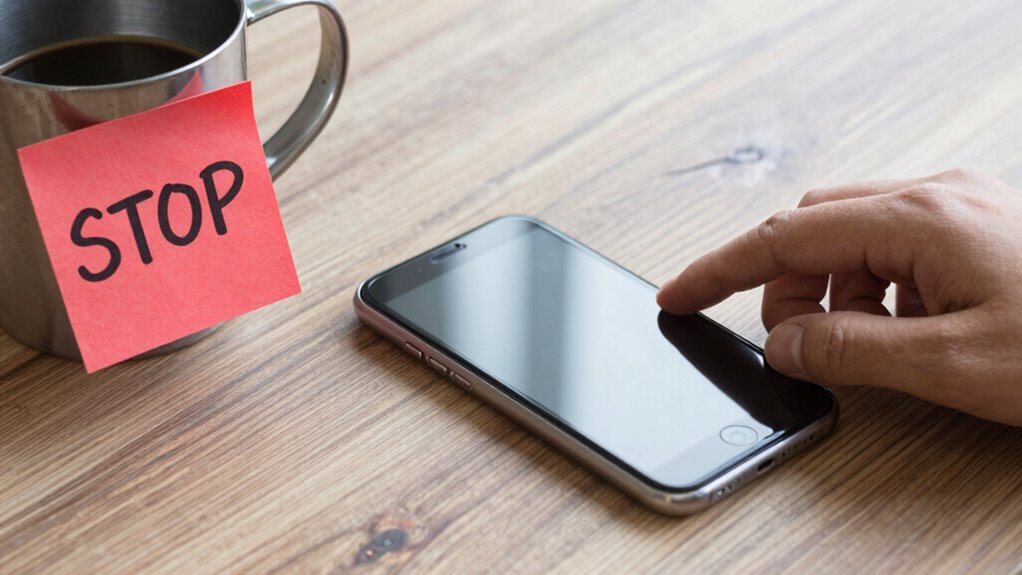
Breaking bad habits can feel like an uphill battle, especially when the urge to indulge is strong. But by leveraging the concept of friction, you can make it easier to stop these behaviors faster. Friction acts as a hurdle, making it less convenient or appealing to carry out the habit you want to break. When you add friction to your routines, you disrupt the natural flow of habit formation, which is essential for behavioral change. The goal is to create enough resistance so that your old habits become less automatic and easier to override with healthier choices.
Start by examining your current routines and identifying the triggers that lead to your bad habits. Once you understand what prompts these behaviors, you can introduce friction at those critical moments. For example, if you tend to snack mindlessly while watching TV, move the snack out of reach or replace it with a less tempting alternative. If you find yourself scrolling through social media impulsively, uninstall the app or change your settings to require more steps to access it. These small adjustments increase the effort needed to indulge, which naturally discourages the behavior. Over time, this added effort can weaken the habit’s grip, allowing your mind to shift toward better behavioral change. Recognizing the importance of habit formation can help you design more effective strategies for lasting change. Additionally, understanding how behavioral triggers influence your actions enables you to tailor friction techniques more precisely. Incorporating environmental cues that promote positive habits can further support your efforts by making healthier choices more automatic.
Another useful approach is to adjust your environment, which can significantly reduce the likelihood of engaging in the undesired habit.
As an affiliate, we earn on qualifying purchases.
Frequently Asked Questions
Can Friction Be Effective for All Types of Habits?
Friction can be effective for many habits, but its success depends on habit complexity and your individual differences. Simpler habits, like snacking less, respond well to added obstacles, making it harder to indulge. However, complex habits, such as quitting smoking, may require a combined approach. Your personality, motivation, and environment influence how well friction works, so tailor strategies to your unique situation for the best results.
How Quickly Can I Expect to See Results Using Friction?
You might start noticing behavioral change within days to a few weeks when using friction, but it varies based on your habit formation. Friction accelerates breaking bad habits by making them less convenient, so you see quicker results if the habit is simple or less ingrained. Consistency is key; the more persistent you are, the faster you’ll disrupt the cycle and reinforce healthier behaviors. Expect gradual change, but with effort, noticeable shifts come sooner.
Are There Any Risks or Downsides to Increasing Friction?
Adding friction is like adding guardrails on a winding road. While it helps steer you away from bad habits, it can also bring behavioral risks and unintended consequences, like frustration or avoidance. You might become resistant or find new, unhealthy ways to bypass barriers. Be mindful of these risks, and adjust your approach if you notice increased stress or unintended setbacks, ensuring friction helps rather than hinders your progress.
How Do I Maintain Motivation While Adding Friction?
You stay motivated by focusing on your behavioral triggers and habit triggers, making them less appealing or more effortful. When you add friction, remind yourself of your long-term goals and how reducing temptation aligns with them. Celebrate small wins to reinforce progress, and visualize the benefits of change. Connecting each friction point to your motivation helps you stay committed, even when the process feels challenging.
What Are Some Examples of Friction Techniques for Different Habits?
Research shows that habits tied to environmental cues are easier to change. For example, if you want to stop snacking late at night, move snacks out of sight or replace your habit trigger with a different cue. To break a habit like checking your phone, turn it off or leave it in another room. These friction techniques leverage habit triggers and environmental cues to make unwanted behaviors less convenient and easier to break.
As an affiliate, we earn on qualifying purchases.
Conclusion
By introducing friction into your routines, you can make bad habits harder to perform and easier to break. Remember, research shows it takes an average of 66 days to form a new habit, so making small changes now can have lasting effects. When you intentionally create obstacles or discomfort around your unwanted behaviors, you’ll find it easier to resist temptation. Stick with these strategies, and you’ll be surprised how quickly bad habits lose their grip on you.
As an affiliate, we earn on qualifying purchases.
As an affiliate, we earn on qualifying purchases.
Halloween Picks
halloween
As an affiliate, we earn on qualifying purchases.