
TL;DR

Get the latest gadgets delivered free with Prime
- Fast, free delivery on millions of items
- Prime Video, Amazon Music and more included
- Member-only deals all year
Wireless earbuds with noise cancellation use microphones and signal processing to reduce some outside sounds, especially steady low-frequency rumble. Their ear tips also block sound physically, but neither ANC nor a good seal makes an environment silent or replaces certified hearing protection. Choose by fit, daily setting, battery life, call quality, and device compatibility, then judge performance under the conditions you will actually use.
The train is rattling, someone is tapping on a keyboard, and your music is already louder than you meant it to be. Noise-cancelling earbuds can make that commute easier, but they cannot turn a crowded carriage into a silent room.
This guide explains what they are, how active noise cancellation differs from the seal of an ear tip, and what to check before you buy. You’ll also learn why battery claims can be hard to compare, why ANC does not automatically improve phone calls, and how to choose for the places you spend your time.
For example, the right pair for a long flight may not be the right pair for a rainy walk or a day of video calls. Start with your routine and your comfort. The specifications make more sense once you know what job you need the earbuds to do.
ANC most reliably reduces steady low-frequency sounds such as airplane and train rumble; voices and sudden noises may remain audible.
Ear-tip fit provides passive isolation and can affect both comfort and bass response, even with ANC turned off.
Compare battery estimates with ANC on and check the test conditions, since calls, volume, features, and battery age change real-world runtime.
Listening ANC does not guarantee clear call microphones, and earbuds with ANC are not certified hearing protection.
Choose features around your daily setting: travel, office calls, and exercise place different demands on fit, controls, connectivity, and durability.
How ANC reduces steady rumble—and where it falls short
Wireless earbuds with noise cancellation use microphones and signal processing to reduce some outside sounds, with the strongest results usually coming against steady, low-frequency noise. In plain terms, the earbuds listen to the rumble around you and produce sound that counters part of it. You may notice the bus engine fade into the background while a nearby passenger’s words still come through.
The technology is called active noise cancellation (ANC). It differs from passive isolation, which comes from the ear tips physically sealing your ear canals. A snug seal can block some outside sound and support bass response, while ANC handles additional noise electronically. The two work together; neither makes every sound disappear.
That difference matters in real life. On an airplane, the steady drone may become less tiring, but a flight attendant’s announcement or a sudden clatter can remain audible. At a café, ANC might soften the air conditioner without removing nearby conversation. Voices change in pitch and timing, so they are harder to cancel consistently than an engine’s continuous hum.
ANC reduces some noise; it does not create silence. Treat it as one part of a listening setup, alongside fit, volume, and awareness of what is around you.
Many earbuds also offer a transparency or ambient mode, which uses outside microphones to let more sound through. That can help when you need to hear a quick question, though the result may not sound fully natural. Try switching modes in the places you actually use your earbuds; a mode that feels clear at home may sound different beside a busy street.
Products Worth Considering

Bose QuietComfort Wireless Noise-Cancelling Headphones, Cypress Green

Kindle Paperwhite Signature Edition 32GB (2024) – Auto-adjusting front light, wireless charging, weeks of battery life – Metallic Black
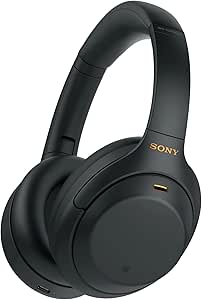
Sony WH-1000XM4 Wireless Noise Cancelling Headphones, Black
As an affiliate, we earn on qualifying purchases.
Pick earbuds that fit your commute, desk, or workout
Wireless earbuds with noise cancellation make the most sense when their comfort and features match your routine. Before you compare prices, picture a normal day: a 30-minute train ride, a few hours at a desk, or a jog where a loose earbud would need constant adjusting. Each setting puts a different demand on the same small device.
A commuter may care most about reducing train rumble and switching quickly to transparency at a station announcement. Someone taking office calls may care more about a comfortable fit, reliable microphones, and multipoint Bluetooth to connect a laptop and phone. For exercise, a stable fit, simple controls, and a suitable water- and dust-resistance rating may matter more than a long list of audio features.
Use this short checklist while you shop:
- Start with fit. Check whether the box includes different ear-tip sizes or a fit test. If a demo or return period is available, wear the buds for a full work session, not just a quick try-on.
- Match ANC to the setting. Look for performance comparisons made in conditions like yours. A flight test tells you more about cabin rumble than a vague promise of “better cancellation.”
- Check your devices. Confirm that features such as multipoint, app controls, spatial audio, or a preferred codec work with your phone and computer.
- Inspect the practical details. Compare ANC-on battery estimates, case capacity, call handling, water rating, warranty, and the availability of replacement tips.
Imagine using a laptop for meetings and a phone for music. If your preferred pair cannot connect to both as expected, you may spend more time reconnecting than enjoying its ANC. Product features vary, so confirm support on the exact devices you own rather than assuming every feature works everywhere.
Separate advertised battery life from a full day of listening
Wireless earbuds with noise cancellation usually run for less time per charge with ANC enabled, while the charging case adds listening time between wall charges. The exact difference depends on the model and your habits, so a headline battery number cannot tell you how long you will get on a busy day.
Manufacturers often publish separate estimates for ANC on and off. Your actual use can shift either figure: higher volume, frequent calls, extra features, and an older battery can all affect runtime. Compare estimates under similar conditions, and check whether the number refers to the earbuds alone or includes the case.
| What to compare | Why it matters | Everyday example |
|---|---|---|
| Battery with ANC on | ANC use often reduces playback time compared with ANC off. | A long flight leaves less room for a low-charge surprise. |
| Case capacity | The case can recharge the buds between listening sessions. | You can top them up during a lunch break without finding a wall outlet. |
| Calls and volume | Your routine may differ from a manufacturer’s test conditions. | A day of video calls and loud train rides may use power faster than quiet music at home. |
| Battery age | Small rechargeable batteries lose capacity with use. | A pair that once lasted through a commute may need a midday case recharge later on. |
When comparing two products, note the conditions behind the claims rather than treating “up to” figures as a promise. One company may quote playback with ANC off; another may quote a different setting. The case total also does not mean you can listen continuously for that many hours without putting the earbuds away to charge.
For a practical check, estimate your longest stretch away from the case and compare it with the ANC-on figure. If you work through a full afternoon of calls, battery life under calls may matter more than the longest music-only estimate. A charging case helps, but it does not remove the need to plan for your actual day.
Treat sound, comfort, and calls as separate buying decisions
Wireless earbuds with noise cancellation can make music easier to hear in a loud place, but ANC alone does not tell you whether they sound good, feel comfortable, or make your voice clear on a call. Those are related parts of the experience, yet each needs its own check.
For example, a good ear-tip seal can improve bass response even when ANC is off. But if the tips feel tight after an hour, a powerful cancellation setting will not make the fit comfortable. Some people also notice a pressure-like sensation or listening fatigue with ANC; others do not. Trying a different tip size, changing modes, or taking breaks may help, but comfort is personal.
Call quality deserves a separate test. ANC for listening does not guarantee strong voice noise reduction when you speak. A pair can quiet the train for your music while still picking up wind or surrounding conversation on a call. If you regularly take meetings from a café, check microphone and wind handling reviews, then test a real call if you can.
Listen with ANC on and off, too. Some earbuds sound different when you switch modes, and codec support or app equalizer settings may affect the result. A friend who listens to podcasts at a desk might prefer clear speech and easy controls; someone who listens to bass-heavy music on a flight may value a secure seal and low rumble reduction more.
Finally, account for durability and repair. A water-resistance rating can help you compare options for sweat or a rainy commute, but it does not mean the earbuds are waterproof in every situation. Small batteries may be difficult to replace, so review warranty terms, repair options, and replacement tip availability before treating a higher purchase price as a longer-term value.
Read ANC claims carefully and test them in your own routine
Wireless earbuds with noise cancellation are difficult to rank from advertising claims alone because companies may use different test methods, sound conditions, volume levels, and ANC settings. A claim of longer battery life or improved cancellation can sound precise while leaving out the conditions needed to compare it fairly.
Recent product lines have put more attention on adaptive ANC, which adjusts cancellation based on surroundings or fit, and on more configurable transparency modes. Other common features include multipoint Bluetooth, call processing, and app-based fit checks. These can be useful, but the label does not guarantee a particular result for every ear or environment.
Suppose a manufacturer says its earbuds improve cancellation, while a review says another model handles a subway better. Those statements may describe different tests. Compare like with like: steady train or aircraft rumble for travel, nearby speech for a shared office, or wind handling for outdoor calls. For the same reason, sound tests made at different playback volumes may not describe an equal listening experience.
Think of a review as a map, not a promise. It can point you toward models worth trying, but fit changes the seal and affects what you hear. If one earbud sits loosely, the same ANC that seemed impressive in a review may feel weak on your commute.
Compare the conditions behind the claim, then judge the fit and sound in the places you use the earbuds.
You may also see features such as spatial audio or head-tracking in the product description. These affect how some content sounds; they are separate from noise cancellation. A person who listens mostly to spoken podcasts may get more daily value from comfortable tips and easy controls than from an immersive audio mode.
Use ANC without losing track of your surroundings
Wireless earbuds with noise cancellation are listening devices, not certified hearing protection or a substitute for paying attention to your surroundings. ANC can make a noisy trip more comfortable, but it can also make announcements, alarms, traffic, or a cyclist’s bell harder to notice.
For instance, on a walk through a busy neighborhood, transparency mode may help you hear more of the street than full ANC. It does not guarantee awareness, because microphone processing and fit can change what comes through. While walking or cycling, follow local rules and keep enough attention on the environment to respond to what is happening around you.
Use these habits to make ANC work more comfortably day to day:
- Choose the mode for the moment. Use ANC for steady travel rumble, then switch to transparency when you need to hear someone or an announcement.
- Keep volume reasonable. ANC may help you hear audio more clearly at a lower volume, but it does not make high playback levels harmless.
- Take a break if your ears feel tired. Try a different tip or turn ANC off if you notice discomfort or a pressure-like sensation.
- Use rated protection for hazardous noise. Earbuds with ANC do not reliably protect against dangerous sound levels.
ANC can also work without music on some models, but behavior varies. One pair may let you turn cancellation on from its controls, while another may require a phone connection or an app setting. Check the instructions for your specific earbuds instead of assuming silence mode will work the same way across brands.
For a workday, it may be useful to keep transparency easy to reach and ANC ready for the air conditioner or road noise. For a flight, longer ANC-on battery life may move up your list. The setting should follow the situation, and your awareness should stay ahead of the earbuds.
Frequently Asked Questions
Do noise-cancelling earbuds block all sound?
No. ANC can reduce steady low-frequency noise, while the ear tips block some sound through their physical seal. Voices, alarms, and sudden noises may still come through, so earbuds do not create silence.
Is ANC the same as noise isolation?
No. ANC uses microphones and processing to reduce some outside sound. Passive isolation comes from the ear tips sealing the ear canal. They can work together, but neither removes every sound.
Does ANC work on voices?
ANC may reduce some voice noise, but it usually handles it less consistently than steady rumble. Fit, distance, room acoustics, and the specific earbuds all affect what you hear. A conversation in the next seat may remain clear even when an engine sounds quieter.
Can I use ANC without playing music?
Many earbuds support ANC without music, but controls differ by model. Some let you switch modes from the earbuds; others may need a phone connection or an app setting. Check the instructions for the model you own.
Does ANC cause pressure or discomfort?
Some people notice a pressure-like sensation or fatigue, while others do not. Ear-tip pressure or a poor fit can also cause discomfort. Try another tip size, take breaks, or turn ANC off to see what feels better.
Are earbuds with ANC safe while walking or cycling?
ANC can make it harder to hear traffic, announcements, and other cues. Transparency mode may let more sound through, but it does not guarantee awareness. Follow local rules and keep enough attention on your surroundings.
Can ANC earbuds protect my hearing?
No. Consumer earbuds with ANC are not certified hearing protection and do not reliably protect you from hazardous sound levels. Use appropriately rated protection where it is needed.
Conclusion
Choose earbuds by the sounds you want to soften, the hours you’ll wear them, and whether they fit your ears comfortably. Check ANC-on battery estimates, call performance, device support, and the real limits of the water rating before you buy.
Then test them in your own routine. The right pair should take the sharp edge off a train’s rumble while leaving you comfortable, connected, and aware of the world beyond your music.