


The best Apple products depend on what you need them to do: for a versatile everyday computer, I’d start with the 13-inch MacBook Air with M5, while the iPad with A16 is a simpler pick for browsing, reading, and casual use. The AirPods 5 suit buyers who want wireless earbuds, and AirPods Max 2 are the over-ear option for a more immersive listening setup. The main tradeoffs are portability versus screen space, everyday capability versus specialized performance, and wireless convenience versus lower-cost wired accessories. This roundup compares all 15 listed products by their role, strengths, and limitations. Read on for the full breakdown and guidance on choosing the Apple gear that fits your needs.

Get the latest gadgets delivered free with Prime
- Fast, free delivery on millions of items
- Prime Video, Amazon Music and more included
- Member-only deals all year
Complete the kit



Key Takeaways
The 13-inch MacBook Air with M5 is the strongest all-around computer pick in this lineup: it balances portability with laptop capability, while the 15-inch Air favors a larger workspace.
The iPad with A16 is a better fit for casual tablet use than for replacing a laptop; buyers who need a traditional keyboard-and-trackpad workflow should choose a MacBook instead.
AirPods Max 2 appear in three color listings, not three distinct headphone models, so choose among Starlight, Blue, and Midnight by finish rather than expecting different capabilities.
AirPods 5 and AirPods 5 with Wireless Charging Case are close alternatives; the case version makes most sense when wireless charging matters to your routine.
The lineup spans useful low-complexity accessories and specialized tools: EarPods and AirTag solve focused everyday needs, while Apple Pencil Pro and MacBook Pro are worthwhile only when their particular capabilities match your plans.
| Apple Watch SE 3 GPS 40mm Smartwatch |  | Best Apple Watch for Everyday Essentials | Connectivity: GPS, iPhone or Wi-Fi | Battery life: Up to 18 hours | Fast charging: Up to 8 hours of battery in 15 minutes | VIEW LATEST PRICE | See Our Full Breakdown |
| Apple AirPods Max 2 Wireless Over-Ear Headphones – Starlight |  | Best Premium Over-Ear Headphones | Chip: H2 | Active noise cancellation: Up to 1.5x more than previous generation | Battery life: Up to 20 hours | VIEW LATEST PRICE | See Our Full Breakdown |
| Apple EarPods with USB-C Plug, Wired Earbuds with Remote and Microphone | 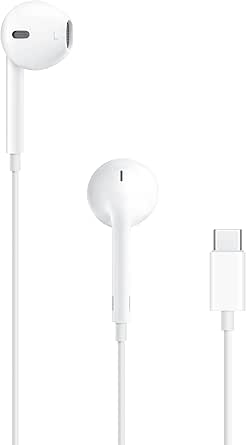 | Best Simple Wired Apple Audio | Connectivity: USB-C | Microphone: Built-in | Remote control: Yes | VIEW LATEST PRICE | See Our Full Breakdown |
| Apple AirTag (2nd Generation) – 4 Pack |  | Best for Keeping Track of Everyday Belongings | Connectivity: Ultra Wideband, Bluetooth | Battery life: Over 1 year | Product dimensions: 1.26 x 1.26 x 0.31 inches | VIEW LATEST PRICE | See Our Full Breakdown |
| Apple AirPods 5 Wireless Earbuds |  | Best Everyday Wireless Earbuds | Active noise cancellation: Yes | Audio modes: Transparency mode, adaptive audio, and conversation awareness | Sound features: Adaptive EQ, voice isolation, and personalized spatial audio | VIEW LATEST PRICE | See Our Full Breakdown |
| Apple 2026 MacBook Air 15-inch Laptop with M5 Chip, 16GB RAM, 512GB SSD, Liquid Retina Display, Wi-Fi 7, Silver |  | Best for a Big Screen Without a Pro | Display: 15.3-inch Liquid Retina | Processor: M5 chip | Memory: 16GB unified memory | VIEW LATEST PRICE | See Our Full Breakdown |
| Apple iPad 11-inch with A16 Chip, 128GB, Liquid Retina Display, Wi-Fi 6, 12MP Front/Back Cameras, Touch ID, All-Day Battery – Silver |  | Best for Everyday iPad Buyers | Display: 11-inch Liquid Retina | Processor: A16 chip | Storage: 128GB | VIEW LATEST PRICE | See Our Full Breakdown |
| Apple MacBook Air 13-inch Laptop with M5 Chip, 16GB Memory, 512GB SSD, 12MP Center Stage Camera, and Wi-Fi 7 (Silver) |  | Best Compact MacBook | Display: 13.6-inch Liquid Retina | Processor: Apple M5 chip | Memory: 16GB unified memory | VIEW LATEST PRICE | See Our Full Breakdown |
| Apple Magic Mouse – White | 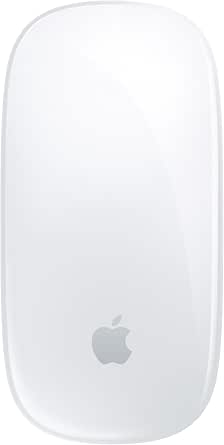 | Best for Multi-Touch Mac Gestures | Color: White | Connectivity: Wireless | Surface: Multi-Touch | VIEW LATEST PRICE | See Our Full Breakdown |
| Apple AirPods Max 2 Wireless Over-Ear Headphones – Blue |  | Best Premium Over-Ear Headphones | Chip: H2 | Active noise cancellation: Up to 1.5x more than previous generation | Battery life: Up to 20 hours | VIEW LATEST PRICE | See Our Full Breakdown |
| Apple 2025 MacBook Pro Laptop with M5 Chip, 14.2-inch Liquid Retina XDR Display, 16GB RAM, 1TB SSD, Space Black |  | Best for Creative Professionals | Processor: Apple M5 chip with 10-core CPU and GPU | Display: 14.2-inch Liquid Retina XDR | Memory: 16GB unified memory | VIEW LATEST PRICE | See Our Full Breakdown |
| Apple 2026 MacBook Neo 13-inch Laptop with A18 Pro Chip |  | Best for Students and Everyday Portability | Processor: Apple A18 Pro chip | Display: 13-inch Liquid Retina, supports 1 billion colors | Memory: 8GB unified memory | VIEW LATEST PRICE | See Our Full Breakdown |
| Apple Pencil Pro |  | Best for iPad Creators | Model: MX2D3AM/A | Dimensions: 8.25 x 2.25 x 0.75 inches | Weight: 0.68 ounces | VIEW LATEST PRICE | See Our Full Breakdown |
| Apple AirPods 5 with Wireless Charging Case |  | Best for Compact Everyday Listening | Active Noise Cancellation: Yes | Listening modes: Transparency Mode and adaptive audio | Spatial audio: Personalized Spatial Audio | VIEW LATEST PRICE | See Our Full Breakdown |
| Apple AirPods Max 2 Wireless Over-Ear Headphones – Midnight |  | Best for Immersive Over-Ear Listening | Connectivity: USB-C | Battery life: Up to 20 hours | Color: Midnight | VIEW LATEST PRICE | See Our Full Breakdown |
| Apple product | Battery life | Weight | Connectivity |
|---|---|---|---|
| Apple Watch SE 3 GPS 40mm Smar | Up to 18 hours | 9.6 ounces | GPS, iPhone or Wi-Fi |
| Apple AirPods Max 2 Wireless O | Up to 20 hours | 13.6 ounces | USB-C |
| Apple EarPods with USB-C Plug | — | — | USB-C |
| Apple AirTag | Over 1 year | — | Ultra Wideband, Bluetooth |
| Apple AirPods 5 Wireless Earbu | Up to 4 hours per charge; up to 20 hours with case | 3.87 ounces | — |
| Apple 2026 MacBook Air 15-inch | Up to 18 hours | 3.32 pounds | — |
| Apple iPad 11-inch with A16 Ch | All-day | 1.05 pounds | Wi-Fi 6, USB-C |
| Apple MacBook Air 13-inch Lapt | Up to 18 hours | 2.71 pounds | — |
| Apple Magic Mouse | — | 8 ounces | Wireless |
| Apple AirPods Max 2 Wireless O | Up to 20 hours | 13.6 ounces | USB-C |
| Apple 2025 MacBook Pro Laptop | All-day | 3.41 pounds | — |
| Apple 2026 MacBook Neo 13-inch | Up to 16 hours | 2.71 pounds | — |
| Apple Pencil Pro | — | 0.68 ounces | — |
| Apple AirPods 5 with Wireless | Up to 5 hours per charge; 22 hours total with case | — | — |
| Apple AirPods Max 2 Wireless O | Up to 20 hours | 13.6 ounces | USB-C |
More Details on Our Top Picks
Apple Watch SE 3 GPS 40mm Smartwatch
I’d choose the Apple Watch SE 3 for iPhone owners who want workout, sleep, and health tracking plus useful safety alerts without making a watch their main device. Fall and crash detection add practical reassurance, while calls, texts, music, and notifications keep everyday tasks close at hand. Compared with the Apple AirTag (2nd Generation) 4 Pack, this is a much more active, personal companion; compared with AirPods, it adds health and safety functions rather than focusing on listening.
The tradeoff is its up to 18-hour battery life: regular charging is part of ownership, though fast charging can help fill gaps. Connectivity also depends on an iPhone or Wi-Fi, so it is not a standalone choice for everyone. I’d pick it for core Apple Watch utility, not for buyers seeking all-day battery life or independence from an iPhone.
Pros:- Tracks workouts, sleep, and health metrics
- Fall and severe car crash detection add useful safety functions
- Fast charging can provide up to eight hours of battery in 15 minutes
- Handles calls, texts, music, and notifications when connected
Cons:- Up to 18 hours of battery life means frequent charging
- Connectivity requires an iPhone or Wi-Fi
- Some Siri AI availability or usage may be limited
Best for: iPhone owners who want everyday fitness and sleep tracking, notifications, and fall or crash detection in a smartwatch.
Not ideal for: People who need a watch to work independently of an iPhone or Wi-Fi, or who prefer several days between charges.
- Connectivity:GPS, iPhone or Wi-Fi
- Battery life:Up to 18 hours
- Fast charging:Up to 8 hours of battery in 15 minutes
- Dimensions:9.45 x 3.03 x 1.18 inches
- Weight:9.6 ounces
- Manufacturer:Apple
- Model number:MJKR4LW/A
Our verdict“Choose the Apple Watch SE 3 if you want an iPhone-linked watch for daily health tracking and safety features and can live with regular charging.”
Apple AirPods Max 2 Wireless Over-Ear Headphones – Starlight
The AirPods Max 2 suit listeners who want an immersive, over-ear Apple audio experience, with active noise cancellation, adaptive audio, and personalized spatial audio with head tracking. Their H2 chip supports features such as live translation, though availability can vary by region or feature status. Compared with the open-ear Apple AirPods 5 Wireless Earbuds, these headphones create a more enclosing listening setup and are the stronger fit for focused sessions or noisy surroundings.
That premium approach brings real compromises: at 13.6 ounces, they are heavier than earbuds and less convenient to carry, and battery life tops out at 20 hours. USB-C connectivity is useful, but buyers looking for a lightweight, easy-to-pocket option should look at AirPods 5 instead. I’d select the Max 2 for immersive listening, not for minimal bulk or a simple everyday earbud.
Pros:- High-fidelity sound with deep bass and crisp highs
- Active noise cancellation and adaptive audio support varied listening settings
- Personalized spatial audio includes head tracking
- USB-C connectivity and up to 20 hours of battery life
Cons:- At 13.6 ounces, they are heavy compared with earbuds and many over-ear alternatives
- Some features may be in beta or limited by region
- Over-ear size is less convenient to carry than Apple AirPods 5
Best for: Apple users who prioritize immersive over-ear listening and noise cancellation for focused work, travel, or home listening.
Not ideal for: Commuters seeking lightweight pocketable audio, or listeners who prefer open-ear earbuds and a less substantial fit.
- Chip:H2
- Active noise cancellation:Up to 1.5x more than previous generation
- Battery life:Up to 20 hours
- Connectivity:USB-C
- Colors:Five vibrant colors
- Weight:13.6 ounces
- Dimensions:9.59 x 9.44 x 3.19 inches
Our verdict“Pick the AirPods Max 2 if immersive, noise-canceling over-ear sound matters more to you than low weight and portability.”
Apple EarPods with USB-C Plug, Wired Earbuds with Remote and Microphone
Apple EarPods with USB-C are the straightforward choice in this lineup: plug them into a compatible device and use the built-in remote and microphone for calls, volume, and music controls. Unlike the wireless Apple AirPods 5, they need no charging case or Bluetooth pairing, which makes them a practical backup or a simple daily set for USB-C devices. Their ergonomic shape also offers an alternative to the enclosing fit of the AirPods Max 2.
The simplicity comes with a clear limit: the cable restricts movement, and USB-C compatibility rules out devices without that port. They also lack the wireless models’ listed features such as active noise cancellation, adaptive audio, and personalized spatial audio. I’d choose these for easy wired listening and calls, but skip them if you want freedom from cables or advanced listening modes.
Pros:- USB-C plug works with compatible USB-C devices
- Built-in remote provides music and volume control
- Integrated microphone supports calls
- No wireless-earbud charging routine
Cons:- Cable can restrict movement
- Requires a device with a USB-C port
- Does not offer the listed noise-canceling and adaptive audio features of AirPods 5
Best for: People with USB-C Apple devices who want simple wired earbuds for calls, music, or a no-charging backup.
Not ideal for: Listeners who exercise or move around frequently while listening, or who want wireless features such as noise cancellation.
- Connectivity:USB-C
- Microphone:Built-in
- Remote control:Yes
- Product dimensions:3.25 x 2.9 x 1 inches
- Item weight:1.12 ounces
- Design:Ergonomic wired earbuds
Our verdict“Choose these EarPods if you value a simple wired connection and built-in call controls over wireless convenience and advanced audio features.”
Apple AirTag (2nd Generation) – 4 Pack
The AirTag (2nd Generation) 4 Pack is the most practical pick here for people who often misplace bags, keys, or other belongings. Its Ultra Wideband and Bluetooth connectivity works with the Find My app, while the expanded range and louder speaker are intended to make finding an item easier. Four trackers let a household cover several frequently misplaced items; unlike the Apple Watch SE 3, AirTag is focused on locating belongings rather than monitoring a person’s health or activity.
It does depend on compatible Apple devices for full functionality, so it is a poor match for someone outside that ecosystem. The battery is replaceable rather than rechargeable and lasts over a year, which means occasional upkeep instead of charging. Compared with AirPods or a MacBook, this is a narrow-purpose accessory—but a useful one if lost items are a recurring frustration.
Pros:- Expanded range and Ultra Wideband support precise item locating
- Louder speaker and distinctive chime help with nearby searches
- Location sharing is available with trusted contacts
- Replaceable battery lasts over a year, and the design uses 85% recycled plastic
Cons:- Full features require a compatible iPhone or Apple Watch
- Battery is not rechargeable and needs replacement
- Some features depend on region or device compatibility
Best for: Apple households that want to track several commonly misplaced items through the Find My app.
Not ideal for: People without a compatible iPhone or Apple Watch, or anyone seeking a general-purpose Apple device rather than item tracking.
- Connectivity:Ultra Wideband, Bluetooth
- Battery life:Over 1 year
- Product dimensions:1.26 x 1.26 x 0.31 inches
- Item weight:1.44 ounces
- Material:85% recycled plastic
- Packaging:100% fiber-based
Our verdict“Get the four-pack if you use Apple devices and want to keep tabs on several belongings without adding a rechargeable gadget to your routine.”
Apple AirPods 5 Wireless Earbuds
The Apple AirPods 5 are the versatile wireless choice for listeners who want noise control, transparency, and an open-ear design in one pair. Active noise cancellation and adaptive audio offer more flexibility than the wired Apple EarPods with USB-C, while conversation awareness and personalized spatial audio add listening and call features. Their IP57 rating also makes them better suited to workouts and exposure to sweat or water than the over-ear AirPods Max 2.
Open-ear comfort will not suit everyone, and the earbuds provide only up to four hours per charge; the case brings total listening time to up to 20 hours. Battery life may fall with noise cancellation enabled, so frequent listeners should account for charging breaks. I’d choose these for adaptable everyday use, but not for the longest uninterrupted listening sessions or buyers outside the Apple ecosystem seeking its connected features.
Pros:- Active noise cancellation, transparency mode, and adaptive audio provide flexible listening
- IP57 dust, sweat, and water resistance suits workouts and active use
- Personalized spatial audio includes dynamic head tracking
- USB-C case brings total listening time to up to 20 hours
Cons:- Up to four hours of listening per charge may interrupt long sessions
- Noise cancellation can reduce battery life
- Some features are tied to the Apple ecosystem
Best for: Apple users who want open-ear wireless earbuds for daily listening, calls, and workouts, with both noise cancellation and transparency modes.
Not ideal for: Listeners who need long sessions between charges, prefer an enclosing earbud fit, or do not use Apple ecosystem features.
- Active noise cancellation:Yes
- Audio modes:Transparency mode, adaptive audio, and conversation awareness
- Sound features:Adaptive EQ, voice isolation, and personalized spatial audio
- Design:Open-ear
- Water resistance:IP57
- Battery life:Up to 4 hours per charge; up to 20 hours with case
- Charging case:USB-C
- Weight:3.87 ounces
Our verdict“Choose AirPods 5 for flexible wireless listening and workout-friendly protection, but look elsewhere if you need extended playback between charges.”
Apple 2026 MacBook Air 15-inch Laptop with M5 Chip, 16GB RAM, 512GB SSD, Liquid Retina Display, Wi-Fi 7, Silver
I’d choose this MacBook Air when a generous workspace matters more than the smallest carry-on footprint. Its 15.3-inch Liquid Retina display gives students and professionals more room for split-screen reading, spreadsheets, and video calls than the 13-inch MacBook Air, while the M5 chip and 16GB of unified memory suit everyday multitasking and demanding general work. It also weighs less than many larger laptops, though the 3.32-pound body is heavier than its 13-inch sibling. Up to 18 hours of battery life and Wi-Fi 7 help it work well away from an outlet or desk. The tradeoff is a limited port selection, and buyers needing a more advanced display or more storage may prefer the MacBook Pro. I’d skip this if portability is the overriding priority.
Pros:- 15.3-inch display provides more space for documents and side-by-side apps than the 13-inch MacBook Air.
- M5 chip and 16GB unified memory support responsive everyday multitasking.
- Up to 18 hours of stated battery life suits long days away from a charger.
- Wi-Fi 7, Bluetooth 6, and support for multiple external displays provide flexible connectivity.
Cons:- At 3.32 pounds, it is notably heavier than the 13-inch MacBook Air.
- Two Thunderbolt 4 ports limit direct connections to peripherals.
- The 512GB SSD may feel restrictive for large local media libraries or work files.
Best for: College students and professionals who want a roomy laptop display for multitasking, study, and office work without moving up to a MacBook Pro.
Not ideal for: Frequent travelers prioritizing the lightest carry, or power users who need more ports, a Pro-class display, or expanded storage.
- Display:15.3-inch Liquid Retina
- Processor:M5 chip
- Memory:16GB unified memory
- Storage:512GB SSD
- Battery life:Up to 18 hours
- Camera:12MP Center Stage
- Ports:Two Thunderbolt 4, MagSafe, headphone jack
- Wireless:Wi-Fi 7, Bluetooth 6
- Weight:3.32 pounds
Our verdict“Choose this model if you want a large-screen MacBook Air for study or office multitasking and can accept extra weight and limited ports.”
Apple iPad 11-inch with A16 Chip, 128GB, Liquid Retina Display, Wi-Fi 6, 12MP Front/Back Cameras, Touch ID, All-Day Battery – Silver
This iPad is the straightforward pick for browsing, streaming, note-taking, and light creative work. The 11-inch Liquid Retina display and A16 chip make it a more capable everyday tablet than a basic media screen, while Apple Pencil and Magic Keyboard Folio compatibility let buyers add drawing or typing tools as needed. Compared with the 13-inch MacBook Air, it is far lighter at 1.05 pounds and more natural for touch-first use, but it is not a laptop replacement for everyone: the keyboard is an added accessory, and iPadOS workflows differ from macOS. Its 128GB storage can also fill quickly for users who keep many large games, videos, or creative files on-device. I’d pick it over a MacBook when portability and touch matter most, not when desktop-style work is the priority.
Pros:- Light 1.05-pound design is easier to hold and carry than either MacBook Air.
- A16 chip supports responsive browsing, entertainment, and compatible creative apps.
- Works with Apple Pencil and Magic Keyboard Folio for optional note-taking and typing.
- 12MP front and rear cameras support video calls and everyday photo capture.
Cons:- 128GB storage may be limiting for large app, video, or game collections.
- Apple Pencil and Magic Keyboard Folio are separate purchases.
- Tablet workflows may not suit buyers who rely on desktop-class macOS apps.
Best for: Students and home users seeking a portable tablet for web browsing, video, reading, handwritten notes, and occasional keyboard work.
Not ideal for: People who need a full macOS computer, routinely store large files locally, or want a keyboard and stylus included.
- Display:11-inch Liquid Retina
- Processor:A16 chip
- Storage:128GB
- Front camera:12MP
- Rear camera:12MP Wide with True Tone flash
- Connectivity:Wi-Fi 6, USB-C
- Battery life:All-day
- Weight:1.05 pounds
Our verdict“Pick this iPad for portable, touch-first everyday use, but choose a MacBook Air if your work depends on laptop-style software and multitasking.”
Apple MacBook Air 13-inch Laptop with M5 Chip, 16GB Memory, 512GB SSD, 12MP Center Stage Camera, and Wi-Fi 7 (Silver)
For buyers who want a capable Mac that is easier to carry every day, this 13-inch Air is the more practical fit than the 15-inch MacBook Air. At 2.71 pounds, it trims weight and bulk while keeping the same M5 chip, 16GB memory, and 512GB SSD listed for its larger sibling. That makes it well suited to commuting, campus days, and work in changing locations; the cost of the smaller footprint is less screen space for split-screen tasks. Up to 18 hours of battery life, Wi-Fi 7, and support for up to two external displays help it adapt from mobile work to a desk setup. Like the larger Air, it has just two Thunderbolt 4 ports, so accessories may call for a hub. I’d choose the iPad for touch-first use, but this is the stronger fit for macOS workflows.
Pros:- 2.71-pound weight makes it easier to carry than the 15-inch MacBook Air.
- M5 chip, 16GB unified memory, and 512GB SSD support general multitasking and work.
- Up to 18 hours of stated battery life supports long stretches away from a charger.
- Can connect to up to two external displays for a larger desk setup.
Cons:- The 13.6-inch screen offers less room for split-screen work than the 15-inch Air.
- Two Thunderbolt 4 ports may require a hub for several wired accessories.
- Battery life varies with workload and settings.
Best for: Commuters, students, and remote workers who carry a laptop often and want macOS performance in a compact form.
Not ideal for: Buyers who need a large built-in workspace, extensive port selection, or a tablet-style touch experience.
- Display:13.6-inch Liquid Retina
- Processor:Apple M5 chip
- Memory:16GB unified memory
- Storage:512GB SSD
- Battery life:Up to 18 hours
- Camera:12MP Center Stage
- Ports:Two Thunderbolt 4, MagSafe charging, headphone jack
- Wireless:Wi-Fi 7, Bluetooth 6
- Weight:2.71 pounds
Our verdict“Choose this MacBook Air if low carry weight matters more than the larger workspace of the 15-inch model.”
Apple Magic Mouse – White
The Magic Mouse makes the most sense for Mac owners who value gesture-based scrolling and navigation over a traditional mouse shape. Its Multi-Touch surface lets users swipe through pages and scroll documents without relying on a separate scroll wheel, and automatic Mac pairing keeps setup simple. That makes it a compact desk companion alongside either MacBook Air in this roundup. Compared with the Apple iPad, though, it is a more narrowly Mac-oriented accessory rather than a general-purpose input choice, and the supplied information specifies automatic pairing with a Mac. Buyers who prefer physical buttons, a contoured grip, or broadly flexible device pairing should look at other mice. It recharges over USB-C and is described as lasting about a month or more between charges, but its gesture-first design will not suit every hand or workflow.
Pros:- Multi-Touch surface supports swiping and scrolling without a separate wheel.
- Pairs automatically with a Mac for simple setup.
- Rechargeable battery is described as lasting about a month or more between charges.
- Woven USB-C charging cable is included.
Cons:- Its gesture-oriented surface may be less comfortable for buyers who want a conventional mouse shape and buttons.
- The provided pairing information is Mac-focused, making it a less flexible choice for mixed-device setups.
Best for: MacBook owners who want a compact wireless mouse with touch gestures for scrolling and page navigation.
Not ideal for: People who prefer a contoured mouse with physical scroll and navigation buttons, or need an input device for varied non-Mac setups.
- Color:White
- Connectivity:Wireless
- Surface:Multi-Touch
- Dimensions:5.12 x 2.91 x 1.42 inches
- Weight:8 ounces
- Battery:One included lithium-ion battery
- Charging cable:Woven USB-C
- Model:MXK53AM/A
Our verdict“Choose the Magic Mouse if Mac gestures matter more to you than a conventional grip and physical controls.”
Apple AirPods Max 2 Wireless Over-Ear Headphones – Blue
Among these Apple picks, AirPods Max 2 is the dedicated choice for listeners who want over-ear noise cancellation and spatial audio, rather than a compact accessory like the Magic Mouse or a laptop upgrade. Its H2 chip, adaptive sound features, and personalized spatial audio aim to make listening more immersive, while USB-C lossless audio support adds an option for compatible wired listening. The 13.6-ounce weight and over-ear design bring a substantial feel that may not suit long commutes or listeners who favor lighter earbuds. Battery life is listed at up to 20 hours, but real runtime can vary, and some functions depend on compatible devices or software support. I’d select these over the Apple AirPods 5 when full-size isolation and an over-ear fit are the priority; the AirPods 5 are the more compact everyday alternative.
Pros:- Active noise cancellation and adaptive sound features target focused listening in noisy surroundings.
- Personalized spatial audio adds an immersive option for compatible content.
- USB-C supports lossless audio with compatible setups.
- Up to 20 hours of listed battery life supports extended listening sessions.
Cons:- At 13.6 ounces, the over-ear headphones are heavier than compact options such as Apple AirPods 5.
- Some features depend on compatible devices and software support.
- Battery runtime can vary with listening conditions and feature use.
Best for: Apple-device owners who prioritize over-ear noise cancellation, immersive spatial audio, and USB-C lossless listening.
Not ideal for: Travelers seeking the lightest pocketable headphones, buyers sensitive to heavier over-ear designs, or those who do not need advanced audio features.
- Chip:H2
- Active noise cancellation:Up to 1.5x more than previous generation
- Battery life:Up to 20 hours
- Connectivity:USB-C
- Color:Blue
- Weight:13.6 ounces
- Dimensions:9.59 x 9.44 x 3.19 inches
- Battery:One lithium-ion battery included
Our verdict“Choose AirPods Max 2 if immersive over-ear listening and noise cancellation matter more than a lighter, more compact design.”
Apple 2025 MacBook Pro Laptop with M5 Chip, 14.2-inch Liquid Retina XDR Display, 16GB RAM, 1TB SSD, Space Black
The 14.2-inch MacBook Pro is the strongest fit here for people whose Apple laptop needs to handle demanding creative or professional work. Its M5 chip pairs a 10-core CPU and GPU with a bright, high-contrast Liquid Retina XDR display, while the 1TB SSD gives larger projects room without relying as quickly on external storage. Compared with the lighter MacBook Neo, this model offers a more capable listed processor, more memory, and a broader port selection, including HDMI and an SDXC card slot. Those additions can simplify connecting displays and camera cards. The tradeoff is a 3.41-pound body and a feature set that may be more than students or everyday browsing require. Buyers who need a simpler portable Mac may be better served by the Neo.
Pros:- M5 chip with a 10-core CPU and GPU for demanding professional and creative workloads
- Liquid Retina XDR display provides high brightness and contrast
- 1TB SSD offers generous built-in space for projects and media
- HDMI, SDXC, three Thunderbolt 4 ports, and MagSafe 3 support varied connections
Cons:- At 3.41 pounds, it is heavier than the 2.71-pound MacBook Neo
- Its professional capabilities may be unnecessary for basic schoolwork and everyday tasks
- Some external devices may still require adapters despite the range of ports
Best for: Creative professionals and power users who work with demanding projects, connect external displays or camera cards, and want a compact MacBook Pro.
Not ideal for: Students and everyday users who mainly browse, write, and stream; its Pro-oriented display and ports may not justify carrying a heavier laptop.
- Processor:Apple M5 chip with 10-core CPU and GPU
- Display:14.2-inch Liquid Retina XDR
- Memory:16GB unified memory
- Storage:1TB SSD
- Battery life:All-day
- Ports:Three Thunderbolt 4, MagSafe 3, SDXC card slot, HDMI, headphone jack
- Weight:3.41 pounds
- Dimensions:12.31 x 8.71 x 0.61 inches
Our verdict“Choose this MacBook Pro for demanding creative work and built-in display and card connections; choose the MacBook Neo for a lighter, simpler laptop.”
Apple 2026 MacBook Neo 13-inch Laptop with A18 Pro Chip
The MacBook Neo is the lineup’s portable, everyday option: a 2.71-pound aluminum laptop with a 13-inch Liquid Retina display and up to 16 hours of stated battery life. Its A18 Pro chip is positioned for schoolwork, entertainment, and AI tasks, while the listed 8GB of unified memory and 512GB SSD suit buyers with less demanding workflows. Compared with the 14.2-inch MacBook Pro, the Neo is lighter and has a smaller display, but the Pro lists twice the memory, a larger SSD, and more specified connections for professional setups. The Neo’s four color choices and recycled aluminum casing give it a more casual, personal feel. Its main drawback is uncertainty: port details and graphics capabilities are not supplied, so buyers needing a known connection setup or graphics headroom should look elsewhere.
Pros:- Light 2.71-pound aluminum design is easy to carry between classes or workspaces
- Up to 16 hours of stated battery life supports long days away from an outlet
- 13-inch Liquid Retina display supports 1 billion colors
- Four listed finishes offer more color choice than the Space Black MacBook Pro
Cons:- 8GB unified memory is less than the 16GB listed for the MacBook Pro
- The product details do not specify ports or expandability
- Graphics capabilities are not described, limiting its appeal for buyers with graphics-heavy workloads
Best for: Students and mobile users who want a lightweight Mac for coursework, video calls, entertainment, and everyday macOS apps.
Not ideal for: Creative professionals who need detailed graphics specifications, extensive memory, or clearly listed ports for peripherals and external displays.
- Processor:Apple A18 Pro chip
- Display:13-inch Liquid Retina, supports 1 billion colors
- Memory:8GB unified memory
- Storage:512GB SSD
- Camera:1080p FaceTime HD
- Battery life:Up to 16 hours
- Weight:2.71 pounds
- Colors:Silver, Blush, Citrus, Indigo
- Material:Recycled aluminum
Our verdict“Pick the MacBook Neo for portable school and everyday use, but favor the MacBook Pro if your work needs more memory, storage, or specified connections.”
Apple Pencil Pro
Apple Pencil Pro earns its place as the most specialized pick in this group: it turns a compatible iPad into a more expressive tool for drawing, handwriting, and precise annotation. Pressure and tilt sensitivity let creative apps respond to how the pencil is held and pressed, while squeeze and barrel-roll gestures add controls without reaching for the screen. Magnetic pairing and charging make it easier to keep the accessory with an iPad, and haptic feedback provides confirmation for supported interactions. Unlike the MacBook Pro, which is built for a wide range of computer tasks, the Pencil Pro only adds value within a compatible iPad setup. Compatibility is limited to specified recent iPad Pro, iPad Air, and iPad mini models, so buyers should check their exact device before choosing it.
Pros:- Pressure and tilt sensitivity support nuanced drawing and handwriting
- Squeeze and barrel-roll gestures add hands-on creative controls
- Magnetic pairing and charging keep it attached to compatible iPads
- Haptic feedback and Find My support add useful interaction and locating features
Cons:- Works only with select iPad Pro, iPad Air, and iPad mini models
- It is an accessory rather than a standalone Apple device
- Its specialized drawing controls offer little benefit to buyers who rarely write or create on an iPad
Best for: Illustrators, note-takers, and students with a compatible recent iPad who want pressure-sensitive drawing and handwriting controls.
Not ideal for: iPad owners with models outside the listed compatibility range, or buyers who need a standalone device rather than an accessory.
- Model:MX2D3AM/A
- Dimensions:8.25 x 2.25 x 0.75 inches
- Weight:0.68 ounces
- Battery:1 lithium-ion battery included
- Pairing and charging:Magnetic
- Compatible devices:iPad Pro 13-inch and 11-inch (M4, M5); iPad Air 11-inch and 13-inch (M2, M3, M4); iPad mini (A17 Pro)
Our verdict“Choose Apple Pencil Pro if you own a compatible iPad and draw or take handwritten notes; skip it if your iPad is unsupported or you mainly use a MacBook.”
Apple AirPods 5 with Wireless Charging Case
AirPods 5 with Wireless Charging Case suit listeners who want noise control and Apple audio features in an earbud-sized package. Active Noise Cancellation and adaptive audio can shift the listening experience between reducing outside sound and letting more of it through, while personalized spatial audio adds a more immersive option for supported content. The case supports USB-C, Apple Watch, and Qi charging, giving buyers several ways to top it up. Compared with the over-ear AirPods Max 2, these are the more compact choice for commuting and carrying throughout the day; the Max 2 instead offers an over-ear fit and up to 20 hours of battery life per charge. AirPods 5 list up to five hours per charge and 22 hours with the case. Their open-ear design may not provide the secure, sealed fit some listeners want.
Pros:- Active Noise Cancellation and adaptive audio support different listening environments
- Open-ear design offers an alternative to the over-ear AirPods Max 2
- Case supports USB-C, Apple Watch, and Qi wireless charging
- IP57 water resistance is suited to sweat and exposure to water
Cons:- Up to five hours of listening per charge is shorter than the AirPods Max 2’s stated 20 hours
- No customizable fit or ear tips are specified
- Some features are tied to the Apple ecosystem
Best for: Apple users who want compact, open-ear earbuds with noise control, wireless case charging, and easy everyday carry.
Not ideal for: Listeners who need over-ear coverage, a customizable ear-tip fit, or longer listening between charges than the stated five hours per earbud charge.
- Active Noise Cancellation:Yes
- Listening modes:Transparency Mode and adaptive audio
- Spatial audio:Personalized Spatial Audio
- Water resistance:IP57
- Battery life:Up to 5 hours per charge; 22 hours total with case
- Wireless charging:Yes
- Charging case compatibility:USB-C, Apple Watch, Qi
- Additional feature:Live Translation
Our verdict“Choose AirPods 5 for compact, open-ear listening and a versatile wireless charging case; choose AirPods Max 2 for an over-ear fit and longer stated battery life.”
Apple AirPods Max 2 Wireless Over-Ear Headphones – Midnight
AirPods Max 2 are the over-ear choice for Apple listeners who want an immersive presentation and substantial noise reduction. The described combination of active noise cancellation, adaptive audio, and personalized spatial sound is a different proposition from the compact AirPods 5: Max 2 covers the ears with memory-foam cushions and a breathable knit-mesh canopy, while AirPods 5 prioritize a smaller open-ear design. Up to 20 hours of battery life makes these suited to long listening sessions without frequent charging, and USB-C provides the listed connection. The tradeoff is size and weight: at 13.6 ounces, they are far less pocketable than earbuds and take up more room in a bag. Live Translation is listed as a feature, but the product details say it is in beta, so I would not buy these solely for that capability.
Pros:- Over-ear design combines active noise cancellation, adaptive audio, and personalized spatial audio
- Breathable canopy and memory-foam ear cushions are designed for comfort
- Up to 20 hours of stated battery life suits extended listening
- USB-C connectivity and a Midnight finish
Cons:- At 13.6 ounces, they are much heavier and less portable than AirPods 5
- Live Translation is described as being in beta and may not be reliable
- Some features may vary by region and firmware
Best for: Apple users who prioritize over-ear comfort, immersive spatial audio, and noise reduction for focused listening or travel.
Not ideal for: Commuters who want pocketable earbuds, listeners sensitive to heavier headphones, or buyers relying on Live Translation as a finished feature.
- Connectivity:USB-C
- Battery life:Up to 20 hours
- Color:Midnight
- Weight:13.6 ounces
- Dimensions:9.59 x 9.44 x 3.19 inches
- Materials:Breathable knit-mesh canopy, memory foam, custom textile ear cushions
- Active Noise Cancellation:Up to 1.5x more than previous generation
- Special features:Personalized spatial audio, Live Translation, Adaptive Audio
Our verdict“Choose AirPods Max 2 for immersive over-ear listening and longer sessions, but choose AirPods 5 if portability matters more.”

How We Picked
I compared the 15 listings by the job each is meant to do, rather than treating every Apple product as a direct substitute. For computers and tablets, I prioritized everyday capability, portability, display and storage configurations, and whether the device suits casual use or sustained work. For audio products, I weighed listening format and convenience; for accessories, I focused on how clearly each item solves a specific need and whether it depends on another Apple device.
The order reflects breadth of usefulness, not a claim that one category is inherently better than another. The 13-inch MacBook Air ranks first as a capable, portable centerpiece, while specialized or narrower-use items rank lower for readers seeking one broadly useful purchase. Duplicate AirPods Max 2 colors and the two AirPods 5 case configurations are treated as variants, not separate performance tiers. Because the supplied listings do not establish comparative test results, I avoid claims about measured performance and judge the options by their stated configurations, intended uses, and practical tradeoffs.
| Apple product | Connectivity |
|---|---|
| Apple Watch SE 3 GPS 40mm Smar | GPS, iPhone or Wi-Fi |
| Apple AirPods Max 2 Wireless O | USB-C |
| Apple EarPods with USB-C Plug | USB-C |
| Apple AirTag | Ultra Wideband, Bluetooth |
| Apple AirPods 5 Wireless Earbu | — |
| Apple 2026 MacBook Air 15-inch | — |
| Apple iPad 11-inch with A16 Ch | Wi-Fi 6, USB-C |
| Apple MacBook Air 13-inch Lapt | — |
| Apple Magic Mouse | Wireless |
| Apple AirPods Max 2 Wireless O | USB-C |
| Apple 2025 MacBook Pro Laptop | — |
| Apple 2026 MacBook Neo 13-inch | — |
| Apple Pencil Pro | — |
| Apple AirPods 5 with Wireless | — |
| Apple AirPods Max 2 Wireless O | USB-C |
Factors to Consider When Choosing Best Apple Products
Apple’s lineup mixes complete devices with accessories that only make sense alongside other gear. I’d begin with the task you need to solve, then check compatibility, portability, and how much capability you will actually use. These distinctions can prevent paying for a premium tool when a simpler product would fit better.
Start With the Job, Not the Product Category
Decide whether you need a computer, tablet, audio device, or accessory before comparing model names. A MacBook is built for a conventional desktop-style workflow, while an iPad is better suited to touch-first use and lighter everyday tasks. A smartwatch, tracker, or pair of earbuds answers a narrower need and cannot replace a computer or tablet. A common mistake is choosing a device because it is familiar or popular, then expecting it to handle a different class of work. Write down the tasks you expect to do most often and the ones you cannot compromise on. That list makes it easier to distinguish a primary device from a useful add-on.
Choose Screen Size Around Your Routine
A larger display can make split-screen work, long documents, and media easier to view, but it adds bulk when you carry the device. A compact laptop is simpler to take between home, school, and work, while an iPad may be more comfortable for handheld reading. Think about where the screen will spend most of its time: on a desk, in a bag, or in your hands. Buyers often overvalue a bigger display without considering the weight and space it takes up day after day. If you already use an external monitor, a smaller laptop screen may be enough. If the device will be your only screen, extra display area may have more lasting value.
Pay for Performance You Can Put to Work
Chip names and specifications matter most when they connect to your actual workload. Everyday browsing, writing, and video calls place different demands on a device than sustained creative or professional work. Extra storage also has practical value if you keep large files locally, but cloud storage or external drives may change what capacity you need. Avoid choosing a more advanced computer solely because it sounds more future-proof; unused capability is still money and complexity you may not need. On the other hand, a device that regularly feels constrained can disrupt work more than a deliberate upgrade would. Match both memory and storage to the apps, files, and years of use you expect.
Check Accessory Compatibility Before Buying
Some products in this roundup are useful only as part of a larger setup. Apple Pencil Pro is an accessory for compatible iPads, and Magic Mouse is most relevant to people who want an external mouse for a computer. AirTag is a tracker, so its value depends on whether you have belongings you want to locate and use a compatible Apple setup. Check exact device compatibility and connector requirements before ordering; similar product names do not guarantee every generation works together. A frequent buying error is selecting an accessory first and discovering it does not suit the device already owned. Confirm the host device, connection method, and intended use as a single purchase decision.
Decide Whether Wireless Convenience Is Worth It
Wireless earbuds and headphones reduce cable clutter, but they rely on charging and may be easier to misplace than wired earbuds. USB-C EarPods avoid battery management and connect directly to compatible devices, though the cable can be less convenient during movement. For wireless earbuds, compare the charging-case configuration against how you charge other devices and where you use them. The wireless charging case is a meaningful distinction only if you will use that feature; otherwise, it may not change your day-to-day experience. Over-ear headphones also take more room than earbuds, even when they suit longer listening sessions. Choose the form factor around your commute, workspace, and willingness to keep another device charged.
Treat Premium Features as Use-Case Decisions
A premium product is a sound choice when its specialized advantages solve a problem you encounter often. A MacBook Pro is aimed at users who need a more capable work machine, while a MacBook Air is a more portable everyday option within this lineup. AirPods Max 2 serve buyers who specifically want over-ear headphones, rather than people who need the smallest audio setup. Color variants can influence appearance but do not make a product a better functional match. Before choosing a premium tier, identify the feature or workflow that justifies it and how often you will use that benefit. If you cannot name one, a simpler device may leave you just as well served.
Frequently Asked Questions
Should I choose the 13-inch or 15-inch MacBook Air?
I’d choose the 13-inch model if carrying the laptop regularly matters more than having a larger built-in display. The 15-inch version makes more sense when you spend long stretches working directly on the laptop and want more screen area without adding a separate monitor. Their listed configurations share the M5 chip, 16GB of memory, and 512GB SSD, so the main decision is the size and portability tradeoff. Consider your bag, desk space, and whether you already connect to an external screen. If you frequently work with several windows side by side, the larger model may feel more comfortable.
Can the iPad with A16 replace a MacBook for school or work?
It can cover reading, browsing, note-taking, and other light tasks, but an iPad is not automatically a laptop replacement. Think about whether your work depends on desktop-style apps, multiple windows, file handling, or a physical keyboard and trackpad. Adding accessories may improve an iPad workflow, but they also change the cost and portability of the setup. If your tasks are mostly web-based and touch-friendly, the iPad may suit you well. If you rely on conventional computer software or need to produce work for long sessions, a MacBook is the more direct fit.
Are the three AirPods Max 2 listings different models?
The supplied listings identify the same AirPods Max 2 product in Starlight, Blue, and Midnight finishes. Nothing in the listed details establishes a functional difference between those color options. I’d choose based on which finish suits your style and the devices or accessories you already own. If you are comparing them with AirPods 5, focus on the bigger choice: over-ear headphones versus earbuds. The Max 2 listings suit buyers who specifically want an over-ear format, while earbuds are easier to carry.
Should I get AirPods 5 with the Wireless Charging Case?
Choose that version if you already use wireless charging and expect it to make topping up your earbuds easier. If you are comfortable charging through a cable and do not rely on a wireless pad, the standard AirPods 5 listing may meet your needs without that feature. The key question is how you charge devices in your daily routine, not whether wireless charging sounds convenient in theory. Check the exact case configuration in the listing before purchase, since the two entries are similar but specify different charging cases. Either way, choose earbuds for portability rather than the over-ear fit of AirPods Max 2.
Which Apple accessory should I buy first: AirTag, Apple Pencil Pro, or Magic Mouse?
Start with the recurring problem you want to solve. AirTag is for keeping track of belongings, Apple Pencil Pro supports compatible iPad workflows, and Magic Mouse adds an external mouse option to a computer setup. Their usefulness depends on what devices you already own, so check compatibility before ordering either the Pencil or mouse. If you do not have an iPad workflow that benefits from a stylus, the Pencil is unlikely to be a useful first accessory. For a narrowly defined need, the accessory that fixes that friction is a better choice than buying several at once.
Conclusion
For best overall, I’d choose the 13-inch MacBook Air with M5 for its balance of portability and everyday laptop capability. The iPad with A16 is my best value-style pick for beginners who mainly browse, read, and handle light tasks, while the 13-inch Air is the better starting point for someone who needs a full computer. For best premium, the MacBook Pro with M5 suits buyers whose work calls for a more advanced laptop; it is more machine than a casual user needs. Choose the 15-inch MacBook Air for a larger laptop display, AirPods Max 2 for over-ear listening, or AirTag for tracking belongings. If your need is wired simplicity, try USB-C EarPods; if it is iPad drawing or note work, check Apple Pencil Pro compatibility first. The right pick is the one that matches a regular task, not simply the longest feature list.