

For most students, I’d start with the Samsung Galaxy Tab A11+: its 6GB of RAM and 128GB of storage make it a more balanced school device than many entry-level alternatives. The Lenovo Idea Tab stands out for handwritten notes thanks to its included pen and folio, while the Amazon Fire HD 10 is a straightforward choice for reading and video within Amazon’s app ecosystem. The main tradeoff is between dependable software and support from established brands, and lower-cost bundles that promise more accessories or expandable storage but may offer less predictable performance. Screen size, app compatibility, and whether a keyboard or pen is actually useful for your coursework can matter more than headline memory claims. Read on for the full breakdown of all 15 options and how I’d match them to different student needs.

Get the latest gadgets delivered free with Prime
- Fast, free delivery on millions of items
- Prime Video, Amazon Music and more included
- Member-only deals all year
Complete the kit



Key Takeaways
- The Galaxy Tab A11+ is the most balanced starting point in this lineup, pairing 6GB RAM with 128GB storage rather than relying on a large advertised memory figure or a small base drive.
- The Lenovo Idea Tab is the clearest fit for handwritten notes because its Tab Pen and folio are included; students who mainly type or read may not benefit enough from the accessories to make them a priority.
- Compact tablets split into two different choices: the Galaxy Tab A11 models offer a 90Hz screen and Helio G99 listing, while the Tab A7 Lite and Lenovo Tab One emphasize a smaller, simpler study-and-reading format.
- Several low-cost Android bundles advertise high RAM totals, but buyers should check how much is physical RAM, confirm the exact processor and Android version, and prioritize usable storage over expanded-memory claims.
- Screen and ecosystem may decide more than accessory bundles. The Fire HD 10 suits students comfortable with Amazon’s app environment, while general Android tablets are a more flexible starting point for coursework using varied apps.
| 10.1-inch Android 16 Tablet with Keyboard, 24GB RAM + 64GB Storage, 1TB Expandable |  | Best Student Productivity Bundle | Display: 10.1-inch IPS HD touchscreen | Operating system: Android 16 | RAM: 24GB total: 3GB physical and 21GB virtual | VIEW LATEST PRICE | See Our Full Breakdown |
| Samsung Galaxy Tab A11+ (6 GB RAM, 128 GB storage, expandable) – Gray |  | Best for All-Day Coursework and Media | Display: 11 inches, 90Hz | RAM: 6GB | Storage: 128GB, expandable via microSD | VIEW LATEST PRICE | See Our Full Breakdown |
| Evermyth 10-Inch Android 16 Tablet, 24GB RAM, 64GB Storage, Expandable to 1TB |  | Best for Basic Coursework on a Large Screen | Display: 10-inch IPS, 1280 × 800 | Operating system: Android 16 | Processor: Allwinner 5-core, up to 1.8GHz | VIEW LATEST PRICE | See Our Full Breakdown |
| Samsung Galaxy Tab A7 Lite 8.7″ 32GB Wi‑Fi Android Tablet – Long‑Lasting Battery, Compact Slim Design, Sturdy Metal Frame (US Version) | 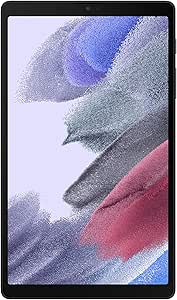 | Best Compact Student Tablet | Display: 8.7 inches | Model year: 2021 | Storage: 32GB, expandable up to 1TB | VIEW LATEST PRICE | See Our Full Breakdown |
| TECLAST P35 10.1 Inch Android 16 Tablet, Octa Core, Widevine L1, Face Unlock |  | Best for Streaming and Family Use | Display: 10.1-inch HD IPS, 1280 × 800 | Operating system: Android 16, GMS certified | Processor: Unisoc T7200 octa-core, 12nm | VIEW LATEST PRICE | See Our Full Breakdown |
| Nesusthin P10 Pro 10.1-Inch Android 16 Tablet, 32GB Storage, Expandable up to 1TB, Gray |  | Best for Expandable Storage | Operating system: Android 16 | Processor: Unisoc T7200 octa-core, up to 1.6 GHz | Display: 10.1-inch IPS, 1280 × 800 | VIEW LATEST PRICE | See Our Full Breakdown |
| NOVOJOY 10.1-Inch Android 15 Tablet with Case and Stylus, 8GB RAM, 32GB Storage |  | Best Starter Bundle | Operating system: Android 15 | Processor: 64-bit 2.0GHz quad-core | Display: 10.1-inch IPS touchscreen, 1280 × 800 | VIEW LATEST PRICE | See Our Full Breakdown |
| Samsung Galaxy Tab A11 (2026) – 8.7″ 90Hz Android Tablet, 64GB/4GB Wi‑Fi, Octa-core MediaTek Helio G99, Dual Dolby Speakers, 20W Fast Charger – International Latin Model SM-X133 (Gray) |  | Best Compact Study Tablet | Operating system: Android 15 with One UI 7 | Display: 8.7-inch TFT, 1340 × 800, 90Hz | Processor: MediaTek Helio G99 octa-core, up to 2.05 GHz | VIEW LATEST PRICE | See Our Full Breakdown |
| Lenovo Idea Tab 11-Inch 2.5K Tablet with Tab Pen and Folio Case |  | Best for Handwritten Notes | Display: 11-inch 2.5K IPS touchscreen, 90Hz | Processor: MediaTek Dimensity 6300, up to 2.4 GHz | Memory: 4GB | VIEW LATEST PRICE | See Our Full Breakdown |
| Amazon Fire HD 10 Tablet, 10.1-Inch Full HD Display, Octa-Core Processor, 4 GB RAM, 32 GB Storage, Black | 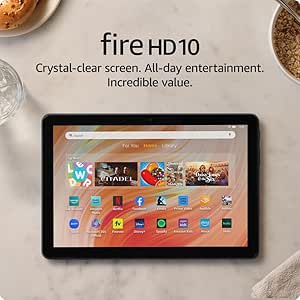 | Best for Long Study Sessions | Condition: Refurbished, tested, and certified to look and work like new | Display: 10.1-inch Full HD, 1920 × 1200, 224 ppi | Processor: Octa-core: 2× Cortex-A76 up to 2.05 GHz and 6× Cortex-A55 up to 2 GHz | VIEW LATEST PRICE | See Our Full Breakdown |
| Aiprotablet 10-inch Android 15 Tablet, 12GB RAM, 64GB Storage, Expandable to 1TB, Quad-Core Processor, 1280×800 LCD Touchscreen, WiFi 5, Dual Camera, 6000mAh Battery (Blue) |  | Best for Multitasking on a Tight Budget | Operating system: Android 15 | Processor: 2.0 GHz quad-core RK3562 | RAM: 12GB | VIEW LATEST PRICE | See Our Full Breakdown |
| Lenovo Tab One Tablet – 8.7-inch HD Display, 4GB RAM, 64GB Storage, MediaTek Helio G85, Includes Folio Case | 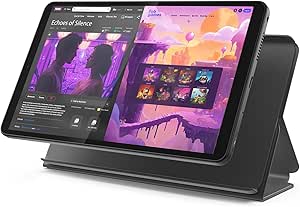 | Best Compact Pick for Carrying to Class | Operating system: Android 14 | Processor: MediaTek Helio G85 | RAM: 4GB | VIEW LATEST PRICE | See Our Full Breakdown |
| TCL TAB 10 Gen 4 Android Tablet, 10.1-inch FHD Display, 4GB RAM, 128GB Storage |  | Best for Reading and Working with Course Materials | Operating system: Android 15 | Processor: Octa-core MediaTek | RAM: 4GB physical, plus 8GB expandable RAM | VIEW LATEST PRICE | See Our Full Breakdown |
| Samsung Galaxy Tab A11 Wi-Fi (International Version), 8.7-inch, 64GB + 4GB, Gray |  | Best Compact Display for Smooth Scrolling | Operating system: Android 15 with One UI 7 | Processor: MediaTek Helio G99 octa-core | RAM: 4GB | VIEW LATEST PRICE | See Our Full Breakdown |
| ECOPAD K12E 10.1-Inch Android Tablet with Keyboard and Mouse |  | Best for Students Who Need Included Typing Accessories | Operating system: Android 15 in description; Android 13 in product information | Processor: ARM Cortex | RAM: 12GB | VIEW LATEST PRICE | See Our Full Breakdown |
| budget tablets for student | Display | Storage | Operating system | RAM |
|---|---|---|---|---|
| 10.1-inch Android 16 Tablet wi | 10.1-inch IPS HD touchscreen | 64GB internal, expandable up to 1TB | Android 16 | 24GB total: 3GB physical and 21GB virtual |
| Samsung Galaxy Tab A11+ | 11 inches, 90Hz | 128GB, expandable via microSD | — | 6GB |
| Evermyth 10-Inch Android 16 Ta | 10-inch IPS, 1280 × 800 | 64GB, expandable up to 1TB via TF card | Android 16 | 24GB total: 3GB physical and 21GB virtual |
| Samsung Galaxy Tab A7 Lite 8.7 | 8.7 inches | 32GB, expandable up to 1TB | Android with Samsung One UI | — |
| TECLAST P35 10.1 Inch Android | 10.1-inch HD IPS, 1280 × 800 | 32GB, expandable up to 2TB via TF card | Android 16, GMS certified | 16GB total: 3GB physical and 13GB virtual |
| Nesusthin P10 Pro 10.1-Inch An | 10.1-inch IPS, 1280 × 800 | — | Android 16 | — |
| NOVOJOY 10.1-Inch Android 15 T | 10.1-inch IPS touchscreen, 1280 × 800 | 32GB | Android 15 | 8GB listed (3GB physical + 5GB expansion) |
| Samsung Galaxy Tab A11 | 8.7-inch TFT, 1340 × 800, 90Hz | 64GB internal; microSD up to 2TB | Android 15 with One UI 7 | 4GB |
| Lenovo Idea Tab 11-Inch 2.5K T | 11-inch 2.5K IPS touchscreen, 90Hz | 128GB | — | — |
| Amazon Fire HD 10 Tablet | 10.1-inch Full HD, 1920 × 1200, 224 ppi | 32GB or 64GB; expandable up to 1TB via microSD | — | 3GB or 4GB, depending on configuration |
| Aiprotablet 10-inch Android 15 | 10.1-inch LCD, 1280 × 800 | 64GB; microSD expansion up to 1TB | Android 15 | 12GB |
| Lenovo Tab One Tablet | 8.7-inch HD, 480 nits, 60Hz | 64GB internal; expandable via microSD | Android 14 | 4GB |
| TCL TAB 10 Gen 4 Android Table | 10.1-inch IPS FHD, 1920 × 1200, 16:10 | 128GB; microSD expansion up to 1TB | Android 15 | 4GB physical, plus 8GB expandable RAM |
| Samsung Galaxy Tab A11 Wi-Fi | 8.7-inch TFT, 1340 × 800, 90Hz | 64GB; microSD expansion up to 2TB | Android 15 with One UI 7 | 4GB |
| ECOPAD K12E 10.1-Inch Android | 10.1-inch IPS, 1280 × 800 | 64GB; microSD expansion up to 1TB | Android 15 in description; Android 13 in product information | 12GB |
More Details on Our Top Picks
10.1-inch Android 16 Tablet with Keyboard, 24GB RAM + 64GB Storage, 1TB Expandable
The Jeazans Jzpad-KB10L makes the strongest case for students who want a tablet-and-accessories setup in one box. Its keyboard, mouse, stylus, and case can cover typing assignments, navigating class materials, and handwriting notes without sourcing each accessory separately. That makes it a more ready-to-work option than the Evermyth 10-Inch Android 16 Tablet, which has similar stated memory and storage but no listed productivity bundle. Both models have only 3GB of physical RAM; the larger advertised total includes virtual memory, so it should not be read as equivalent to 24GB of physical memory for demanding multitasking. The 64GB base storage is modest, though expansion helps with downloaded files. I would choose this for bundled convenience, not proven speed: battery capacity is unspecified, leaving class-day endurance harder to judge.
Pros:- Includes a Bluetooth keyboard, wireless mouse, stylus, and protective case
- Android 16 with Wi-Fi 6 and Bluetooth 5.4 connectivity
- Storage can be expanded up to 1TB
- USB-C PD fast-charging kit is included
Cons:- Only 3GB is physical RAM; the remainder is virtual memory
- Battery capacity and runtime are not specified
- 64GB internal storage may fill quickly with large course files and apps
Best for: Students who want a ready-to-use setup for typing, basic note-taking, and online coursework without buying a keyboard and case separately
Not ideal for: Students who need dependable performance across many demanding apps or documented all-day battery life, since physical RAM is limited and battery capacity is not provided
- Display:10.1-inch IPS HD touchscreen
- Operating system:Android 16
- RAM:24GB total: 3GB physical and 21GB virtual
- Storage:64GB internal, expandable up to 1TB
- Connectivity:Wi-Fi 6, Bluetooth 5.4, USB-C
- Cameras:Dual HD cameras
- Included accessories:Bluetooth keyboard, wireless mouse, stylus, leather case, PD charger
- Warranty:One year
Our verdict“Choose the Jeazans if a complete accessory bundle matters more than verified battery endurance or high physical RAM.”
Samsung Galaxy Tab A11+ (6 GB RAM, 128 GB storage, expandable) – Gray
The Samsung Galaxy Tab A11+ is the most balanced choice here for students who split a tablet between schoolwork and entertainment. Its 11-inch 90Hz screen gives reading, scrolling, and video a smoother feel than the 10.1-inch HD panels on the TECLAST P35 and Evermyth KB1001. Samsung also specifies 6GB of RAM and 128GB of storage, rather than relying on virtual memory to build a larger headline number; that gives buyers a clearer picture of the starting configuration. The listed 15-hour battery life and quad speakers make it a better fit for long study sessions with video breaks. Its tradeoff is setup cost in accessories: the charger is sold separately, and there is no included stylus or keyboard. I’d rank it above the smaller Galaxy Tab A7 Lite for coursework, but it is less compact to carry.
Pros:- 11-inch 90Hz display supports smoother scrolling and viewing
- 6GB physical RAM and 128GB internal storage
- Listed battery life of up to 15 hours
- Dolby Atmos quad speakers and expandable microSD storage
Cons:- 25W charger is sold separately
- No stylus or keyboard is included
- Larger screen makes it less compact than the Galaxy Tab A7 Lite
Best for: Students who want one tablet for reading, video lectures, web research, and entertainment, with a larger display and stated long battery life
Not ideal for: Students who need a compact one-handed device or want a stylus and fast charger included in the box
- Display:11 inches, 90Hz
- RAM:6GB
- Storage:128GB, expandable via microSD
- Battery:7040mAh; listed battery life up to 15 hours
- Charging:25W fast charging; charger sold separately
- Audio:Dolby Atmos quad speakers
- Front camera:5MP
- Included components:Data cable, ejection pin, quick start guide
Our verdict“Pick the Galaxy Tab A11+ if you value a larger smooth display, clear memory specifications, and long stated battery life over included accessories.”
Evermyth 10-Inch Android 16 Tablet, 24GB RAM, 64GB Storage, Expandable to 1TB
The Evermyth KB1001 suits students who want a straightforward screen for PDFs, browser-based coursework, and video calls without paying for a bundle of accessories they may not use. It has a 10-inch IPS display, Android 16, USB-C, and Wi-Fi 6, but its 1280 × 800 resolution is modest beside the Samsung Galaxy Tab A11+, whose larger 90Hz screen is the more polished option for extended reading and media. The advertised 24GB RAM also needs context: only 3GB is physical RAM, with the rest virtual, so I would not treat it as a heavy multitasking tablet. Its listed 6000mAh battery and up-to-eight-hour mixed-use estimate make endurance easier to gauge than on the Jeazans bundle, though shorter than Samsung’s stated runtime. Expandable storage is useful, but the TF card is not included.
Pros:- 10-inch IPS touchscreen with Android 16 and Google Play access
- Storage expandable up to 1TB via TF card
- Wi-Fi 6, Bluetooth 5.4, and USB-C
- 6000mAh battery with a stated mixed-use runtime of up to eight hours
Cons:- Only 3GB of physical RAM; the rest of the advertised total is virtual
- 1280 × 800 display resolution is modest for detailed reading
- TF card for expanded storage is not included
Best for: Students needing an affordable Android tablet for notes, web research, PDFs, and occasional video calls who are comfortable adding a memory card if needed
Not ideal for: Students who keep many demanding apps open, need a sharper screen for dense text, or expect accessories such as a keyboard to come included
- Display:10-inch IPS, 1280 × 800
- Operating system:Android 16
- Processor:Allwinner 5-core, up to 1.8GHz
- RAM:24GB total: 3GB physical and 21GB virtual
- Storage:64GB, expandable up to 1TB via TF card
- Battery:6000mAh; up to eight hours mixed use
- Cameras:5MP front, 8MP rear
- Connectivity:Dual-band Wi-Fi 6, Bluetooth 5.4, USB-C
Our verdict“Choose the Evermyth for basic coursework and expandable storage, but prefer the Galaxy Tab A11+ for a sharper-feeling, smoother media experience.”
Samsung Galaxy Tab A7 Lite 8.7″ 32GB Wi‑Fi Android Tablet – Long‑Lasting Battery, Compact Slim Design, Sturdy Metal Frame (US Version)
The Galaxy Tab A7 Lite is the portability pick: at about 0.44 pounds with an 8.7-inch screen, it is easier to slip into a small bag or use on a crowded commute than the 10- and 11-inch options here. Its metal frame and Samsung Kids features also make it a sensible shared or younger-student device. The compromise is clear in the 32GB of built-in storage and older 2021 model year. Compared with the Samsung Galaxy Tab A11+, it gives up screen space and starts with less storage, so I would not choose it as the main device for reading split-screen material or storing a large offline library. Expandable storage helps with media, but it does not change the small base capacity. This is best as a light-use companion, not a productivity substitute for the Jeazans keyboard bundle.
Pros:- Compact 8.7-inch form factor weighs approximately 0.44 pounds
- Sturdy metal frame for everyday carrying
- Storage expandable up to 1TB
- Samsung Kids features support supervised use
Cons:- 32GB internal storage is limited for apps and offline course materials
- Older 2021 model compared with newer options such as the Galaxy Tab A11+
- Small screen is less comfortable for split-screen study and long document sessions
Best for: Younger students and commuters who prioritize a lightweight tablet for reading, basic learning apps, and portable entertainment
Not ideal for: Students who need a large workspace, substantial built-in storage, or a newer device for heavier coursework and multitasking
- Display:8.7 inches
- Model year:2021
- Storage:32GB, expandable up to 1TB
- Operating system:Android with Samsung One UI
- Connectivity:Wi-Fi, Bluetooth 5.0
- Ports:USB-C
- Cameras:8MP rear, 2MP front
- Weight:Approximately 0.44 pounds
Our verdict“Choose the Tab A7 Lite when easy carrying matters more than screen space, storage capacity, or newer hardware.”
TECLAST P35 10.1 Inch Android 16 Tablet, Octa Core, Widevine L1, Face Unlock
The TECLAST P35 is the clearest fit for students who use a tablet as much for video as for coursework. Widevine L1 supports HD streaming on services such as Netflix and Disney+, and the listed 10–12 hours of video playback gives it a longer stated media runtime than the Evermyth KB1001, which is rated for up to eight hours of mixed use. Kids Mode and face unlock add convenience in a shared household. For schoolwork, though, the 32GB internal storage is a tight starting point, even with support for a large microSD card, and only 3GB of RAM is physical. Its 1280 × 800 screen is also less detailed than the Galaxy Tab A11+ display. I’d shortlist it for lectures, streaming, and family use; students relying on heavy multitasking or lots of installed apps should look elsewhere.
Pros:- Widevine L1 certification supports HD streaming on major services
- Listed video playback battery life of up to 10–12 hours
- Storage expandable up to 2TB via TF card
- Includes Kids Mode, face unlock, and a 3.5mm headphone jack
Cons:- Only 3GB of physical RAM; the remaining advertised memory is virtual
- 32GB internal storage may be restrictive before adding a TF card
- 1280 × 800 resolution is below Full HD, and cameras are low resolution
Best for: Students and families who want a tablet for video lectures, HD streaming, light browsing, and supervised shared use
Not ideal for: Students who need ample built-in space for apps, high-resolution document viewing, or demanding multitasking
- Display:10.1-inch HD IPS, 1280 × 800
- Operating system:Android 16, GMS certified
- Processor:Unisoc T7200 octa-core, 12nm
- RAM:16GB total: 3GB physical and 13GB virtual
- Storage:32GB, expandable up to 2TB via TF card
- Battery:6000mAh; up to 10–12 hours video playback
- Connectivity:2.4GHz and 5GHz Wi-Fi, Bluetooth 5.0, USB-C
- Special features:Widevine L1, face unlock, GPS+BDS, Kids Mode
Our verdict“Pick the TECLAST P35 for streaming-focused study breaks and shared family use, not as a high-capacity multitasking workhorse.”
Nesusthin P10 Pro 10.1-Inch Android 16 Tablet, 32GB Storage, Expandable up to 1TB, Gray
The Nesusthin P10 Pro makes the most sense for students who want a large microSD library for downloaded lessons, PDFs, and media without relying on cloud access. Its storage expansion up to 1TB is the standout advantage over the Lenovo Idea Tab, which lists more built-in capacity but no expandable-storage figure. The 10.1-inch screen gives notes and course pages more room than the compact Samsung Galaxy Tab A11, though its 1280 × 800 resolution is less crisp than the Lenovo’s 2.5K panel and the Fire HD 10’s Full HD display. Wi-Fi 6 and a 6000mAh battery suit campus and home study, but the 32GB internal storage starts tight, and a microSD card is not included. The 4GB physical RAM also makes this a basic study-and-streaming choice, not a strong multitasking machine.
Pros:- Storage can be expanded up to 1TB with a separately purchased microSD card.
- Wi-Fi 6 and Bluetooth 5.0 support current wireless accessories and networks.
- 10.1-inch IPS display gives documents more room than compact 8.7-inch tablets.
- 6000mAh battery with up to 8 hours of mixed use stated.
Cons:- 32GB of built-in storage leaves limited room before adding a microSD card.
- The 1280 × 800 display is less detailed than the Lenovo Idea Tab and Fire HD 10.
- 4GB physical RAM is a modest base for keeping multiple study apps active.
Best for: Students who download course materials and videos and want to add a microSD card as their library grows.
Not ideal for: Students who keep many apps installed or need a sharp display for detailed reading, since built-in storage is 32GB and resolution is 1280 × 800.
- Operating system:Android 16
- Processor:Unisoc T7200 octa-core, up to 1.6 GHz
- Display:10.1-inch IPS, 1280 × 800
- Physical RAM:4GB
- Built-in storage:32GB
- Expandable storage:Up to 1TB via microSD card; card not included
- Battery:6000mAh
- Connectivity:Wi-Fi 6, Bluetooth 5.0, USB-C
Our verdict“Choose the P10 Pro if expandable file storage matters more to you than a high-resolution screen or generous built-in capacity.”
NOVOJOY 10.1-Inch Android 15 Tablet with Case and Stylus, 8GB RAM, 32GB Storage
The NOVOJOY ZB10 is the most ready-to-go pick here for a student who wants a case and stylus in the box rather than shopping for basic accessories separately. That bundle helps with carrying the tablet between classes and making quick handwritten marks, though the included stylus should not be mistaken for a full laptop replacement. Like the Nesusthin P10 Pro, it has a 10.1-inch, 1280 × 800 display and storage expandable up to 1TB, but its listed quad-core processor is a more modest fit for demanding app loads than the octa-core chips in the P10 Pro and Samsung Galaxy Tab A11. The advertised 8GB RAM includes 5GB of expansion, so it is not equivalent to 8GB of physical memory. Its 32GB base storage and stated 6–8 hours of continuous use call for some planning around downloads and charging.
Pros:- Foldable protective case and stylus are included.
- Storage supports expansion up to 1TB.
- 10.1-inch IPS touchscreen provides a practical area for reading and basic notes.
- Wi-Fi 6, Bluetooth, and GPS are listed.
Cons:- The 1280 × 800 screen has less detail than the Lenovo Idea Tab and Fire HD 10.
- The listed 8GB RAM combines 3GB physical RAM with 5GB memory expansion.
- 32GB built-in storage is limited, and stated continuous battery life is 6–8 hours.
Best for: First-time tablet buyers and students who want a protective case and stylus included for basic note marking and everyday coursework.
Not ideal for: Students who rely on demanding multitasking, need a sharper screen, or want more than 32GB of built-in storage without buying a card.
- Operating system:Android 15
- Processor:64-bit 2.0GHz quad-core
- Display:10.1-inch IPS touchscreen, 1280 × 800
- RAM:8GB listed (3GB physical + 5GB expansion)
- Storage:32GB
- Expandable storage:Up to 1TB
- Battery:6000mAh; up to 6–8 hours continuous use stated
- Included components:Protective case and stylus
Our verdict“Pick the NOVOJOY if you want a basic study tablet with a case and stylus included, and can accept modest performance and limited base storage.”
Samsung Galaxy Tab A11 (2026) – 8.7″ 90Hz Android Tablet, 64GB/4GB Wi‑Fi, Octa-core MediaTek Helio G99, Dual Dolby Speakers, 20W Fast Charger – International Latin Model SM-X133 (Gray)
The Samsung Galaxy Tab A11 earns its place for students who value a small, easy-to-carry screen over a roomy workspace. Its 8.7-inch size is more comfortable to pack than the 10.1-inch Nesusthin P10 Pro, while the 90Hz refresh rate makes scrolling notes and web pages appear smoother. Samsung also supplies 64GB of built-in storage—twice the NOVOJOY ZB10’s listed capacity—and microSD expansion reaches 2TB. The Helio G99 and Dolby dual speakers add appeal for switching between class materials and video, although 4GB RAM still limits heavy multitasking. This is a Wi-Fi-only international model, and the listing says it lacks domestic warranty coverage, a meaningful ownership risk beside options such as the Lenovo Idea Tab with a stated one-year limited warranty. Its compact display is less suited to side-by-side documents or long writing sessions.
Pros:- Compact 8.7-inch body is easier to carry than 10- or 11-inch alternatives.
- 90Hz display supports smoother scrolling than the 60Hz-class screens listed for several rivals.
- 64GB internal storage plus microSD support up to 2TB.
- Helio G99 processor and Dolby dual speakers suit study breaks and everyday media.
Cons:- 4GB RAM can constrain intensive multitasking.
- Wi-Fi-only connectivity offers no cellular option for studying away from hotspots.
- International model is listed without domestic warranty coverage.
Best for: Students who carry a tablet daily, mainly read or stream on Wi-Fi, and prefer a compact device with more built-in storage than basic 32GB models.
Not ideal for: Students who need a large canvas for split-screen coursework, cellular access, or domestic warranty coverage.
- Operating system:Android 15 with One UI 7
- Display:8.7-inch TFT, 1340 × 800, 90Hz
- Processor:MediaTek Helio G99 octa-core, up to 2.05 GHz
- RAM:4GB
- Storage:64GB internal; microSD up to 2TB
- Battery:5100mAh
- Connectivity:Wi-Fi, Bluetooth 5.3, USB Type-C 2.0
- Audio:Dual Dolby speakers
- Included charger:20W fast-charging cube
Our verdict“Choose the Galaxy Tab A11 if portability and smooth scrolling matter more than a large study canvas or cellular connectivity.”
Lenovo Idea Tab 11-Inch 2.5K Tablet with Tab Pen and Folio Case
For students who expect to annotate readings or write directly on lecture material, the Lenovo Idea Tab is the most study-focused option in this group. Its included Tab Pen and folio case mean fewer accessories to source, and the 11-inch 2.5K, 90Hz display gives fine text and diagrams more clarity than the 1280 × 800 screens on the NOVOJOY and Nesusthin tablets. It also offers 128GB built-in storage, compared with 32GB on those two, and lists up to 12 hours of battery life. The tradeoff is that the 4GB memory may feel restrictive when many apps and browser tabs stay open. Unlike the Samsung Galaxy Tab A11, this is a larger device to carry, and no expandable-storage capacity is specified. It is the stronger choice for notes and reading, not necessarily for maximum multitasking.
Pros:- Sharp 11-inch 2.5K display with a 90Hz refresh rate.
- Lenovo Tab Pen and folio case are included.
- 128GB built-in storage exceeds the 32GB capacity of the Nesusthin and NOVOJOY.
- Up to 12 hours of battery life is stated, with quad Dolby Atmos-tuned speakers.
Cons:- 4GB memory may limit keeping several demanding apps active.
- No expandable-storage capacity is specified.
- Larger 11-inch form is less compact to carry than the Samsung Galaxy Tab A11.
Best for: Students who annotate PDFs, handwrite notes with a pen, and want a sharper, larger display with a folio included.
Not ideal for: Students who prioritize a pocketable device, heavy multitasking, or the ability to add storage with a microSD card.
- Display:11-inch 2.5K IPS touchscreen, 90Hz
- Processor:MediaTek Dimensity 6300, up to 2.4 GHz
- Memory:4GB
- Storage:128GB
- Battery:7216mAh; up to 12 hours stated
- Speakers:Quad Dolby Atmos-tuned speakers
- Included accessories:Lenovo Tab Pen and folio case
- Warranty:1-year limited parts and labor
Our verdict“Choose the Lenovo Idea Tab if handwritten notes and a crisp reading display matter more than compact size or expandable storage.”
Amazon Fire HD 10 Tablet, 10.1-Inch Full HD Display, Octa-Core Processor, 4 GB RAM, 32 GB Storage, Black
The refurbished Amazon Fire HD 10 stands out for students who want a Full HD screen and long stated battery life without moving to the larger, higher-resolution Lenovo Idea Tab. Its 10.1-inch 1920 × 1200 display is noticeably more detailed on text and video than the 1280 × 800 panels on the Nesusthin P10 Pro and NOVOJOY ZB10. Amazon lists up to 13 hours of use, expandable storage up to 1TB, USB-C, dual speakers, and a headphone jack, useful for studying in shared spaces. The key compromise is the refurbished condition, which may not suit buyers who want a new device. The supplied 9W adapter can take under four hours to charge, and the microSD card is separate. Compared with the Android tablets here, the Fire’s software environment is another point to check against the apps required for coursework.
Pros:- 10.1-inch Full HD display is sharper than the HD panels on the Nesusthin and NOVOJOY.
- Up to 13 hours of battery life is stated.
- Storage supports expansion up to 1TB with a separately purchased microSD card.
- Includes USB-C, dual speakers, and a 3.5mm headphone jack.
Cons:- This listing is for a refurbished tablet, not a new unit.
- The included 9W adapter is listed with charging time under four hours.
- Does not support Wi-Fi 6, and the microSD card is sold separately.
Best for: Students who want a larger Full HD screen, headphone-jack audio, and extended stated battery life for reading, video lessons, and offline files.
Not ideal for: Students who require a new device, Wi-Fi 6, or unrestricted access to the Android app setup they use for coursework.
- Condition:Refurbished, tested, and certified to look and work like new
- Display:10.1-inch Full HD, 1920 × 1200, 224 ppi
- Processor:Octa-core: 2× Cortex-A76 up to 2.05 GHz and 6× Cortex-A55 up to 2 GHz
- RAM:3GB or 4GB, depending on configuration
- Storage:32GB or 64GB; expandable up to 1TB via microSD
- Battery life:Up to 13 hours
- Charging:USB-C; under 4 hours with included 9W adapter
- Audio:Dual integrated speakers and 3.5mm stereo jack
Our verdict“Pick the refurbished Fire HD 10 if display sharpness and long stated runtime are priorities and its condition and app environment fit your coursework.”
Aiprotablet 10-inch Android 15 Tablet, 12GB RAM, 64GB Storage, Expandable to 1TB, Quad-Core Processor, 1280×800 LCD Touchscreen, WiFi 5, Dual Camera, 6000mAh Battery (Blue)
The Aiprotablet C20e puts a stated 12GB of RAM and expandable storage in a student-focused 10.1-inch package, making it a fit for juggling notes, browser tabs, and downloaded class materials. Its microSD expansion up to 1TB gives offline files room to grow, though the card is sold separately. Compared with the TCL TAB 10 Gen 4, it offers more listed RAM but gives up the TCL’s sharper 1920 × 1200 screen; that difference matters when reading small text or viewing detailed slides. The Aiprotablet’s 1280 × 800 display is better suited to routine coursework and video than fine-detail work. A 6000mAh battery and USB-C add practical convenience, but the basic cameras and quad-core processor make this a less convincing choice for frequent video calls or demanding apps.
Pros:- 10.1-inch screen provides more room for notes and split-screen tasks than compact tablets.
- 64GB storage with microSD expansion up to 1TB supports large offline class libraries.
- 6000mAh battery and USB-C charging suit a day of mixed school and entertainment use.
- Wi-Fi 5 and Bluetooth 5.0 support common campus and accessory connections.
Cons:- 1280 × 800 resolution is less crisp for dense text than the TCL TAB 10 Gen 4’s FHD display.
- The microSD card needed for expansion is not included.
- 2MP front and 5MP rear cameras are limited for video calls and document capture.
Best for: Students who want a roomy 10-inch screen, substantial stated RAM, and expandable space for downloaded lectures and documents.
Not ideal for: Students who regularly read dense PDFs, rely on video calls, or need confidence in demanding app performance; the display is modest in resolution and the cameras are basic.
- Operating system:Android 15
- Processor:2.0 GHz quad-core RK3562
- RAM:12GB
- Storage:64GB; microSD expansion up to 1TB
- Display:10.1-inch LCD, 1280 × 800
- Battery:6000mAh
- Connectivity:Wi-Fi 5, Bluetooth 5.0, USB-C
- Cameras:5MP rear, 2MP front
Our verdict“Choose the Aiprotablet if expandable storage and stated memory matter more than a sharp screen or stronger cameras.”
Lenovo Tab One Tablet – 8.7-inch HD Display, 4GB RAM, 64GB Storage, MediaTek Helio G85, Includes Folio Case
The Lenovo Tab One is the easiest option here to take from lecture to library: its 8.7-inch screen and sub-one-pound weight favor portability over a roomy workspace. The included folio case is useful from day one, while the Helio G85 and 4GB of RAM suit reading, streaming, and routine school apps. Compared with the larger TCL TAB 10 Gen 4, the Lenovo is easier to hold and pack, but its smaller HD display gives less space for split-screen notes and its 64GB storage starts with less capacity than the TCL’s 128GB. Lenovo lists up to 12.5 hours of YouTube streaming, a helpful reference for long days, though actual study time will vary with use. The 60Hz panel is ordinary rather than especially fluid, and students with extensive offline files may need a separate microSD card.
Pros:- Compact, under-one-pound design is convenient for backpacks and one-handed reading.
- Folio case is included, so basic protection does not require a separate accessory.
- Listed streaming endurance of up to 12.5 hours supports extended use between charges.
- Google Kids Space and parental controls can help families share the device.
Cons:- 8.7-inch HD screen offers less workspace than the 10.1-inch TCL TAB 10 Gen 4.
- 64GB base storage may call for a separately purchased microSD card.
- 60Hz refresh rate is less fluid than the Samsung Galaxy Tab A11’s 90Hz display.
Best for: Students who carry a tablet all day, mainly read or stream on it, and want a protective case included.
Not ideal for: Students who need a large canvas for side-by-side notes, frequent multitasking, or substantial built-in storage.
- Operating system:Android 14
- Processor:MediaTek Helio G85
- RAM:4GB
- Storage:64GB internal; expandable via microSD
- Display:8.7-inch HD, 480 nits, 60Hz
- Battery life:Up to 12.5 hours of YouTube streaming
- Weight:Under 1 lb
- Included accessory:Folio case
Our verdict“Pick the Lenovo Tab One for portable reading and everyday coursework, not for a large or high-detail study screen.”
TCL TAB 10 Gen 4 Android Tablet, 10.1-inch FHD Display, 4GB RAM, 128GB Storage
The TCL TAB 10 Gen 4 earns its place through the clearest large display in this group: its 10.1-inch 1920 × 1200 panel makes small text, diagrams, and lecture slides easier to inspect than on the Aiprotablet or ECOPAD K12E, both of which list 1280 × 800 screens. It also starts with 128GB of storage, double their built-in capacity, and can add more through microSD. Its slim metal body weighs 0.87 lb, so the larger screen does not make it unwieldy to carry. The tradeoff is 4GB of physical RAM, which is less generous on paper than the Aiprotablet’s and ECOPAD’s stated 12GB. The listing also says an 18W-compatible charger is required but not included, adding a practical accessory check for students who want fast charging.
Pros:- 1920 × 1200 FHD display provides sharper text and detail than the Aiprotablet and ECOPAD K12E.
- 128GB internal storage leaves more room for coursework before adding a microSD card.
- Slim 0.87 lb metal body is comparatively easy to carry between classes.
- Android 15, family controls, and a headphone jack support everyday student use.
Cons:- 4GB physical RAM is lower than the 12GB listed for the Aiprotablet and ECOPAD K12E.
- Compatible charger for 18W fast charging is not included.
- Sound Booster is unavailable when using headphones.
Best for: Students who read PDFs, review detailed slides, and want a sharp 10-inch display with more built-in file space.
Not ideal for: Students who prioritize high stated RAM or need fast charging without sourcing a compatible charger separately.
- Operating system:Android 15
- Processor:Octa-core MediaTek
- RAM:4GB physical, plus 8GB expandable RAM
- Storage:128GB; microSD expansion up to 1TB
- Display:10.1-inch IPS FHD, 1920 × 1200, 16:10
- Battery:6000mAh
- Charging:18W fast charging; compatible charger not included
- Weight and body:0.87 lb; unibody metal
- Connectivity:Wi-Fi 5, Bluetooth 5.1, USB-C, 3.5mm headphone jack
Our verdict“Choose the TCL TAB 10 Gen 4 when screen clarity and built-in storage matter more than higher listed RAM.”
Samsung Galaxy Tab A11 Wi-Fi (International Version), 8.7-inch, 64GB + 4GB, Gray
The Samsung Galaxy Tab A11 stands apart from the Lenovo Tab One with its 90Hz refresh rate, which can make scrolling through readings and navigating menus feel smoother. Its Helio G99 processor and Android 15 with One UI 7 also make it a stronger compact-tablet proposition on paper than the Lenovo’s Helio G85, while the 8.7-inch body remains easy to carry. This is still a small screen, not a substitute for the TCL TAB 10 Gen 4 when annotating broad lecture slides or keeping two documents visible. The 64GB internal storage is modest, though microSD expansion reaches up to 2TB. Students should also account for the listing’s international version and limited warranty coverage; it is Wi-Fi only, and a charger is not included.
Pros:- 90Hz display offers smoother scrolling than the Lenovo Tab One’s 60Hz panel.
- Helio G99 octa-core processor is a stronger listed platform than the Lenovo’s Helio G85.
- microSD expansion supports cards up to 2TB, useful for downloaded lessons and media.
- Dolby dual speakers and a 3.5mm headphone jack offer flexible listening options.
Cons:- 8.7-inch display provides less workspace than the 10.1-inch TCL TAB 10 Gen 4.
- Wi-Fi-only configuration has no cellular connectivity or SIM slot.
- International model has limited warranty coverage, and no charger is included.
Best for: Students who want a compact Android tablet for reading, browsing, and media, with smoother scrolling than a standard 60Hz screen.
Not ideal for: Students who need cellular connectivity, a large study workspace, a bundled charger, or straightforward local warranty support.
- Operating system:Android 15 with One UI 7
- Processor:MediaTek Helio G99 octa-core
- RAM:4GB
- Storage:64GB; microSD expansion up to 2TB
- Display:8.7-inch TFT, 1340 × 800, 90Hz
- Battery:5100mAh; listed for up to 12 hours
- Cameras:8MP rear autofocus, 5MP front
- Connectivity:Wi-Fi, Bluetooth 5.3, USB-C 2.0
- Audio:Dolby dual speakers and 3.5mm headphone jack
Our verdict“Pick the Galaxy Tab A11 for a more responsive compact screen, provided its international warranty and Wi-Fi-only setup suit you.”
ECOPAD K12E 10.1-Inch Android Tablet with Keyboard and Mouse
The ECOPAD K12E is the bundle pick for students who expect to type a lot: its included keyboard and mouse offer a laptop-style setup without needing to source those accessories separately. That makes it more suited to drafting notes or basic assignments than the Aiprotablet, which has a similar 10.1-inch, 1280 × 800 display and stated 12GB RAM but no listed keyboard or mouse. The tradeoff is that the ECOPAD’s listing gives conflicting operating system versions—Android 15 in the description and Android 13 in product information—so buyers should verify what is supplied. Its 64GB storage can expand by microSD, but the display has less detail than the TCL TAB 10 Gen 4’s FHD panel. Wi-Fi 6 is a useful connectivity spec, though it does not resolve the uncertainty around software support.
Pros:- Keyboard and mouse are included for typing and pointer-based work.
- 10.1-inch display provides more room than the compact Lenovo Tab One.
- Storage can expand by microSD up to 1TB.
- Wi-Fi 6 and Bluetooth 5.0 support modern wireless connections.
Cons:- Listing conflicts on whether the tablet runs Android 13 or Android 15.
- 1280 × 800 resolution is less sharp than the TCL TAB 10 Gen 4’s FHD screen.
- 2MP front camera is limited for remote classes and video calls.
Best for: Students who mainly write notes or short assignments and want a keyboard and mouse included in the box.
Not ideal for: Students who need clear operating-system information, sharp text for long reading sessions, or a reliable setup for demanding coursework.
- Operating system:Android 15 in description; Android 13 in product information
- Processor:ARM Cortex
- RAM:12GB
- Storage:64GB; microSD expansion up to 1TB
- Display:10.1-inch IPS, 1280 × 800
- Battery:6000mAh
- Connectivity:Wi-Fi 6, Bluetooth 5.0
- Cameras:8MP rear, 2MP front
- Included accessories:Keyboard and mouse
Our verdict“Choose the ECOPAD K12E for its bundled typing accessories only if you are comfortable confirming its software version before buying.”

How We Picked
I compared these tablets as student tools, weighing the everyday tasks that shape a school day: opening class apps, reading documents, joining video calls, taking notes, browsing research, and carrying the device between home and campus. I gave more weight to clearly stated processor and physical-memory details, usable built-in storage, screen size and resolution, software and app access, and whether included accessories add genuine study value. Expandable storage can help with downloaded files, but it does not replace responsive performance or enough internal space for apps.
The order favors balanced, clearly specified options first, then tablets that suit narrower needs such as handwriting, portability, media, or a bundled keyboard. Established-brand models generally rank ahead of lesser-known devices when their specifications are easier to interpret and their software ecosystem is a better-defined fit. I treated unusually large RAM claims, accessory bundles, and international variants cautiously: they may suit some buyers, but buyers should verify configuration, network or warranty details, and app compatibility before choosing. Because this lineup spans different sizes and use cases, the ranking is about student fit, not a claim that every model serves the same workload.
Factors to Consider When Choosing Budget Tablets For Students
Before choosing among these budget tablets, I’d start with the work the device needs to do and the apps a school requires. A tablet can be a useful reader or note-taking companion without replacing a laptop, and buying it as though it must do both can lead to the wrong compromise.
Match the Tablet to Your Coursework
Start by listing the tasks you’ll do every week, not just the ones that sound appealing in a product listing. Reading PDFs, viewing course pages, and watching lectures are lighter workloads than running demanding creative apps, managing many browser tabs, or editing large files. Ask your school or instructor whether particular apps, browser features, or file formats are required before choosing an operating system. A tablet that cannot run a required app is poor value even if its accessory bundle looks generous. If your course depends on desktop software, plan for a laptop or school computer rather than expecting a budget tablet to substitute for one. Choose the tablet as a companion when its strengths match your actual study routine.
Read RAM and Storage Claims Carefully
Product listings may combine physical RAM with software-based memory expansion, so a large total does not always mean the device has that amount of fast, physical memory. Look for a clearly stated physical RAM figure and a processor model before comparing devices. Internal storage is where apps and offline files live, while a microSD card, when supported, is more useful for documents, media, and other stored files. Do not assume expandable storage will make apps run faster or move every app to the card. Students who download lecture videos or keep course files offline should leave space for updates and new apps, rather than choosing only by the advertised maximum capacity. A clear, modest configuration can be a safer school purchase than a confusing bundle of inflated numbers.
Choose Screen Size for How You Study
A larger screen makes split-screen reading and note-taking more comfortable, but it takes up more room in a backpack and can be awkward to use while standing or commuting. Compact 8.7-inch models are easier to carry and hold for long reading sessions, though documents and web pages may require more scrolling. A 10- or 11-inch display offers more workspace for class materials, but resolution and text clarity matter alongside diagonal size. If you often read scanned textbooks, compare how much of a page can be viewed at a comfortable zoom. Consider your bag, desk space, and typical reading position before paying extra for a larger panel. The best size is the one that fits both your coursework and your daily carry.
Check App Access Before Buying into an Ecosystem
Students often need more than a browser: think class portals, document editors, cloud storage, video meetings, and authentication apps. Check that the exact model and its operating system support the required services, especially when a listing describes an international version or an unfamiliar brand. Amazon’s Fire tablets use a different app environment from standard Android tablets, which can suit reading and media but may require workarounds or lack a needed app. Do not assume that an app available on one Android tablet will be equally easy to install on every device. Also check how long the manufacturer says it will provide software and security updates, since a school device may need to remain useful for several academic years. App compatibility is a better reason to choose a platform than brand familiarity alone.
Treat Keyboard and Pen Bundles as Tools, Not Bonuses
A keyboard is useful for essays, emails, and longer assignments, but a bundled keyboard may be cramped, awkward to angle, or less pleasant for extended typing than a separate accessory. A stylus matters most for handwritten equations, diagramming, annotation, or sketching; it adds little for students who mainly type and read. Check whether a pen is included, whether it supports the functions you need, and whether replacement tips or charging are required. A folio can protect the tablet and prop it up, yet it also adds weight to a device chosen for portability. Compare the total setup you will carry with the tablet alone, not just the number of items in the box. Buy accessories for a study task you know you perform.
Decide When a Better-Specified Model Is Worth It
Paying more within this category can make sense when it buys a clearly stronger processor, more physical RAM, larger internal storage, a sharper screen, or a useful supported pen—not merely a longer feature list. These improvements matter most when you keep several apps open, work with large documents, or plan to use the tablet beyond one school year. For occasional reading and lecture playback, a simpler device may be adequate, particularly if your school already provides computers for demanding work. Check the warranty, return terms, charger inclusion, and regional model details before ordering; a low-cost tablet can become a poor choice if support or compatibility is uncertain. Compare configurations by what they enable in your coursework, not by a single headline number. That approach helps avoid paying for accessories or claims that do not improve your day-to-day study setup.
Frequently Asked Questions
Can a budget tablet replace a laptop for college coursework?
It can handle reading, web research, video meetings, and many note-taking or document tasks, but it may not run desktop-only software or support every required workflow. Before buying, check course requirements for applications, file handling, external displays, and exam software. A keyboard improves typing comfort but does not turn every tablet into a full laptop replacement. If your program depends on specialized tools, use a laptop or campus computer for those tasks and treat the tablet as a portable companion. That distinction can prevent a tablet purchase that leaves a student unable to complete required work.
Is expandable storage a good reason to choose a tablet with less built-in storage?
Expandable storage can be a practical way to carry downloaded readings, videos, and personal files, provided the specific model supports a memory card. It usually does not increase physical RAM or make the processor faster, and some apps may remain tied to internal storage. A low internal-storage configuration can fill quickly once the operating system, updates, and school apps are installed. Check what can be saved to a card and leave room for app updates before relying on expansion. For a student who needs many apps installed at once, more built-in storage is often the safer choice.
Should I choose a small tablet or a 10- or 11-inch model for class?
A compact tablet is easier to carry and hold, which suits commuting, casual reading, and quick reference during class. A larger display gives more room for PDFs, split-screen work, and on-screen typing, but adds bulk. Think about whether you read full-page documents, take notes beside lecture slides, or mostly use short web pages and ebooks. If possible, compare screen dimensions rather than relying only on the diagonal measurement. Your course materials and carrying habits should decide the size, not the assumption that bigger is always better.
Are the international Samsung tablet versions suitable for school?
They may work well for school tasks, but a regional model can differ in warranty coverage, included charger, software configuration, or cellular-band support. Confirm that the listing is for the exact Wi-Fi or cellular version you intend to buy and check compatibility with your school’s required apps. A Wi-Fi-only student who uses campus and home networks may not need cellular bands, but warranty and service terms still matter. Also compare the listed processor, memory, and storage with other versions rather than assuming the model name guarantees identical hardware. If easy local support is a priority, verify who handles service before ordering.
When is a tablet with a keyboard or stylus bundle actually worth choosing?
A keyboard bundle is worthwhile when you regularly write longer assignments or messages away from a desk, and a stylus is useful for handwriting, math, diagrams, or annotating readings. Neither accessory is automatically a better deal if its layout, compatibility, or writing feel does not suit your work. Consider whether you can use the tablet comfortably without the accessory, since bundled cases and keyboards add carrying weight. For students who mainly watch lectures and read, a better-screened or better-supported tablet may be more useful than extra hardware. Match the bundle to a repeated study habit, not a possibility you may never use.
Conclusion
For the strongest all-around student fit, I’d choose the Samsung Galaxy Tab A11+, with its clearly stated 6GB RAM and 128GB storage. The best value depends on the task: the Amazon Fire HD 10 is a sensible basic media-and-reading pick for students who are comfortable with Amazon’s app environment, while the TCL TAB 10 Gen 4 offers a 10.1-inch FHD screen and 128GB storage in a more conventional Android option. For a more capable study setup, the Lenovo Idea Tab is my best premium pick here, particularly for students who will use its included pen and folio. The best choice for beginners is a straightforward, established-brand tablet such as the Lenovo Tab One for simple reading and browsing, rather than an unfamiliar bundle with hard-to-interpret memory claims. For handwriting, pick the Idea Tab; for a compact carry, compare the Galaxy Tab A11 models and Lenovo Tab One; for bundled typing accessories, inspect the keyboard models closely before deciding. Confirm app support, exact configuration, and regional warranty details before making the final choice.