
📊 Full opportunity report: Tracking Chronic Skin Conditions Through Photos And Flare Notes on IdeaNavigator AI — validation score, market gap, and execution plan.

Get the latest gadgets delivered free with Prime
- Fast, free delivery on millions of items
- Prime Video, Amazon Music and more included
- Member-only deals all year
TL;DR
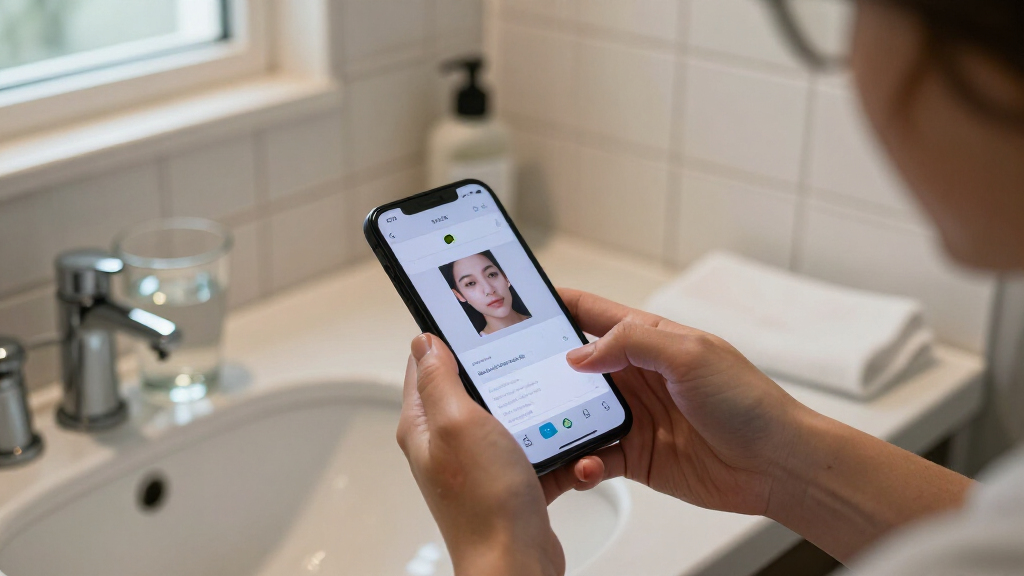
A product concept proposes weekly, guided skin photos and brief trigger notes to help adults with eczema or psoriasis track flares between dermatology visits. The idea has not been shown to improve care: a suggested pilot would test whether 15 eczema patients use it and whether dermatologists find the timeline helpful.
IdeaNavigator AI has proposed a guided photo journal for adults with eczema or psoriasis to document skin flares between dermatology appointments. The concept pairs weekly photos with brief notes about possible triggers, but it is a product proposal—not a tested clinical tool—and its effect on appointments or treatment decisions is unknown.
The proposed minimum product would prompt users to take a weekly photo using consistent framing and lighting guidance. Each image would be dated and arranged in a side-by-side flare timeline, with a short note for the user to record a possible trigger or other relevant detail. The goal is to create a record that is easier to review than unaided recall during a visit.
The concept addresses a specific tracking problem: patients may have difficulty remembering when a flare began, what they think may have preceded it, and whether a treatment seems to be helping. The proposal says appointments can consequently depend on vague recollection rather than dated images. It does not provide research establishing how often that occurs or whether a photo timeline would change clinical decisions.
The suggested business model is a subscription for features such as unlimited history, photo exports, and a visit-preparation summary PDF. To test the idea, the proposal recommends recruiting 15 people with eczema to log photos weekly for one month, then asking their dermatologists whether the timeline affected the visit and measuring participants’ willingness to pay. No completed trial, pricing, or user results are reported.
A Dated Record for Dermatology Visits
If patients and clinicians find the record useful, a consistent timeline could give appointment discussions a clearer account of how a condition changed over time. Dated photos may help patients show visible changes that are difficult to summarize from memory, while brief notes could preserve the patient’s own observations about possible triggers. These are intended benefits of the concept, not outcomes demonstrated by testing.
The proposal matters because it turns a familiar phone-camera habit into a defined health-tracking workflow. But usefulness depends on more than storing images: users must keep taking them, photos must be comparable enough to review, and clinicians must find the information relevant to care. The suggested pilot focuses on these early questions rather than claiming the app can diagnose a condition or recommend treatment.
As an affiliate, we earn on qualifying purchases.
From Phone Photos to Flare Timelines
The idea is aimed at adult eczema and psoriasis patients managing symptoms between visits, rather than at a broad general wellness audience. Its rationale is that phone cameras and cloud storage make it easy to keep dated images, while some teledermatology visits ask patients to bring progress photos. The proposal offers no figures on how commonly clinicians request those images or how many patients already track symptoms this way.
Its design choices are deliberately narrow: weekly capture, consistent framing and lighting prompts, a dated sequence, and a note attached to each entry. That scope would let an initial test examine whether people can follow the routine and whether the resulting record is useful in an appointment. The concept does not describe a medical-record integration, automated image analysis, or clinician monitoring service.
As an affiliate, we earn on qualifying purchases.
Clinical Value Still Needs Testing
The proposal provides no pilot findings, peer-reviewed evidence, or reported dermatologist feedback. It remains unclear whether weekly images would be frequent enough to capture meaningful changes, whether users would maintain the habit, or whether consistent framing would make photos easier to compare across time. The proposed test covers eczema patients only, so it would not by itself establish usefulness for people with psoriasis.
It is also unknown whether the timeline would alter a clinician’s assessment, improve treatment discussions, or simply add material to review during an already limited appointment. The suggested willingness-to-pay measure could indicate interest in a subscription, but no price, conversion target, privacy arrangements, or data-retention policy is specified. Photos of affected skin can be sensitive personal health information, making secure storage and clear user controls relevant questions for any eventual product.
As an affiliate, we earn on qualifying purchases.
A Small Pilot Is the Proposed Test
The next step described is a one-month test with 15 eczema patients, who would submit weekly photos and notes. Afterward, the team behind any implementation would ask participating dermatologists whether the timeline changed the visit and assess whether patients would pay for features such as expanded history or a visit summary. The proposal does not say that recruitment has begun or give a timetable for the study.
Any reported results would need to clarify how adherence was measured, what clinicians meant by a changed visit, and whether the findings support development beyond this narrow workflow. Until such evidence is available, the photo journal should be understood as an untested tracking idea, not a proven way to manage eczema or psoriasis.
Source: IdeaNavigator AI
dermatology appointment preparation tools
As an affiliate, we earn on qualifying purchases.
As an affiliate, we earn on qualifying purchases.
Key Questions
What is the proposed app meant to do?
It would prompt adults with eczema or psoriasis to take weekly, consistently framed photos and add a brief note about a possible trigger, creating a dated timeline to review between dermatology visits.
Has the photo-journal approach been tested?
No results are provided. A one-month pilot with 15 eczema patients is proposed, but it is not reported as completed or underway.
Would the timeline diagnose a flare or recommend treatment?
The described workflow is for tracking and visit preparation. No diagnostic or treatment-recommendation function is specified, and the idea is not presented as a substitute for medical care.
What would the pilot try to find out?
It would test whether patients log photos weekly, ask dermatologists whether the timeline affected the appointment, and measure willingness to pay. The proposal gives no outcomes or evaluation criteria beyond those measures.
Source: IdeaNavigator AI
Halloween Picks
halloween
As an affiliate, we earn on qualifying purchases.