
When you’re under prolonged stress, your body and mind can become out of sync, making relaxation feel unfamiliar or even threatening. Your nervous system remains in a heightened state, keeping muscles tense and alertness high, which drains your energy and creates a disconnect between feeling mentally calm and physically relaxed. This rewiring can make it hard to let go of stress because your brain forgets how to switch off danger mode. Keep exploring to understand how to restore that essential connection.
Key Takeaways
- Chronic stress causes neural and physiological changes that make the body and mind resistant to relaxation.
- The nervous system remains in a heightened alert state, disrupting the natural switch between stress and calm.
- Persistent stress rewires brain pathways, making relaxation feel unfamiliar or threatening.
- Fatigue and ongoing tension create a disconnection, preventing the body from recognizing restful states.
- Understanding neuroplasticity and practicing patience can gradually restore the body’s ability to relax.

Have you ever noticed that after prolonged stress, trying to relax feels more uncomfortable than restful? It’s as if your body and mind are fighting against each other, creating a disconnect that’s hard to bridge. This phenomenon is often called the mind-body disconnect, and it’s a common experience when you’ve been under chronic stress. Instead of settling into a calm state, you might feel restless, jittery, or even guilty for not “doing” something. This dissonance makes relaxation feel unfamiliar, almost alien, as your brain and body struggle to sync up again.
When stress piles up over days or weeks, your nervous system stays in a heightened state—your sympathetic nervous system remains active, keeping you alert and ready to respond to threats. As a result, your body remains tense, your heart rate stays elevated, and your muscles stay clenched. This persistent state of arousal drains your energy, leading to fatigue and inertia. Even when you try to sit still or quiet your mind, you may feel an overwhelming sense of unrest or the urge to move. Your body resists relaxation because it’s been conditioned to stay alert, and that inertia makes it difficult to switch gears. You might find yourself staring at the ceiling, feeling guilty for not being productive, or simply unable to settle into calmness.
This fatigue isn’t just physical; it’s also mental. Your mind becomes flooded with racing thoughts or worries, and trying to silence them feels like an uphill battle. The longer you stay in this stressed state, the more your nervous system rewires itself to expect danger, which makes relaxation seem unnatural or even threatening. It’s as if your brain has forgotten how to switch off the constant alertness, and your body has forgotten what rest feels like. This cycle of fatigue and inertia feeds into itself, making it harder to break free from the stress pattern. Recognizing that stress responses are a natural adaptation can help you be patient with yourself. With consistent practice and patience, you can begin to restore that vital connection and make the act of relaxation feel more familiar and genuine again. Developing awareness of the nervous system’s role can further empower you to manage and ease this disconnection over time. Understanding how your autonomic nervous system functions can help you approach relaxation with greater compassion and patience. Additionally, understanding how neuroplasticity influences the rewiring process can motivate ongoing efforts to reset your stress response.

Mr. Sandman Weighted Blanket for Adults, Queen Size 15 lbs, 60 x 80 Inches
- Enhanced Sleep Quality: Distributes weight evenly for better sleep
- Year-Round Comfort: Reversible design for all seasons
- Durable and Safe: Made from skin-friendly, long-lasting materials
As an affiliate, we earn on qualifying purchases.
As an affiliate, we earn on qualifying purchases.
Frequently Asked Questions
How Long Does It Take to Reprogram Your Stress Response?
Reprogramming your stress response typically takes several weeks to months, depending on your consistency. Through neuroplasticity adaptation, your brain rewires to better regulate stress hormones, reducing anxiety over time. Regular relaxation practices, like mindfulness or deep breathing, accelerate this process. Keep in mind, patience is key—your brain needs ongoing effort to establish new, healthier response patterns. With persistence, you’ll notice your stress response becoming more balanced and natural.
Can Relaxation Techniques Worsen Anxiety Initially?
Imagine trying to silence a noisy room—relaxation techniques can sometimes amplify anxiety initially. You might experience the mindfulness paradox, where focusing inward heightens awareness of discomfort. Breathing mechanics may feel off or shallow at first, making you worry more. But don’t worry—this is temporary. As you practice, relaxation deepens, and your mind learns to settle, transforming that storm into calm waters.
Is Chronic Stress Linked to Long-Term Health Issues?
Yes, chronic stress is linked to long-term health issues like heart disease, weakened immunity, and mental health problems. When you struggle with stress management, your mental resilience diminishes, making it harder to recover. This ongoing stress keeps your body in a constant state of alertness, which can damage your health over time. Prioritizing relaxation and developing mental resilience are essential steps to mitigate these risks and improve overall well-being.
Are Some People More Prone to Feeling Unnatural During Relaxation?
Yes, some people are more prone to feeling unnatural during relaxation due to mindfulness struggles and relaxation resistance. If your mind is used to constant stress, it can be hard to switch into a calm state. You might feel uncomfortable or restless, as your body resists the idea of unwinding. This resistance makes relaxation feel unfamiliar, and you may need extra practice or guidance to ease into peaceful moments comfortably.
What Are Signs That Relaxation Is Not Working for You?
You might notice your relaxation isn’t working when your mind keeps racing, even during mindfulness exercises or breathing techniques. Perhaps you feel restless, tense, or irritated, despite trying to unwind. Your body may resist calming signals, or you might experience difficulty focusing or genuinely feeling at ease. These signs suggest your stress has deeply ingrained itself, making relaxation feel unnatural. Keep pushing forward—your mind and body are telling you they need more patience and practice.
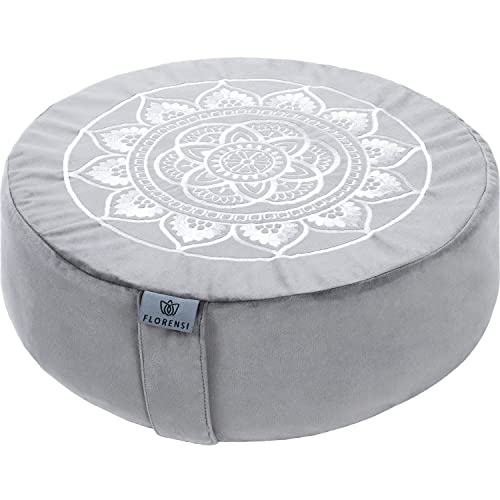
Florensi Meditation Cushion Grey Velvet Buckwheat Round Yoga Floor Seat
- Comfortable Meditation Seating: Stable and supportive for meditation and yoga
- Buckwheat Filled Cushion: Conforms to your seating for support
- Soft Velvet Cover: Stylish and comfortable surface
As an affiliate, we earn on qualifying purchases.
As an affiliate, we earn on qualifying purchases.
Conclusion
Remember, even the strongest oak bends before the storm, and so must you learn to surrender after long days of stress. When relaxation feels unfamiliar, it’s your mind’s way of whispering that healing takes time. Embrace patience, for just as the night gives way to dawn, so too will your body adjust. Trust that, like the tide returning to shore, calmness will find its way back to you—if you let it.

Stress Relief Essential Oil Blend 30 ml – Calming, Relaxing for Diffusers
- Aromatherapy Benefits: Promotes relaxation and tranquility
- Pleasant Aroma: Creates a fresh, calming ambiance
- Versatile Use: Suitable for diffusers and massage
As an affiliate, we earn on qualifying purchases.
As an affiliate, we earn on qualifying purchases.

Vagus Nerve Deck: 75 Exercises to Reset Your Nervous System
As an affiliate, we earn on qualifying purchases.
As an affiliate, we earn on qualifying purchases.