
TL;DR

Get the latest gadgets delivered free — and shop member deals
- Fast, free delivery on millions of items
- Access to Prime Big Deal Days deals on October 6–7
- Prime Video, Amazon Music and more included
An increasing number of people are ditching smartwatches for simpler devices that focus on core health tracking, citing distraction, cost, and style preferences. This shift reflects a broader move toward minimalism in wearable tech.
Growing numbers of consumers are choosing to abandon their smartwatches in favor of simpler, screen-free fitness bands and traditional analog watches, citing concerns over distraction, cost, and overcomplexity.
Many users report feeling overwhelmed by the constant notifications and feature overload of modern smartwatches. Reddit user u/NeoMoose stated, “My phone is already too much distraction,” highlighting how notifications from wearables can contribute to digital fatigue.
Additionally, some consumers find the health tracking features of smartwatches to be less accurate than expected and prefer more straightforward devices that focus solely on fitness metrics. For example, a Redditor switching from a minimal device to a Garmin smartwatch quickly regretted the added distraction during workouts.
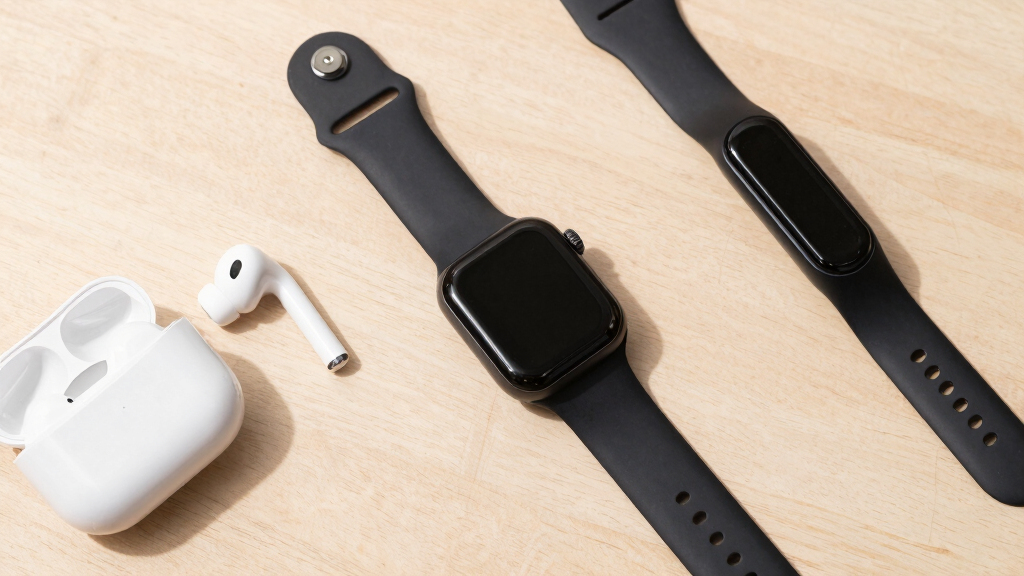
Cost is another factor; high-end smartwatches like the Apple Watch Series 11 start at $399, making them less appealing amid inflation and economic concerns. Cheaper alternatives, such as Fitbit’s Air or hybrid watches from Withings, offer essential health features at a fraction of the price.
Safety concerns also arise, as studies suggest that glancing at smartwatches while driving can be more distracting than looking at a phone, raising questions about their everyday safety.
Impacts of the Shift Toward Minimalist Wearables
This trend indicates a potential shift in consumer preferences toward less intrusive, more affordable, and style-compatible wearable devices. It may influence how tech companies develop future products, emphasizing simplicity and core functionalities over feature creep.
For users, this could mean a move toward healthier digital habits and a focus on genuine utility rather than distraction or aesthetic appeal. It also signals a broader cultural shift toward valuing analog and low-tech options in a digital-heavy world.
As an affiliate, we earn on qualifying purchases.
Background on the Wearable Tech Market Evolution
Since the mid-2010s, smartwatches have gained popularity by promising quick access to notifications and health data. However, consumer feedback has revealed issues with distraction, feature overload, and cost. Recent months have seen a rise in interest in simpler, screen-free fitness bands like Google’s Fitbit Air and subscription-based devices like Whoop, reflecting a desire for minimalism and focus on essential health metrics.
“”My phone is already too much distraction,””
— u/NeoMoose, Reddit
As an affiliate, we earn on qualifying purchases.
Extent and Future of the Minimalist Wearable Trend
It is not yet clear how widespread this shift will become or whether it will significantly impact the overall smartwatch market. Consumer preferences may evolve as new models and features are introduced, or as economic conditions change.
analog watch with fitness features
As an affiliate, we earn on qualifying purchases.
As an affiliate, we earn on qualifying purchases.
Emerging Products and Market Responses to Simplicity Trend
Manufacturers are likely to respond with more hybrid and analog-style watches that combine traditional aesthetics with select smart features. Additionally, the market for affordable, screen-free fitness bands is expected to grow, catering to consumers seeking minimalism and affordability. Monitoring sales data and consumer feedback over the coming months will clarify whether this is a lasting shift.
hybrid smartwatch with traditional design
As an affiliate, we earn on qualifying purchases.
As an affiliate, we earn on qualifying purchases.
Key Questions
Why are some people choosing to ditch their smartwatches?
Many users cite distraction from notifications, feature overload, high costs, and a desire for more traditional or minimalist designs as reasons for abandoning smartwatches.
Are simpler fitness devices as effective as smartwatches?
Some simpler devices, like Google’s Fitbit Air or hybrid watches, focus on core health metrics and can be effective for basic fitness tracking, though they lack advanced features like ECG or blood oxygen monitoring found in higher-end smartwatches.
Will this trend affect the overall smartwatch market?
It remains uncertain. While some consumers are shifting toward minimalism, the overall market for smartwatches continues to grow, driven by new features and technological advances.
Could this lead to a decline in smartwatch sales?
Potentially, but current data suggests a diversification of options rather than a decline. The market may split into segments catering to different preferences—high-tech versus simple, traditional devices.
What should consumers consider before switching to a simpler device?
Consumers should evaluate their primary needs—whether they want detailed health data, distraction-free use, or style compatibility—and compare costs and features of available options.
Source: Engadget
Fall Picks
fall essentials
As an affiliate, we earn on qualifying purchases.