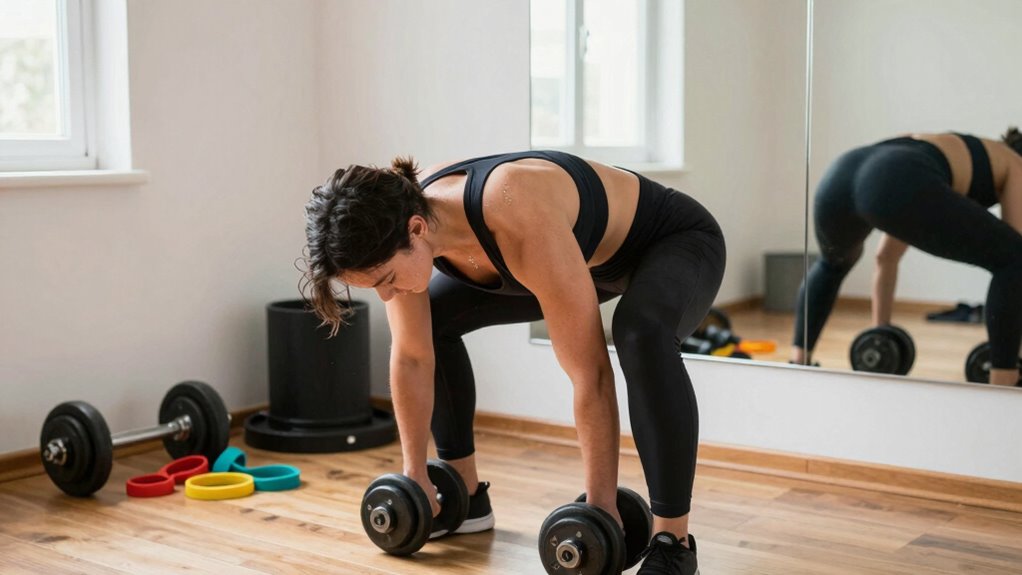

A common mistake you might make as a home gym beginner is overloading your full-body workouts with too many exercises or training too often. This can lead to burnout, injuries, and slow progress. Instead, focus on a few key exercises and give your muscles enough time to recover between sessions. Spreading out your workouts most effectively and listening to your body will help you stay consistent and see better results. Keep going to explore how to avoid this mistake entirely.
Open a free Amazon Business account
Business pricing, bulk buying and tax-exempt orders.
As an affiliate, we earn on qualifying purchases.
Key Takeaways
- Overloading workouts with too many exercises or frequent sessions leads to burnout and injury.
- Beginners often neglect proper planning and recovery, causing ineffective training and slow progress.
- Using complex or unsuitable equipment hampers consistency and proper form.
- Failing to balance workout intensity and rest days results in overtraining and setbacks.
- Prioritizing quality over quantity ensures proper technique and sustainable long-term progress.
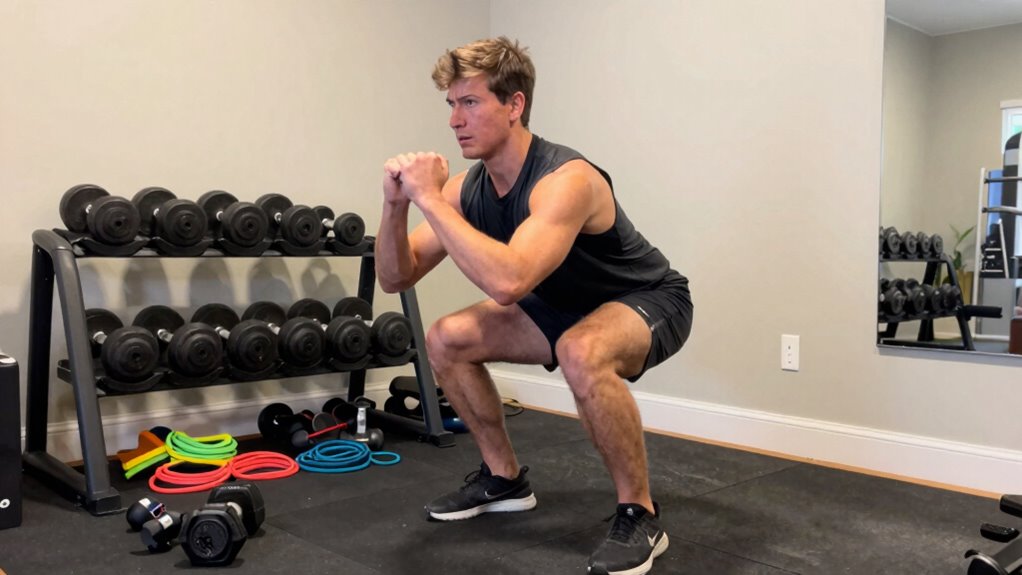
Starting a full-body workout routine at home can be exciting, but many beginners make the mistake of overloading their sessions with too many exercises or training too frequently. This approach can lead to burnout, injury, and slow progress. One common pitfall is poor equipment selection. Instead of trying to buy every piece of workout gear, focus on a few versatile, quality items that support multiple exercises. For example, a set of adjustable dumbbells, resistance bands, and a sturdy yoga mat can cover most of your needs. Investing in the right equipment helps you stay consistent and prevents frustration caused by equipment that’s underwhelming or hard to use. Remember, you don’t need fancy machines or extensive gear to get a good workout at home; simplicity and quality are key. Additionally, understanding training volume and how it impacts recovery is crucial for beginners to avoid overtraining and ensure steady progress. When it comes to workout frequency, many beginners think that more is better. They believe working out every day will speed up their results. However, overtraining is a real concern, especially when doing full-body routines that target multiple muscle groups in each session. Instead, aim for 3 to 4 sessions per week. This allows your muscles enough time to recover and adapt, which is *vital* for building strength and endurance. Spreading out your workouts also keeps you motivated, as you won’t feel exhausted or overwhelmed. Incorporating proper workout planning can optimize your results and prevent common mistakes. Incorporate rest days into your schedule, and use them to focus on light stretching or active recovery. This approach not only reduces the risk of injury but also improves overall performance and long-term consistency. It’s tempting to jump into intense sessions right away, but starting slow and gradually increasing intensity is smarter. Choose exercises that match your current fitness level and focus on proper form. As you progress, you can add more sets, reps, or resistance. Keep your workout sessions balanced; don’t neglect different muscle groups, but also avoid overdoing it. Remember, quality trumps quantity. Instead of trying to do everything in one session, break your workout into manageable parts, and *guarantee* your equipment setup supports this plan. This way, you build a sustainable routine that fits your lifestyle and promotes steady progress without risking injury or burnout.
adjustable dumbbells for home workouts
As an affiliate, we earn on qualifying purchases.
As an affiliate, we earn on qualifying purchases.
Frequently Asked Questions
How Often Should I Do Full-Body Workouts at Home?
You should do full-body workouts at home about three times a week, allowing at least one rest day between sessions for recovery. Incorporate good nutrition tips, like eating enough protein and staying hydrated, to support your progress. Keep your workout frequency consistent, but listen to your body—if you feel sore or fatigued, give yourself extra rest. This balanced approach helps maximize gains and prevents overtraining.
What Equipment Is Essential for Effective Full-Body Training?
For effective full-body training, you need a variety of equipment like dumbbells, resistance bands, and a stability ball. These tools allow you to target different muscle groups safely and effectively. Prioritize workout safety by using proper form and not overloading weights. Incorporating equipment variety keeps your workouts interesting and all-encompassing, helping you build strength and endurance without risking injury.
How Can I Prevent Injury During Full-Body Exercises?
To prevent injury during full-body exercises, start with warm-up routines that increase blood flow and loosen muscles. Focus on dynamic movements rather than static stretches. Throughout your workout, use proper form and avoid overexertion. After exercising, do cool-down stretches to relax your muscles and improve flexibility. Listening to your body is key—stop if you feel pain, and gradually build intensity to stay safe and prevent injuries.
What’s the Best Way to Track Progress With Full-Body Routines?
To track progress with full-body routines, focus on consistent progress measurement by recording your workouts, reps, and weights used. Set clear goals for strength, endurance, or flexibility, and regularly review your achievements. Use a workout journal or app to monitor changes over time. Adjust your routines based on your progress, ensuring you stay motivated and on track toward your fitness goals effectively.
How Do I Modify Workouts for Different Fitness Levels?
To modify workouts for different fitness levels, start with exercise modifications suited to your current ability, like reducing weight or reps for beginners. As you progress, incorporate beginner adaptations such as increased resistance or added sets. Always listen to your body, ensuring proper form, and gradually challenge yourself. This approach helps prevent injury and keeps your routine effective, regardless of your fitness level.
resistance bands set for strength training
As an affiliate, we earn on qualifying purchases.
As an affiliate, we earn on qualifying purchases.
Conclusion
Avoid falling into the trap of overloading your full-body workouts. Think of your muscles as a delicate garden—push too hard without giving them time to rest, and you’ll risk weeds of injury taking root. Instead, nurture your progress with balanced, intentional moves, allowing each session to be a gentle rain that helps your strength blossom. Stick to this rhythm, and you’ll cultivate a resilient, thriving body that’s ready to face any challenge ahead.
As an affiliate, we earn on qualifying purchases.
full-body workout equipment for beginners
As an affiliate, we earn on qualifying purchases.
As an affiliate, we earn on qualifying purchases.
Evergreen bestsellers Picks
bestsellers
As an affiliate, we earn on qualifying purchases.