

To handle burnout effectively, prioritize self-care by setting boundaries, taking regular breaks, and scheduling time for yourself. Incorporate mindfulness techniques like deep breathing or gentle pauses during busy moments to stay grounded. Improve your time management by breaking tasks into smaller steps and using tools like calendars. Recognize your signs of stress early and adjust accordingly. Balancing hustle with self-care is essential—discover more strategies to stay resilient and maintain your well-being.
Key Takeaways
- Recognize early signs of burnout to address stress before it worsens.
- Incorporate mindfulness practices like deep breathing and mindful pauses into daily routines.
- Prioritize tasks, set boundaries, and schedule regular breaks to maintain balance.
- Use time management tools to organize work and allocate time for self-care.
- Foster resilience by gradually integrating self-care habits and practicing emotional regulation.

Are you feeling overwhelmed and drained despite putting in effort at work and in your personal life? Burnout can sneak up on you when you least expect it, leaving you exhausted, disengaged, and questioning your motivations. The good news is that you can regain control by adopting simple yet effective strategies. One of the most powerful tools you have is mindfulness techniques. These practices help you stay present, reduce stress, and gain clarity about your needs. When you’re mindful, you become more aware of your physical and emotional cues, allowing you to recognize signs of burnout early before they spiral out of control. Incorporate deep breathing exercises, body scans, or even mindful pauses during your day—just a few moments to reset and reconnect with yourself. These techniques shift your focus away from overwhelming tasks and toward a calmer, more centered state of mind.
Alongside mindfulness techniques, improving your time management skills is vital. Burnout often stems from feeling overwhelmed by an unmanageable workload or poor boundary setting. By prioritizing tasks and creating realistic schedules, you can prevent that sense of being constantly behind. Break larger tasks into smaller, actionable steps, and assign specific time slots to each one, making your workload feel more approachable. Use tools like calendars or to-do lists to stay organized and guarantee you’re dedicating time not only to work but also to self-care. When you manage your time effectively, you gain a sense of control and reduce the anxiety that contributes to burnout. Remember, it’s not just about working harder but working smarter—allocating your energy where it’s needed most and giving yourself permission to rest. Incorporating protective styling techniques can also help give your mind and body a break from constant styling routines that drain your energy.
Practicing mindfulness and managing your time go hand in hand. When you’re mindful of how you spend your time, you’re better equipped to recognize when you’re overcommitting or neglecting your well-being. It encourages you to set boundaries, like turning off work notifications after hours or scheduling regular breaks. This balance helps you avoid the cycle of pushing yourself too hard and then crashing. Over time, these habits cultivate resilience, making it easier to handle stress and maintain motivation. Remember, handling burnout isn’t about making drastic changes overnight but about gradually integrating these practices into your daily routine. By doing so, you’ll not only recover your energy but also create a sustainable approach to your work and personal life, ultimately leading to a more fulfilling and balanced existence.

Tikom Robot Vacuum and Mop Combo, 5000Pa Robotic Vacuum Cleaner, 150 Min Max, App & Remote Control, Ideal for Hard Floor, Carpet, Pet Hair, Self-Charge(G8000 Max)
5000Pa Strong Suction: Robot Vacuum With 5000Pa suction power, it effortlessly removes pet hair, dust, and debris from...
As an affiliate, we earn on qualifying purchases.
Frequently Asked Questions
How Can I Recognize Early Signs of Burnout?
You can recognize early signs of burnout by noticing increasing stress, emotional exhaustion, and irritability. Pay attention to feelings of detachment or lack of motivation, which signal your emotional resilience is waning. If you start to feel overwhelmed or physically drained despite efforts at stress management, it’s a clear sign to pause. Address these symptoms early by prioritizing self-care, setting boundaries, and seeking support before burnout worsens.
What Are Quick Self-Care Practices During Busy Workdays?
Feeling overwhelmed during a busy workday? Take a moment for mindful breathing—inhale deeply, hold, then exhale slowly to reset your focus. Follow that with quick stretches: reach for the ceiling, roll your shoulders, or stretch your legs. These simple practices boost your energy and reduce stress fast. Don’t wait until you’re exhausted—incorporate these self-care hacks now to keep burnout at bay and stay productive throughout your day.
How Does Sleep Affect Burnout Recovery?
Sleep greatly impacts your burnout recovery. Prioritizing sleep hygiene helps you achieve restorative sleep, which is essential for healing and recharging your mental and physical health. When you get quality sleep, your body reduces stress hormones and repairs itself, making it easier to bounce back from burnout. Consistently practicing good sleep habits guarantees you wake up refreshed and better equipped to handle daily stresses, fostering resilience and overall well-being.
Can Diet Influence Burnout Prevention?
Yes, your diet can influence burnout prevention. By practicing nutrition awareness and maintaining healthy eating habits, you support your energy levels and reduce stress. Consuming balanced meals rich in fruits, vegetables, lean proteins, and whole grains helps stabilize mood and improve focus. Avoid excessive caffeine or sugar, which can cause crashes. Staying mindful of your nutrition empowers you to fuel your body properly, making burnout less likely over time.
When Should I Seek Professional Help for Burnout?
Imagine a knight seeking aid in a modern castle—you should seek professional help for burnout when your daily functioning feels impossible, and stress becomes overwhelming. Don’t let mental health stigma stop you; reaching out is brave. If workplace support feels insufficient or your exhaustion persists despite self-care efforts, consulting a mental health professional is crucial. Prioritize your well-being before burnout takes a toll on your health and happiness.
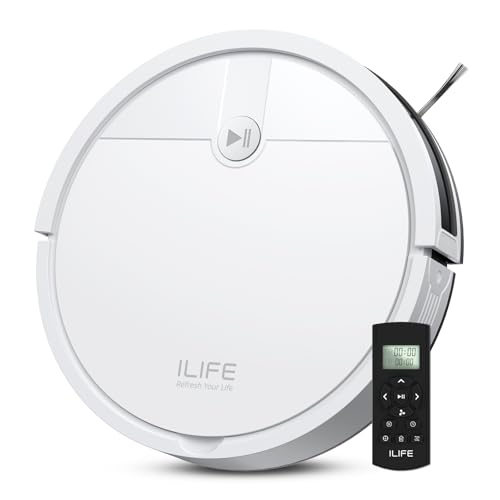
ILIFE V2 Robot Vacuum Cleaner, Tangle-Free Suction, 120 Mins Runtime, Slim, Self-Charging Robotic Vacuum Cleaner, Ideal for Pet Hair and Hard Floors
Fits Pet Owners: With a tangle-free suction port, V2 robot vacuum focuses on picking up hair without tangle;...
As an affiliate, we earn on qualifying purchases.
Conclusion
Remember, you’re the captain of your ship, steering through stormy seas. Balance your hustle with self-care, or you’ll find yourself stranded on a deserted island of exhaustion. Think of it like tending to a garden—neglect one part, and the whole thing suffers. Even in the midst of your busy days, take a moment to breathe, recharge, and nurture yourself. Only then can you sail smoothly toward success without burning out like a candle at both ends.

ILIFE V5s Plus Robot Vacuum and Mop Combo with Wi-Fi/App/Alexa, Automatic Self-Charging Robotic Vacuum Cleaner, Slim and Quiet, Cleans Hard Floors Carpets and Pet Hair (V5s Pro Upgrade Version)
Intelligent Voice Control: ILIFE V5s Plus is also compatible with Alexa and Google Assistant, you can start or...
As an affiliate, we earn on qualifying purchases.

ROPVACNIC Robot Vacuum Cleaner Robot Vacuum and Mop Combo with 5200Pa Suction, Personalized Cleaning Adjustments, Self-Charging Robotic Vacuum Cleaner, Advanced Obstacle Avoidance
【2-in-1 Mopping and Vacuuming】 The ROPVACNIC Robot S1 integrates advanced electronically controlled mopping technology, significantly enhancing both cleaning...
As an affiliate, we earn on qualifying purchases.