

When comparing smart home device bundles, the real choice is often between a budget starter kit and a premium bundle built around one ecosystem. Both may include familiar basics such as a hub or speaker, smart bulbs, and a plug, but they differ in how well those devices work together and how easily the system can grow. A starter bundle makes sense if you want to automate a few lights or appliances at low cost and can tolerate some setup work. A premium ecosystem bundle is a better fit if you want one dependable control experience, plan to add devices over time, or care about features such as routines and voice control. The key tradeoff is paying less upfront versus buying into a more unified system.

Get the latest gadgets delivered free with Prime
- Fast, free delivery on millions of items
- Prime Video, Amazon Music and more included
- Member-only deals all year

Smart Home Starter Kit with Echo Hub, Amazon Smart Plug, and 4 Smart Bulbs
- ✔ Included items: Echo Hub, Amazon Smart Plug, 4 Amazon Basics Smart Bulbs
- ✔ Display: 8-inch touchscreen, 1280 x 800 resolution
- ✔ Connectivity: Dual-band Wi-Fi, Bluetooth, Zigbee, Thread, Matter

Ring Alarm 14-Piece Security System Kit
- ✔ Kit contents: Base Station, 2 Keypads, 8 Contact Sensors, 2 Motion Detectors, Range Extender
- ✔ Connectivity: Ethernet, Wi-Fi, Z-Wave, Bluetooth for setup
- ✔ Battery backup: Rechargeable, up to 24 hours
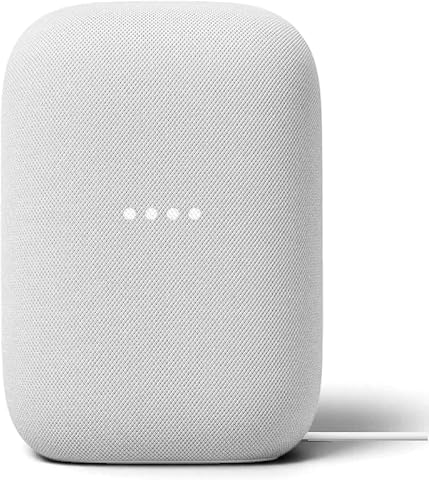
Google Nest Audio (3-Pack) Smart Speakers
- ✔ Unit count: 3 speakers
- ✔ Assistant: Google Assistant
- ✔ Connectivity: Wi-Fi, Bluetooth 5.0
At a Glance
| Criteria | Budget starter bundle | Premium ecosystem bundle | Winner |
|---|---|---|---|
| Upfront cost | Usually lower, with a few essential devices included | Higher upfront cost for a coordinated set of devices | A |
| Setup and ease of use | Can involve separate apps, accounts, or manual setup | Often designed for one app and a guided setup | B |
| Cross-device integration | Basic routines may work, but behavior varies by brand | Devices are more likely to share routines and status in one ecosystem | B |
| Compatibility and expansion | May support common standards, though compatibility needs checking | Can offer a clearer expansion path, subject to ecosystem and standard support | Depends |
| Automation and control | Covers everyday tasks with simpler schedules and controls | Often provides richer routines and more consistent voice or app control | B |
| Reliability and support | Support and software updates vary across manufacturers | A single platform can simplify updates and troubleshooting | B |
Smart Home Starter Kit with Echo Hub, Amazon Smart Plug, and 4 Smart Bulbs
This bundle is the most balanced starting point in the lineup because it combines a central controller with devices we can use for everyday lighting and plug control. The 8-inch Echo Hub touchscreen gives household members a visual way to access controls and routines, while the included Amazon Smart Plug and four bulbs make the kit useful as soon as setup is complete. That mix gives it broader day-to-day reach than the Ring kit, which concentrates on security, or the Nest Audio pack, which concentrates on sound.Compatibility is a key reason to choose this option. The hub lists Zigbee, Thread and Matter alongside Wi-Fi and Bluetooth, which can help when adding supported products from different categories. That does not mean every device will work with every feature, so buyers should check compatibility for products they already own. The hub also offers Ethernet and PoE support, useful for a fixed installation, but it needs a compatible power adapter or PoE equipment. Wall mounting may call for extra hardware and tools.We would choose this bundle for someone who wants a visible control point and a practical first set of lighting and plug devices. It does not match Ring’s sensor coverage for home security, and it cannot deliver the multi-room listening setup included with Nest Audio. Its advantage is versatility across common smart home tasks, with the caveat that buyers planning a larger system may still need to add devices tailored to their priorities.
Pros:
- Combines an Echo Hub, smart plug and four bulbs for several useful starting tasks.
- The 8-inch touchscreen provides visual control in addition to voice access.
- Zigbee, Thread and Matter support give it broad potential for compatible device expansion.
- Ethernet and PoE support offer installation options beyond standard Wi-Fi and USB-C power.
Cons:
- A compatible USB-C PD adapter or PoE equipment may be needed for the preferred installation.
- Wall mounting can require a drill and additional hardware.
- The bundle does not include the door and motion sensors found in the Ring security kit.
Best for: Households starting an Alexa-centered smart home who want a touchscreen controller, basic lighting and plug automation in one bundle.
Not ideal for: Buyers primarily seeking a complete alarm sensor kit, a multi-room speaker system or a setup that needs no additional power or mounting equipment.
Bottom line: We rank this first for its combination of visual control, useful included devices and protocol flexibility, provided buyers are comfortable with its power and mounting requirements.
“We rank this first for its combination of visual control, useful included devices and protocol flexibility, provided buyers are comfortable with its power and mounting requirements.”
Ring Alarm 14-Piece Security System Kit
For buyers whose first concern is knowing when a door opens or motion is detected, Ring offers the most focused bundle here. Its box includes eight contact sensors and two motion detectors, plus two keypads, a base station and a range extender. Compared with the Echo Hub bundle, it devotes far more of its contents to monitoring entry points and rooms; compared with Nest Audio, it is a security system rather than an entertainment package.The system is designed for DIY setup through the mobile app, and the two keypads can make arming and disarming more convenient at separate entry points. Alexa compatibility also connects it to a voice-assistant ecosystem. However, the bundle’s strengths are concentrated in alarm coverage. It does not provide the Hub’s touchscreen-led control alongside bulbs and a plug, and it does not offer Nest’s multi-room audio capabilities. Buyers should also distinguish the included alarm hardware from optional services: professional monitoring and cellular backup require a subscription, and cellular availability depends on a third-party carrier.We would choose Ring when the sensor count and security workflow are the main reasons for buying a bundle. It is less compelling as a general smart home starter kit if lighting and mixed-device control are the goal. The two keypads and sensor-heavy contents make it a more substantial security installation than the other picks, but the subscription-dependent backup options are an ongoing consideration.
Pros:
- Includes eight contact sensors and two motion detectors for broad entry and room coverage.
- Two keypads can support arming and disarming from more than one location.
- App-guided DIY setup and Alexa compatibility make it accessible within a connected home.
- The system can be expanded with additional sensors and compatible accessories.
Cons:
- Professional monitoring and cellular backup require a paid subscription.
- Cellular backup depends on third-party carrier availability.
- The kit focuses on alarm security rather than general lighting or multi-room audio.
Best for: People in a two- to four-bedroom home who want a DIY alarm system with multiple contact sensors, motion detectors and keypads.
Not ideal for: Buyers looking for an all-purpose hub with included lighting and plug control, or those who do not want optional security services to depend on a subscription.
Bottom line: Ring is the clearest choice when sensor coverage matters more than broad smart home control, though buyers should account for subscription-dependent backup features.
“Ring is the clearest choice when sensor coverage matters more than broad smart home control, though buyers should account for subscription-dependent backup features.”
Google Nest Audio (3-Pack) Smart Speakers
The Nest Audio three-pack makes the most sense when a household wants music and voice access distributed across rooms. Its three speakers support multi-room playback and stereo pairing, allowing audio to follow people around the home or two units to work together as a stereo setup. That is a more coherent audio bundle than the Echo Hub kit, which includes no speakers, and it is a better fit for listening than Ring, whose devices are built for alarm coverage.Each speaker combines a 75 mm woofer and 19 mm tweeter, with Wi-Fi and Bluetooth connectivity and built-in Google Assistant. For buyers already using Google services, voice commands can also provide a route to control compatible smart home devices. Still, this pack is not a full smart home starter bundle in the same sense as the Echo option: there are no included bulbs, plugs or sensors. The speakers need corded power, and they are not water resistant, so placement near sinks or outdoors is unsuitable.We would choose this pack for rooms where listening and hands-free access are the priorities, especially when Google Assistant is already part of the household’s routine. Buyers who need a touchscreen controller or a dedicated alarm should look to the Echo Hub or Ring kit. Nest Audio earns a distinct place in the roundup through its three-speaker format, but it is the narrowest choice for someone seeking a bundle that begins with multiple types of smart home hardware.
Pros:
- Three speakers support multi-room playback and stereo pairing.
- Built-in Google Assistant provides voice control and access to compatible smart home functions.
- Wi-Fi and Bluetooth support flexible audio connections.
- The woofer and tweeter configuration is designed for room-filling sound in a compact speaker.
Cons:
- Speakers require corded power and have no built-in battery.
- They are not water resistant, limiting suitable placement.
- The pack includes no dedicated hub, smart plug, bulbs or security sensors.
Best for: Google Assistant households that want voice control and synchronized audio in several indoor rooms.
Not ideal for: People seeking a security sensor package, smart lighting and plug devices, battery-powered speakers or water-resistant audio equipment.
Bottom line: We recommend this bundle for Google-centered homes that value room-to-room listening, while buyers building out lighting or security will need a different starting point.
“We recommend this bundle for Google-centered homes that value room-to-room listening, while buyers building out lighting or security will need a different starting point.”
As an Amazon Associate we earn from qualifying purchases.
Key Differences
The budget starter bundle wins on upfront cost. It lets a household try connected lighting, plugs, or sensors without committing much money to one platform. That is valuable when the goal is narrow: turn on a lamp remotely, set a basic schedule, or see whether smart home controls fit daily routines. The tradeoff is that a low-cost kit may combine devices from different makers, leaving setup and troubleshooting spread across apps or support channels.
The premium ecosystem bundle costs more but can make daily use feel more coherent. Devices managed through the same platform are more likely to appear together in one app and participate in shared routines. That does not guarantee every feature works across every product, and standards support should still be checked before purchase. For a home that will gain more lights, sensors, locks, or speakers over time, the premium bundle can reduce friction and make the initial expense more worthwhile. For a small, fixed setup, the extra integration may not justify the price.
Detailed Comparison
Upfront cost (Budget starter bundle wins — major)
The budget starter bundle wins by a major margin on initial spending. It is suited to a small trial or a room-specific setup, where a few connected devices are enough. The premium bundle asks for more money at the outset, so its price makes sense only if the included ecosystem features or planned expansion will be used.
The premium ecosystem bundle usually wins by a moderate margin when its devices are designed to work through one platform. A single app and coordinated setup can make installation and everyday control simpler. A budget bundle can be straightforward too, but mixing brands may mean multiple apps, accounts, and setup steps. Check what is actually included, since bundle labels alone do not promise a seamless install.
The premium ecosystem bundle wins by a moderate margin for routines that link several types of device. It is more likely to coordinate lights, plugs, and a voice assistant through a shared platform. A starter kit can handle basic actions, but mixed-brand devices may not share the same triggers or controls. This matters most when you want a single routine to coordinate several rooms or devices.
Compatibility and expansion (major difference)
This criterion depends on the specific products. A budget bundle can be a good value if its devices support standards you already use and do not lock you into one vendor. A premium ecosystem may make expansion easier within its platform, but could limit choices outside it. Compare supported standards, device lists, and any hub requirements before buying; neither price tier wins automatically.
The premium bundle wins by a moderate margin for more involved schedules and voice or app control. Its coordinated platform may make it easier to build routines that react to time, presence, or device status. The starter option is sufficient for straightforward schedules and remote switching. If your needs stop at turning a light on at sunset, its simpler controls may be all you need.
The premium ecosystem bundle has a moderate practical advantage when one platform provides software updates and a central place to manage devices. If something stops responding, a more consistent system can make the cause easier to identify. Still, reliability depends on the actual products, network, and vendor support policy. With a mixed budget bundle, troubleshooting may require checking each manufacturer’s app and guidance.
Budget starter bundle: Pros and Cons
Pros:
- Lower upfront cost for basic smart home functions
- A manageable way to try connected devices before committing to an ecosystem
- Can suit a small setup that needs only simple schedules or remote control
Cons:
- Mixed brands can mean multiple apps and uneven integration
- Expansion may require careful compatibility checks
- Support and update policies can vary between included devices
Pros:
- More coordinated control when devices share an ecosystem
- Often a smoother base for routines and later expansion
- One platform can simplify setup and everyday management
Cons:
- Higher initial cost
- Features and compatibility may depend on staying within one platform
- May be more system than needed for a few basic automations
Who Should Choose What
Choose Budget starter bundle if:
- You want to try smart lighting or plugs without a large initial spend.
- You need a small, fixed setup and basic schedules are enough.
- You already know the devices support the platform or standards you use.
Choose Premium ecosystem bundle if:
- You expect to add devices across several rooms over time.
- You want shared routines and one main app or voice control platform.
- Reduced setup and troubleshooting friction is worth paying more for.
Skip both if: You need a particular function such as security monitoring or heating control; compare dedicated products and their ongoing costs before choosing a general device bundle.
Value for Money
The budget starter bundle is better value when you will use only its basic features and the included devices match your existing platform. Paying more for a premium ecosystem is worth it for households that plan to expand, rely on coordinated routines, or place a high value on managing devices in one place. Its higher price is harder to justify if you only want one smart bulb or plug; in that case, buying the needed device alone may cost less. Compare the actual device list, hub requirements, subscriptions, and compatibility rather than judging value from the bundle name.
Final Verdict
For most people testing smart home automation with just a few devices, choose the budget starter bundle, provided it works with the platform you already use. It delivers the basic benefits without a large commitment. Choose the premium ecosystem bundle if you intend to build a connected home and will use its shared controls, routines, and expansion path. The deciding factor is whether integration will matter in everyday use: if not, keep the money; if it will, the premium bundle can earn its higher price.
Frequently Asked Questions
Are smart home bundles cheaper than buying devices separately?
They can be, but compare the exact devices and their standalone prices. A bundle is poor value if it includes products you will not use or requires an extra hub you did not plan to buy.
Can devices from different brands work together?
Sometimes. Compatibility depends on the device models, supported standards, and the platform you use. Check that each product works with your hub or voice assistant and that the specific features you want are supported.
Is a premium ecosystem bundle worth the extra cost?
It can be if you plan to add devices and want shared routines, centralized control, or simpler management. For a couple of lights and plugs with basic schedules, a budget bundle is usually enough.
What should I check before buying a smart home bundle?
Confirm the included model numbers, hub requirements, compatibility with your existing devices, supported standards, update policy, and whether any features require a subscription. Those details determine whether the bundle fits your home.