
📊 Full opportunity report: Showcase More Products With Faceless Reels And TikToks on IdeaNavigator AI — validation score, market gap, and execution plan.

Get the latest gadgets delivered free with Prime
- Fast, free delivery on millions of items
- Prime Video, Amazon Music and more included
- Member-only deals all year
TL;DR
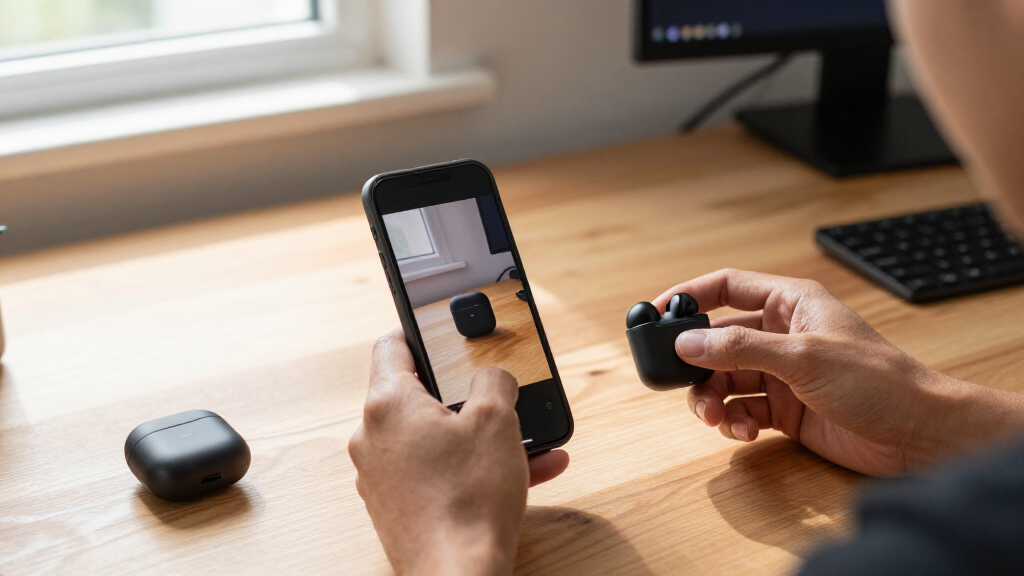
A product concept proposes generating faceless short-form videos from ecommerce catalogs for sellers without on-camera talent or a video budget. The suggested first test would cover 20 stores and compare paid and organic results with each store’s existing creative; no test results or product launch are reported.
IdeaNavigator AI has outlined a proposed tool that would turn ecommerce product catalogues into faceless videos for TikTok and Instagram Reels, aimed at sellers without on-camera talent or video-production budgets. The proposal recommends testing the workflow with 20 stores before treating it as a viable business; there is no reported launch, completed test, or evidence yet that the videos improve sales.
The concept targets a practical gap for smaller ecommerce sellers: producing short-form video for individual products can require people, equipment, editing time, and paid creators. The proposal argues that sellers who cannot make this content may have fewer opportunities to present products in feeds where audiences discover items. That is the proposal’s rationale, not a measured finding about the sales impact of video.
The proposed minimum viable product would connect to a seller’s product catalogue and generate multiple video styles for each item. Examples include unboxing-style clips, lifestyle settings, and feature callouts, with templates using trending audio. It would also offer direct scheduling to TikTok and Instagram Reels. The material describes these as planned capabilities, not features available in a released service.
The suggested business model is a subscription tiered by the number of videos rendered each month. For validation, the proposal calls for producing videos for 20 stores, then comparing paid and organic performance with those stores’ existing creative. Engagement and conversion changes are named as measures, but no test design, results, costs, or conversion figures are supplied.
A Lower-Cost Route to Product Video
If the workflow can produce useful videos consistently, it could reduce the time and expense involved in making product-specific social content. A catalogue-based process may also make it easier for sellers to test several presentations of an item, rather than relying on a single polished campaign. Those possibilities are central to the pitch, but they remain unvalidated until sellers compare performance.
The proposed test matters because a low price or fast rendering would not, on its own, show that the tool helps a business. The videos would need to attract attention and support purchases at a level that justifies the subscription and any advertising costs. Comparing both paid and organic posts with existing creative could help distinguish production convenience from actual marketing impact.
For sellers, the distinction is material: a tool that generates many clips but does not improve engagement or conversion may add another step without changing business results. For a potential provider, the same comparison could show which formats, products, or customers are worth supporting. The proposal does not report that these outcomes have been established.
As an affiliate, we earn on qualifying purchases.
From Catalogue Images to Short Video
The idea is part of the broader category of ecommerce creative automation: software intended to make marketing assets from information and images a store already maintains. Here, the proposed input is a product catalogue, and the intended output is short-form video for social platforms. The target is deliberately narrow—sellers who lack both on-camera talent and a video budget—rather than every business seeking social content.
The proposal says video-generation models can create product footage involving hands, settings, and motion from still images and product specifications, and presents that capability as a reason the idea may be timely. It provides no named model, benchmark, demonstration, or independent evaluation. Its claim that the cost of faceless content could fall close to zero should therefore be read as an expectation in the proposal, not a verified operating cost.
The plan also links generation to scheduling, including templates associated with trending audio. That combination could shorten the path from catalogue entry to published post, but the proposal gives no detail about rights, platform integrations, quality checks, or how audio trends would be selected. These operational questions are separate from whether generated video can be made in the first place.
short form video generator for Shopify
As an affiliate, we earn on qualifying purchases.
As an affiliate, we earn on qualifying purchases.
Product Quality and Sales Impact
No service launch or completed pilot is reported. The proposal does not identify a company building the tool, give a release timetable, or describe a working product. It also does not provide sample videos, production costs, or evidence that catalogue images and specifications can reliably yield convincing clips across different product types.
The proposed evaluation leaves important details open. It does not specify how the 20 stores would be selected, how long tests would run, what counts as a meaningful engagement or conversion change, or how results would account for differences in products, audiences, and ad spending. Without those details, a comparison could be difficult to interpret. The impact of audio templates and direct scheduling is also unreported.
Finally, the proposal does not address platform rules, permissions for product assets and audio, or whether sellers would review generated content before publication. These are unresolved implementation questions, not evidence of a known compliance problem. Until a pilot is run and its methods and results are shared, claims about near-zero costs or improved marketing performance remain unconfirmed.
Instagram Reels video templates for products
As an affiliate, we earn on qualifying purchases.
As an affiliate, we earn on qualifying purchases.
A 20-Store Test Is Proposed
The next step described is to generate videos for 20 ecommerce stores, run paid and organic tests, and compare the outcomes with each store’s existing creative. The planned measures are engagement and conversion deltas. No start date, participating stores, or reporting schedule has been announced in the material provided.
A useful update would include the test duration, comparison method, production and subscription costs, and results by video format or product category. It would also clarify how the tool handles catalogue connections, audio, review, and scheduling. Until those details and findings are available, the concept remains a proposed workflow and validation plan rather than a demonstrated solution.
Source: IdeaNavigator AI
As an affiliate, we earn on qualifying purchases.
Key Questions
Has a faceless product-video tool launched?
No launch is reported. The material outlines a proposed product and its possible features, but does not identify an available service or release date.
Who is the proposed tool for?
It is aimed at ecommerce sellers without on-camera talent or a video budget, with product catalogues serving as the starting point for generated clips.
What videos would it create?
The proposal lists unboxing-style clips, lifestyle settings, and feature callouts, along with trending-audio templates and scheduling to TikTok and Instagram Reels. These are proposed functions, not confirmed product capabilities.
Has it been shown to increase sales?
No results are provided. The proposed 20-store test would compare engagement and conversions from paid and organic videos with stores’ existing creative.
How might the service charge customers?
The proposed model is a subscription with tiers based on the number of videos rendered per month. Pricing is not specified.
Source: IdeaNavigator AI
Halloween Picks
halloween
As an affiliate, we earn on qualifying purchases.