
🔍 Read the full analysis: Stay Ahead With These 11 AI Home Automation Devices In 2026 on ThorstenMeyerAI.com

Get the latest gadgets delivered free with Prime
- Fast, free delivery on millions of items
- Prime Video, Amazon Music and more included
- Member-only deals all year
TL;DR
In 2026, a range of AI home automation devices are transforming smart living. This article highlights the top 11 picks, focusing on their features, compatibility, and impact on home management.
In 2026, the smart home market is seeing a surge of advanced AI-powered devices that promise more intuitive, private, and flexible automation solutions. For an overview of the latest trends, see the original analysis. These devices are revolutionizing how homeowners manage lighting, climate, security, and more, with the HomeClaw Smart Home Gateway leading as the most versatile option. Learn more about top home automation hubs for 2026. This development matters because it reflects a shift toward more integrated, user-friendly, and privacy-conscious home automation systems.
The HomeClaw Smart Home Gateway stands out as the top choice for its comprehensive AI integration and open-source flexibility, supporting multiple protocols like Z-Wave, Zigbee, and Matter. It enables users to connect a broad array of devices, offering advanced automation capabilities and local AI processing for privacy and responsiveness.
Among thermostats, the Google Nest Learning Thermostat remains a leader, thanks to its adaptive learning features that optimize energy use based on routines. The Lutron Caseta Kit offers a budget-friendly, simple solution for reliable lighting automation, appealing to cost-conscious consumers.
Other notable devices include AI-enhanced security cameras, voice assistants with improved natural language processing, and smart switches that combine affordability with dependable automation. These devices are evaluated based on their AI capabilities, ease of setup, compatibility, and future-proofing, ensuring they meet diverse user needs. Discover the latest innovations in smart home AI devices.
The 11 picks
- 1
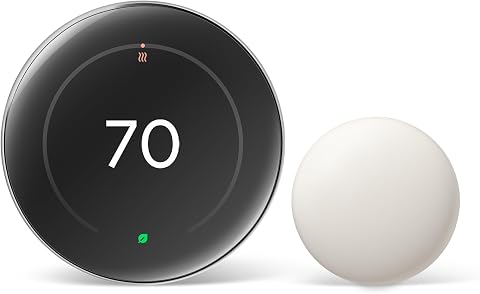 Google Nest Learning Thermostat (4th gen) + Nest Temperature Sensor (2nd gen)…View on Amazon →
- 2
 SwitchBot AI Hub with OpenClaw Support and Local Camera StorageView on Amazon →
- 3
 Lutron Caseta Deluxe Smart Switch Kit with 2 Switches, Hub, Remote, WallplateView on Amazon →
- 4
 Hubitat Elevation C-8 Pro Smart Home Automation Hub – Matter 1.5, Z-Wave 800…View on Amazon →
- 5
 HomeClaw Smart Home Gateway with Home Assistant & OpenClaw AIView on Amazon →
- 6
 AI-Powered Smart Home DevicesView on Amazon →
- 7
 iSG Box SE Smart Home Hub with Preinstalled Home AssistantView on Amazon →
- 8
 Shelly 1PM Gen4 UL Smart Relay Switch with Power Metering, Wi-Fi, Zigbee & Ma…View on Amazon →
- 9
 AI-Powered Smart Home Guide 2026: A Step-by-Step Guide to Designing, Optimizi…View on Amazon →
- 10
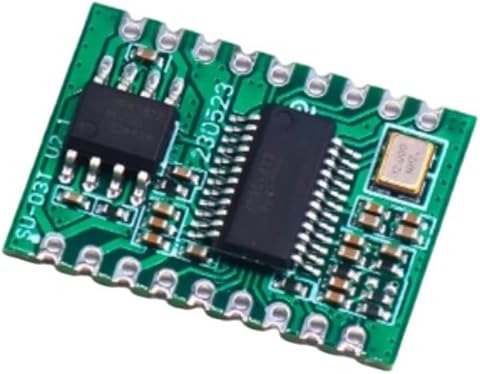 Local AI Voices Command Processor for Home Automation SystemsView on Amazon →
- 11
 AI Powered Smart Home Guide for Beginners 2026View on Amazon →
Impacts of AI Devices on Home Automation in 2026
The proliferation of these AI-powered devices signifies a move toward more intelligent, private, and adaptable home environments. They enable homeowners to automate routines, enhance security, and reduce energy consumption more effectively than ever before. The emphasis on local AI processing also addresses growing privacy concerns, making these systems more appealing to privacy-conscious users.
Furthermore, broad protocol support and open-source options foster a more inclusive ecosystem, allowing users to customize and expand their smart homes without being locked into proprietary platforms. This flexibility can accelerate adoption and innovation in home automation technology.
Evolution of AI Home Automation in Recent Years
Over the past few years, the home automation market has shifted from simple Wi-Fi-connected devices to sophisticated systems integrating AI for adaptive control. Companies like Google, Lutron, and emerging startups have introduced products with learning capabilities, voice control, and local processing. The rise of standards like Matter has also improved device interoperability, reducing fragmentation.
By 2026, AI integration has become a key differentiator, with devices offering personalized automation, energy efficiency, and enhanced security features. The market continues to evolve rapidly, driven by consumer demand for smarter, more private, and easier-to-use home systems.
Unresolved Questions About 2026 AI Home Devices
While these devices are promising, some aspects remain uncertain. It is not yet clear how widespread adoption will be across different regions, or how quickly manufacturers will update AI features to keep pace with evolving standards. The long-term reliability of local AI processing, especially in complex environments, also requires further testing. Additionally, the actual privacy protections offered by local AI devices depend on implementation details that are still emerging.
Future Developments and Market Trends for 2026 and Beyond
Looking ahead, expect continued innovation in AI capabilities, with more devices offering seamless integration, enhanced privacy, and greater energy efficiency. Manufacturers will likely expand support for open-source platforms and standards like Matter, making smart home systems more interoperable. Consumer adoption will grow as these devices become more affordable and easier to install, with ongoing updates improving AI learning and automation features.
Further, regulatory and privacy considerations may influence product development, emphasizing local processing and data security. The market is poised for rapid growth, with new players entering and existing companies refining their offerings to meet increasing consumer demand.
Key Questions
Can I integrate these AI devices with my existing smart home system?
Yes, most of the highlighted devices support common protocols like Z-Wave, Zigbee, and Matter, making integration with existing setups feasible. However, verifying compatibility before purchase is recommended.
Do local AI devices require complex setup or professional installation?
Setup complexity varies. Devices like the HomeClaw Gateway are designed for tech-savvy users but generally include detailed guides. Some may require professional installation, especially for extensive systems.
Will these devices improve privacy compared to cloud-based options?
Devices with local AI processing offer enhanced privacy by reducing reliance on cloud services, limiting data transmission, and minimizing exposure to breaches. However, privacy depends on the manufacturer’s implementation and user settings.
Are these AI devices future-proof for upcoming smart home standards?
Many devices support emerging standards like Matter and multiple protocols, which help ensure future compatibility. Continuous software updates and open-source support further enhance their longevity and adaptability.
What is the cost range for these top AI home automation devices?
Prices vary widely—from affordable switches like Lutron Caseta at under $50 to high-end hubs like HomeClaw Gateway, which can cost several hundred dollars. Budget options are available for basic automation, while premium devices offer advanced AI features.
Source: ThorstenMeyerAI.com
Halloween Picks
halloween
As an affiliate, we earn on qualifying purchases.