
📊 Full opportunity report: Youth Sports Tech Brings Pro Benchmarks Into Form Grading on IdeaNavigator AI — validation score, market gap, and execution plan.

Get the latest gadgets delivered free with Prime
- Fast, free delivery on millions of items
- Prime Video, Amazon Music and more included
- Member-only deals all year
TL;DR
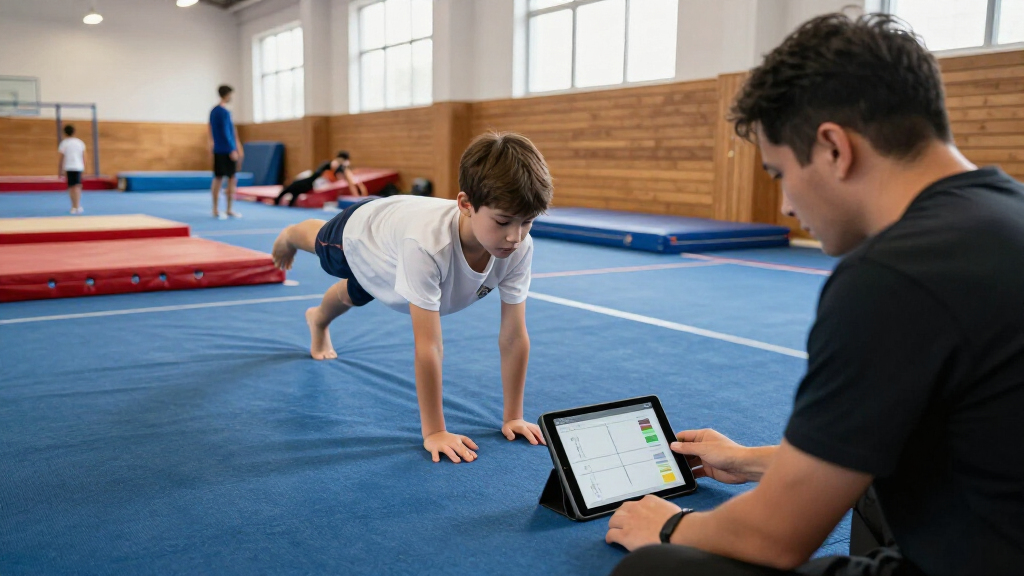
IdeaNavigator AI has outlined a proposed youth sports app that would compare athletes’ filmed movements with pro-derived reference mechanics and recommend a drill. The concept has not been reported as a launched product; its suggested first test is a baseball pilot involving 100 children and certified-coach reviews.
IdeaNavigator AI has proposed testing a phone-based form-grading app for young athletes, starting with baseball hitting and a pilot in which certified coaches audit assessments for 100 children. The concept would compare a child’s filmed movement with pro-derived mechanics and recommend a drill, but no completed test, product launch or accuracy results are reported.
The proposed app targets parents of young athletes practicing without a private coach. A user would film a swing, throw or stride; the app would overlay the athlete’s movement against a reference profile and grade selected checkpoints. For baseball hitting, examples include hip rotation and release angle, though the plan does not specify a final set of metrics or how each would be scored.
After grading a session, the app would prescribe one drill aimed at the largest identified gap. IdeaNavigator AI frames phone-based pose estimation as a reason the idea may now be practical, saying the models can run on phones with enough accuracy to compare movement with reference profiles. That is a premise of the proposal, not a published result from the suggested pilot.
The proposed business model is a family subscription for each sport, with a separate coach tier for team use. The outline does not give prices, forecast revenue or describe a built application. Its stated validation step is to start with baseball hitting and compare the app’s grades with certified coaches’ assessments across 100 children.
Testing Access to Coaching Feedback
The idea addresses a practical gap for families: athletes can repeat movements during practice without receiving immediate feedback from a coach. The proposal argues that mistakes may persist when families cannot afford regular private instruction. It puts private coaching at $75 to $150 per session, but provides no geographic or market basis for that range.
If an app could give useful, consistent feedback, it could offer families another training aid between coached sessions. But the key question is not whether a phone can track motion; it is whether grades and drill recommendations are reliable and useful for children. A 100-child coach audit could offer an initial check, but by itself would not establish injury prevention, long-term improvement or effectiveness across sports and ages.
As an affiliate, we earn on qualifying purchases.
A Baseball Pilot Comes First
The proposal describes youth sports training technology as its market and recommends limiting the first version to one sport and one buyer: baseball hitting for parents of young athletes who practice without a private coach. That scope would give the team a defined movement to assess before considering other skills or a coach-focused product.
The outline’s reasoning rests on advances in phone-based pose estimation, which can identify body positions from video. It suggests comparing those positions with pro-derived reference mechanics. It does not identify the source of the reference profiles, explain how professional movement would be adapted for a child’s body or development, or cite independent performance studies. The proposal is therefore an early product concept, not evidence that the approach has been validated.
phone-based sports motion capture device
As an affiliate, we earn on qualifying purchases.
As an affiliate, we earn on qualifying purchases.
Accuracy and Safety Still Unproven
No app name, developer, release date, working prototype or pilot results are provided. It is also unclear how the system would define correct form, account for differences in age and physical development, or distinguish a meaningful flaw from a harmless variation in technique.
The proposed coach review may compare app grades with professional judgment, but the outline does not state how many coaches would take part, what agreement would count as acceptable, or whether the reviewers would assess athletes independently. It also gives no evidence that the app would reduce injuries or improve performance. Those outcomes should not be treated as established benefits.
As an affiliate, we earn on qualifying purchases.
Coach Reviews Are the Proposed Test
The next step described is a baseball-hitting pilot covering 100 children, with certified coaches checking the app’s grades against their own assessments. No schedule, recruiting plan or results have been announced. If the concept advances, those comparisons could help determine whether the grading is consistent enough to justify further testing.
Readers should watch for details about the app’s reference data, scoring criteria, age-specific adjustments and coach-review method, as well as any results from the pilot. Until those are available, the product remains a proposal rather than a demonstrated alternative to instruction from a coach.
Source: IdeaNavigator AI
As an affiliate, we earn on qualifying purchases.
Key Questions
Has the youth form-grading app launched?
No launch is reported. The materials describe a proposed app and validation plan, without a product name, release date or confirmed working version.
How would the app assess an athlete?
The concept would use a phone video to compare a child’s movement with pro-derived reference mechanics, grade selected checkpoints and recommend one drill. Specific scoring rules have not been provided.
What is the proposed first test?
The suggested pilot focuses on baseball hitting. Certified coaches would audit the app’s grades against their assessments for 100 children; no pilot results are available.
Would the app replace private coaching?
That has not been established. The proposal presents the app as a potential source of practice feedback for families, but provides no evidence that it can replace a coach or prevent injuries.
Source: IdeaNavigator AI
Columbus Day / Indigenous Peoples' Day Picks
long weekend sales
As an affiliate, we earn on qualifying purchases.