Finding the right iPhone in 2026 means wading through a crowded lineup where the differences come down to display technology, camera systems, carrier freedom, and how much age you’re willing to accept for a lower price. After comparing five standout options across performance, screen quality, and everyday usability, two picks rose to the top. The Apple iPhone 14 Pro Max earns my top spot for its massive 6.7-inch ProMotion display and 48MP camera system, while the Apple iPhone 16 is the smartest choice for anyone who wants the newest chip and all-day battery without paying flagship Pro prices. Budget-conscious buyers should seriously consider the iPhone 13, which still delivers an excellent OLED screen and dual cameras at a fraction of the cost. The main tradeoffs you’ll face: larger screens versus pocketability, Pro features like 120Hz refresh rates versus standard 60Hz panels, and renewed-condition savings versus the peace of mind of buying new. Carrier lock-in matters too, one option here is tied to Verizon while the rest are unlocked.

Get the latest gadgets delivered free with Prime
- Fast, free delivery on millions of items
- Prime Video, Amazon Music and more included
- Member-only deals all year
Complete the kit



Key Takeaways
- The iPhone 14 Pro Max leads this comparison thanks to its 120Hz ProMotion display and 48MP camera, but it is locked to Verizon, which limits who should buy it.
- The iPhone 16 is the best all-around unlocked pick, pairing the newest A18 chip with a 22-hour battery, though its 60Hz display lags behind the Pro models’ 120Hz panels.
- The iPhone 14 Pro delivers nearly all the Pro Max features in a smaller 6.1-inch body, making it the compromise-free choice for one-handed use.
- The iPhone 13 remains the best value play with an OLED display and dual 12MP cameras, but its Lightning connector and A15-era design show its age.
- The iPhone 12 Mini is the only truly compact option here, ideal for small hands, but its battery and older internals mean heavy users should look elsewhere.
| Apple iPhone 14 Pro Max, 128GB, Space Black, Verizon Locked (Renewed) |  | Best Overall — flagship display and camera power | Display: 6.7-inch Super Retina XDR, Always-On, ProMotion | Processor: A16 Bionic | Main camera: 48 MP | VIEW LATEST PRICE | See Our Full Breakdown |
| Apple iPhone 16, 128GB, Black, Unlocked (Renewed) |  | Best for Longevity — newest chip, unlocked for everyone | Display: 6.1-inch OLED, 2556 × 1179, 460 ppi, 60Hz | Processor: Apple A18, 3.2 GHz | Rear camera: 48 MP | VIEW LATEST PRICE | See Our Full Breakdown |
| Apple iPhone 14 Pro, 128GB, Deep Purple, Unlocked (Renewed) |  | Best Compact Flagship — Pro features in a one-handed body | Display: 6.1-inch Super Retina XDR OLED, 120Hz | Processor: A16 Bionic | Rear cameras: 48 MP triple system | VIEW LATEST PRICE | See Our Full Breakdown |
| Apple iPhone 13, 128GB, Midnight, Unlocked (Renewed) | 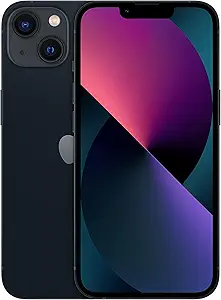 | Best Value — core iPhone experience at the lowest tier | Display: 6.1-inch Super Retina XDR OLED, 2532 × 1170, 60Hz | Rear cameras: 12 MP wide + 12 MP ultra-wide | Video: 4K up to 60fps; 1080p up to 240fps | VIEW LATEST PRICE | See Our Full Breakdown |
| Apple iPhone 12 Mini, 128GB, Green (Unlocked, Renewed) |  | Best Compact Pick — the only truly small iPhone here | Storage: 128 GB | Color: Green | Network: Unlocked, GSM and CDMA compatible | VIEW LATEST PRICE | See Our Full Breakdown |
| iPhone model | Display | Processor | Storage | Cellular |
|---|---|---|---|---|
| Apple iPhone 14 Pro Max | 6.7-inch Super Retina XDR, Always-On, ProMotion | A16 Bionic | 128 GB | 5G, Verizon locked |
| Apple iPhone 16 | 6.1-inch OLED, 2556 × 1179, 460 ppi, 60Hz | Apple A18, 3.2 GHz | — | 5G, unlocked for all carriers |
| Apple iPhone 14 Pro | 6.1-inch Super Retina XDR OLED, 120Hz | A16 Bionic | 128 GB | 5G, unlocked for all carriers |
| Apple iPhone 13 | 6.1-inch Super Retina XDR OLED, 2532 × 1170, 60Hz | — | — | — |
| Apple iPhone 12 Mini | — | — | 128 GB | — |
More Details on Our Top Picks
Apple iPhone 14 Pro Max, 128GB, Space Black, Verizon Locked (Renewed)
This option stands out as the most capable phone in this lineup, and the gap between it and the others is wider than the model names suggest. The 6.7-inch Super Retina XDR display with ProMotion means everything from scrolling to video playback feels smoother than on the iPhone 16 or iPhone 13, both of which are capped at 60Hz. Add the Always-On feature and the Dynamic Island, and this is a screen experience the non-Pro models simply cannot match. The 48MP main camera with 4K Dolby Vision video is equally ahead of the pack, outclassing the dual 12MP system on the iPhone 13 by a clear margin in detail and low-light flexibility.
Compared with its sibling, the iPhone 14 Pro, this model trades one-handed comfort for a larger canvas and bigger battery, a swap that makes sense for media lovers and heavy users. The A16 Bionic still handles modern apps and multitasking comfortably, sitting just one generation behind the iPhone 16’s A18 in real-world responsiveness. Crash Detection rounds out the safety story. The two drawbacks deserve honest attention: this unit is locked to Verizon, so anyone on another carrier should skip it entirely, and the listing notes it is not water resistant, a step down from the iPhone 14 Pro’s rating in this same roundup. For Verizon customers who want maximum screen and camera performance at a renewed price, though, this pick makes the most sense.
Pros:- Massive 6.7-inch display with 120Hz ProMotion and Always-On
- 48MP main camera with 4K Dolby Vision video recording
- A16 Bionic chip handles demanding apps and multitasking with ease
- Crash Detection adds an extra layer of safety
Cons:- Locked to Verizon, ruling out other carriers
- Not water resistant, unlike some alternatives
Best for: Verizon customers who want flagship-level display and camera performance at a renewed price
Not ideal for: Anyone on a carrier other than Verizon, or buyers who need water resistance
- Display:6.7-inch Super Retina XDR, Always-On, ProMotion
- Processor:A16 Bionic
- Main camera:48 MP
- Storage:128 GB
- Cellular:5G, Verizon locked
- SIM:Dual SIM
- OS:iOS 16
- Weight:7 ounces
Our verdict“The most feature-complete iPhone in this comparison, provided you are on Verizon and can live without water resistance.”
Apple iPhone 16, 128GB, Black, Unlocked (Renewed)
Where the iPhone 14 Pro Max wins on features, this model wins on staying power. The A18 processor is the newest silicon in this lineup, which translates directly into more years of iOS updates and better performance headroom as apps grow more demanding. Compared with the iPhone 14 Pro’s A16, the difference today is modest, but two or three years from now it will be the phone that still feels current. The 22-hour average battery life is another meaningful edge over the iPhone 14 Pro’s 3200mAh cell, especially for anyone who charges once a day and forgets about it.
Being unlocked for all carriers immediately makes it more versatile than the Verizon-locked Pro Max, and the USB Type-C connector brings it in line with modern accessories, something the Lightning-based iPhone 13 cannot claim. The tradeoff is the display: a 60Hz panel next to the Pro models’ 120Hz screens means scrolling and animations feel noticeably less fluid. This model is better suited to buyers who prioritize battery, longevity, and carrier freedom over display polish. Like the rest of the renewed field here, it is not water resistant, and the 90-day warranty means you should test it thoroughly upon arrival. For most people buying a phone to keep for years, this pick makes the most sense.
Pros:- Newest A18 chip promises years of software support
- Unlocked for use with any carrier
- 22-hour average battery life leads this lineup
- USB Type-C connector works with modern charging accessories
Cons:- 60Hz display falls behind the Pro models’ 120Hz panels
- Not water resistant
Best for: Buyers who want the longest useful lifespan, strong battery life, and full carrier flexibility
Not ideal for: Display enthusiasts who would notice and resent the 60Hz refresh rate
- Display:6.1-inch OLED, 2556 × 1179, 460 ppi, 60Hz
- Processor:Apple A18, 3.2 GHz
- Rear camera:48 MP
- Battery:3491 mAh, up to 22 hours
- Cellular:5G, unlocked for all carriers
- SIM:eSIM
- Connector:USB Type-C
- Warranty:90 days
Our verdict“The most future-proof and flexible choice here, trading display smoothness for battery life, longevity, and carrier freedom.”
Apple iPhone 14 Pro, 128GB, Deep Purple, Unlocked (Renewed)
Think of this as the iPhone 14 Pro Max for people who value their pockets. You keep nearly everything that makes the Pro Max compelling, including the 120Hz ProMotion display with Always-On, the A16 Bionic, and the 48MP triple rear camera system, but in a 6.1-inch frame that works one-handed. Compared directly with the iPhone 16, this model’s display is the clear winner, the smoother refresh rate makes the iPhone 16’s 60Hz panel feel dated by contrast, and the triple camera array offers more shooting flexibility than the iPhone 16’s single rear setup. The iPhone 16 counters with a newer chip and bigger battery, so the choice between them is genuinely a philosophical one: screen and cameras versus longevity and endurance.
Unlike the Pro Max, this unit is unlocked for all carriers, which removes the biggest restriction in this roundup, and it is listed as water resistant, a claim the Pro Max and iPhone 16 entries here cannot make. Wireless charging and dual SIM support add everyday convenience. The compromises are smaller but real: the 3200mAh battery trails the iPhone 16’s 3491mAh, so heavy users will reach for a charger earlier, and renewed condition can vary unit to unit. There is a single physical SIM slot alongside eSIM, which may matter to travelers who swap cards frequently. This pick makes the most sense for buyers who refuse to choose between flagship features and manageable size.
Pros:- 120Hz ProMotion OLED display with Always-On
- 48MP triple rear camera system
- Unlocked and water resistant, unlike some rivals here
- Wireless charging and dual SIM support
Cons:- Battery capacity trails the iPhone 16
- Renewed condition may vary between units
- Single physical SIM slot limits frequent SIM swappers
Best for: Buyers who want Pro-level display and cameras in a size they can use one-handed
Not ideal for: Heavy users who need maximum battery endurance, or those who want the very latest chip
- Display:6.1-inch Super Retina XDR OLED, 120Hz
- Processor:A16 Bionic
- Rear cameras:48 MP triple system
- Battery:3200 mAh
- Cellular:5G, unlocked for all carriers
- Water resistance:Water resistant
- Storage:128 GB
- Warranty:90-day Amazon Renewed warranty
Our verdict“A near-flagship experience in a compact, unlocked package, best for those who rank display and cameras above raw battery life.”
Apple iPhone 13, 128GB, Midnight, Unlocked (Renewed)
This is the phone I would point budget-minded buyers toward first, because it preserves the fundamentals that make an iPhone feel like an iPhone. The 6.1-inch Super Retina XDR OLED display with Dolby Vision HDR is still sharp and vibrant, and while it runs at 60Hz like the iPhone 16, it holds up well against that newer model in everyday viewing. The dual 12MP cameras, wide and ultra-wide, handle 4K recording at up to 60fps and slow-motion 1080p at up to 240fps, giving casual photographers plenty of creative range even if detail falls short of the 48MP sensors on the Pro models and iPhone 16.
Compared with the iPhone 14 Pro in this lineup, the differences are real but predictable: no ProMotion, no Always-On, a less advanced camera system, and an older A15-generation design. What you get in exchange is a lower entry price for a phone that covers texting, streaming, photography, and Face ID without compromise. Being unlocked and professionally inspected, tested, and cleaned adds confidence to the renewed purchase. The honest drawbacks: it still uses a Lightning connector while the rest of the industry has moved to USB-C, its 18-hour battery sits at the bottom of this group alongside the 12 Mini, and it is not Apple certified, so cosmetic imperfections are only guaranteed invisible at arm’s length. For value-first buyers, those are acceptable tradeoffs.
Pros:- Sharp OLED display with Dolby Vision HDR
- Dual 12MP cameras with 4K/60fps and slow-motion recording
- Unlocked for carrier flexibility
- Professionally inspected, tested, and cleaned before resale
Cons:- Lightning connector is dated next to USB-C rivals
- Not Apple certified, with cosmetic flaws possible up close
- May arrive in a generic box
Best for: Value-focused buyers who want a modern OLED iPhone with solid cameras at the lowest cost
Not ideal for: Anyone invested in USB-C accessories, or buyers who expect flawless cosmetic condition
- Display:6.1-inch Super Retina XDR OLED, 2532 × 1170, 60Hz
- Rear cameras:12 MP wide + 12 MP ultra-wide
- Video:4K up to 60fps; 1080p up to 240fps
- Connector:Lightning
- SIM:Single Nano-SIM
- Battery life:18 hours average
- Biometrics:Face Recognition
- Condition:Renewed, inspected, tested, cleaned
Our verdict“The smartest low-cost entry point in this roundup, delivering the core iPhone experience with only acceptable, well-understood compromises.”
Apple iPhone 12 Mini, 128GB, Green (Unlocked, Renewed)
Every other phone in this roundup has a screen of 6.1 inches or larger, which makes this the lone option for people who genuinely miss small phones. The compact form factor is the entire argument: it disappears into a pocket, works effortlessly one-handed, and weighs far less than anything else on this list. If you have ever found the iPhone 14 Pro Max impressive but unwieldy, this is its philosophical opposite. The 128GB of storage is generous for a phone at this tier, and the guaranteed minimum 80% battery health gives the renewed purchase a concrete, measurable floor rather than vague promises.
I will not pretend the tradeoffs are small. This is the oldest model in the comparison, which means the shortest remaining software-update runway, weaker cameras than every rival here, and battery life that struggles with heavy daily use even at full health. Against the iPhone 13, the Mini gives up screen size, camera quality, and endurance, and only wins on pocketability. Against everything else, the gap widens further. Practical notes matter too: headphones and a SIM card are not included, and carrier compatibility should be verified before ordering, since it supports GSM and CDMA networks but may not cover every band on every carrier. An MFi-certified charging cable does come in the box. This pick makes the most sense as a deliberate lifestyle choice, or as a capable first smartphone for a teenager.
Pros:- Genuinely compact body, unique in this lineup
- 128GB storage is generous for the price tier
- Battery health guaranteed at 80% or better
- Unlocked for compatible GSM and CDMA carriers
Cons:- Headphones and SIM card are not included
- Carrier compatibility should be verified before purchase
- Oldest model here, with the shortest remaining update runway
Best for: Fans of small phones, light users, or buyers seeking an affordable first iPhone for a teen
Not ideal for: Heavy users, gamers, or anyone wanting the longest software support window
- Storage:128 GB
- Color:Green
- Network:Unlocked, GSM and CDMA compatible
- Condition:Renewed
- Battery health:Minimum 80% capacity guaranteed
- Included:Generic MFi-certified charging cable
- Not included:Headphones, SIM card
Our verdict“A purposeful choice for small-phone loyalists, as long as battery life and long-term updates are not dealbreakers.”

How We Picked
My approach to ranking these five models centered on real-world ownership value rather than raw spec sheets. I weighed four factors heavily. First, display quality: whether a panel has ProMotion and Always-On capability changes daily usability more than almost any other feature, which is why the Pro models rank ahead of the standard and older options. Second, carrier flexibility: an unlocked phone works for nearly everyone, while a Verizon-locked device only makes sense for existing or prospective Verizon customers, and I factored that limitation into each ranking. Third, longevity: a newer processor like the A18 in the iPhone 16 will receive software updates for years longer than the A14-era iPhone 12 Mini, which directly affects how long the purchase stays worthwhile. Finally, I accounted for the realities of the renewed market, since every option here is pre-owned. That means battery health guarantees, warranty length, and cosmetic condition standards all influenced placement. Where two models overlapped closely, I gave the edge to the one with a clearer, more distinct role for a specific type of buyer rather than the one with marginally better numbers.
| iPhone model | Processor | SIM |
|---|---|---|
| Apple iPhone 14 Pro Max | A16 Bionic | Dual SIM |
| Apple iPhone 16 | Apple A18, 3.2 GHz | eSIM |
| Apple iPhone 14 Pro | A16 Bionic | — |
| Apple iPhone 13 | — | Single Nano-SIM |
| Apple iPhone 12 Mini | — | — |
Factors to Consider When Choosing Best IPhone Models
Choosing between these five iPhones comes down to four questions: how big a screen you want, how long you plan to keep the phone, which carrier you use, and how much risk you accept buying renewed. Here is how I would think through each factor.Display: Why Refresh Rate Matters More Than Size
Screen size is the obvious difference, but refresh rate is the one that affects every interaction. The iPhone 14 Pro Max and iPhone 14 Pro both offer 120Hz ProMotion, which makes scrolling, swiping, and animations feel fluid in a way the 60Hz panels on the iPhone 16 and iPhone 13 cannot replicate. If you have never used a 120Hz phone, you may not miss it; once you have, going back is hard. Always-On displays, available only on the two Pro models here, let you glance at the clock and notifications without waking the phone, a small convenience that adds up daily.
Processor Age and Software Longevity
Apple supports its phones with iOS updates for roughly five to seven years from launch. That makes the iPhone 16’s A18 chip the safest long-term bet in this lineup, while the iPhone 12 Mini’s older silicon has the shortest runway left. If you upgrade every two years, processor age matters less. If you buy a phone intending to keep it until it stops receiving updates, age becomes the single most important factor, and I would steer you toward the iPhone 16 or one of the 14-series models.
Carrier Locks and Compatibility
The Verizon lock on the iPhone 14 Pro Max is the most restrictive condition in this roundup. A locked phone cannot be moved to another carrier without meeting unlock requirements, so it only makes sense for current or committed Verizon customers. The other four options are unlocked, though the iPhone 12 Mini still deserves a compatibility check against your carrier’s specific bands, since GSM and CDMA support does not automatically mean every network feature works everywhere. eSIM-only phones, like the iPhone 16, also require carrier activation support.
Buying Renewed With Confidence
Every phone here is renewed, so condition standards matter as much as specs. Look for a stated minimum battery health, like the 80% guarantee on the iPhone 12 Mini, and a defined warranty window, such as the 90-day coverage on several of these models. Test the phone thoroughly within the warranty period: check the cameras, speakers, charging port, Face ID, and cellular connection early. Note which listings include accessories, the 12 Mini comes with a cable but no headphones or SIM, while the iPhone 13 may arrive in a generic box. None of this makes renewed risky, but it does make early verification the buyer’s responsibility.
Camera Needs: 48MP Versus Dual 12MP
The 48MP sensors on the iPhone 14 Pro Max, iPhone 14 Pro, and iPhone 16 deliver more detail and better cropping flexibility than the dual 12MP systems on the iPhone 13 and 12 Mini. For social media snapshots, the 12MP cameras are still excellent. For anyone who prints photos, crops heavily, or shoots a lot of low-light scenes, the 48MP models justify their premium. Video is more evenly matched, with 4K recording available across nearly the entire lineup, though Dolby Vision support on the Pro and 13 models gives them an edge in dynamic range.
Frequently Asked Questions
Is buying a renewed iPhone a safe choice in 2026?
Yes, provided you buy with the right expectations and verify the device quickly. Renewed iPhones sold through structured programs are professionally inspected, tested, and cleaned, and several models in this roundup include a 90-day warranty that covers defects. The main things to check immediately are battery health, all cameras, Face ID, speakers, and the charging port, all within the warranty window so you can return or replace the unit if anything is wrong. Cosmetics are the other variable: some listings only guarantee that imperfections are invisible at arm’s length, so if flawless condition matters to you, read each listing’s condition language carefully before ordering.
What is the difference between a 60Hz and 120Hz iPhone display?
The refresh rate determines how many times per second the screen redraws its image. A 120Hz ProMotion display, found on the iPhone 14 Pro and 14 Pro Max here, redraws twice as often as the 60Hz panels on the iPhone 16 and iPhone 13, which makes scrolling, animations, and gameplay look and feel smoother. It does not change sharpness or color quality, so photos and video look equally good on both. If you primarily watch content and take photos, 60Hz is perfectly pleasant. If you interact with the screen constantly throughout the day, the ProMotion models provide a noticeably more refined feel.
Does the Verizon lock on the iPhone 14 Pro Max matter if I might switch carriers?
It matters a great deal. A carrier-locked phone will only activate on Verizon’s network until it is unlocked, which typically requires meeting the carrier’s unlock policy, such as completing any installment commitments or account requirements. If you already use Verizon and plan to stay, the lock costs you nothing and the phone is the strongest overall performer in this comparison. But if you switch carriers often, travel internationally and want local SIMs, or share plans across a household on different networks, an unlocked option like the iPhone 16 or iPhone 14 Pro is the safer purchase even with slightly different features.
How much storage do I need, and is 128GB enough?
For most people, 128GB is a comfortable amount, and every phone in this roundup offers exactly that. It holds roughly 25,000 photos or a mix of apps, a large music library, and a couple of hours of 4K video. You will start feeling the squeeze if you shoot a lot of 4K video, record in Dolby Vision, or download large games and offline media. Because none of these iPhones have expandable storage, the capacity you buy is permanent, so if you know you are a heavy video creator, consider a higher-capacity listing elsewhere in the 256GB tier. For typical social, streaming, and photography use, 128GB leaves ample headroom.
Which of these iPhones will keep getting software updates the longest?
The iPhone 16 will almost certainly receive updates the longest, since its A18 chip is the newest in this group and Apple’s support window runs from a phone’s launch. The iPhone 14 Pro and 14 Pro Max follow, with their A16 chips still well within their support lifecycle. The iPhone 13 sits behind them, and the iPhone 12 Mini, as the oldest model here, has the shortest remaining runway. If you buy a phone intending to use it for five or more years, choosing the newest processor available is the single best way to protect that investment.
Conclusion
The right pick from this lineup depends less on which phone is objectively best and more on which tradeoffs fit your life. For Verizon customers who want the biggest and best screen and camera, the iPhone 14 Pro Max is the clear front-runner, provided water resistance is not a requirement. For buyers planning to keep their phone for many years, or anyone who switches carriers or travels, the unlocked iPhone 16 with its A18 chip and 22-hour battery is the most sensible long-term investment. If you want flagship features without flagship bulk, the iPhone 14 Pro delivers the 120Hz display and triple camera system in a one-handed body, and it is the only water-resistant option here. Budget-first buyers get the most capability per dollar from the iPhone 13, which still holds up well against newer models in daily use despite its Lightning port. Finally, the iPhone 12 Mini serves two specific groups well: devoted small-phone fans and parents shopping for a capable, affordable first iPhone. Whichever direction you take, buy around the renewal warranty window, verify the device early, and match the carrier terms to your actual plan before committing.
Halloween Picks
halloween
As an affiliate, we earn on qualifying purchases.