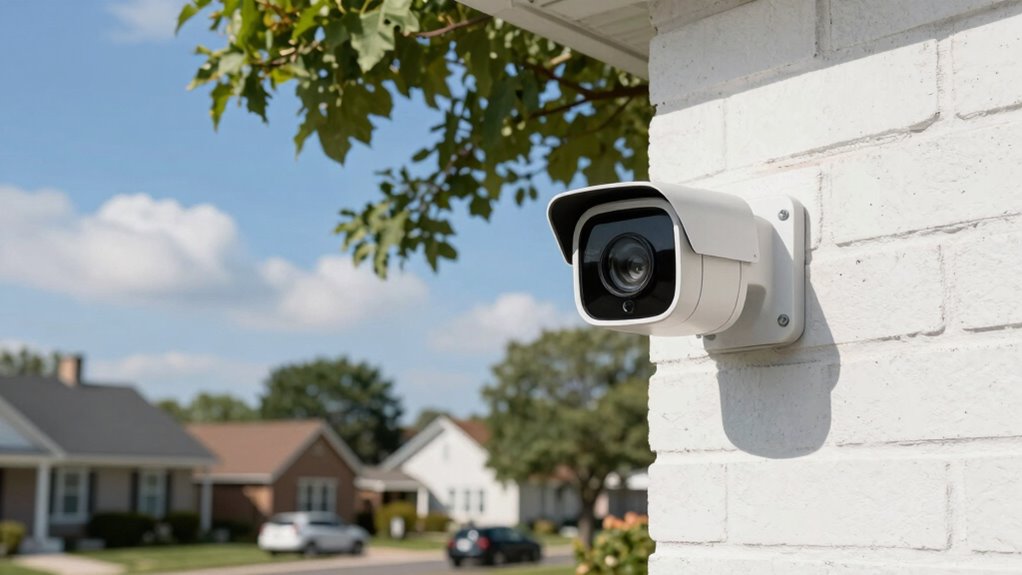

Before installing cameras, ask yourself if you’re respecting privacy rights and legal guidelines. Consider whether cameras are focused on public areas like entrances or private spaces like windows and neighbor’s property. Be transparent with those around you about the surveillance purpose and obtain consent when needed. Properly securing footage through encryption and following data policies is also essential. If you want to guarantee your setup is both effective and lawful, keep exploring these important principles.
Open a free Amazon Business account
Business pricing, bulk buying and tax-exempt orders.
As an affiliate, we earn on qualifying purchases.
Key Takeaways
- Does the camera placement respect areas where individuals have a reasonable expectation of privacy?
- Have I obtained explicit consent from people being recorded in private or shared spaces?
- Is the surveillance purpose transparent, and are neighbors or employees informed about it?
- Are data encryption and secure storage measures in place to protect recorded footage?
- Does the camera setup comply with local laws and regulations regarding privacy and data protection?
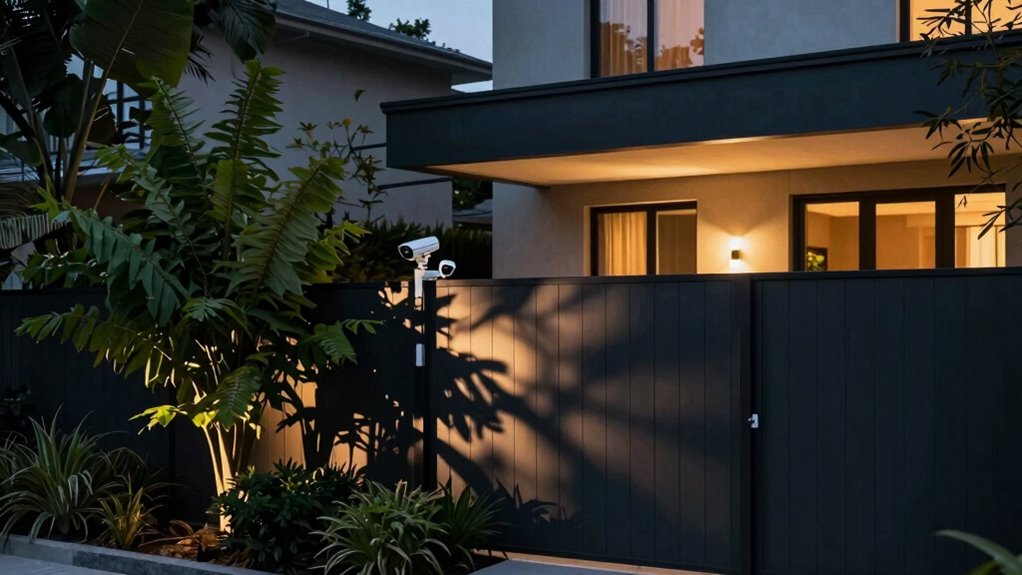
Before installing security cameras, it’s crucial to evaluate privacy implications to avoid potential legal and ethical issues. You need to consider not just your security goals but also the rights of those who might be recorded. One of the first questions you should ask is whether you’re protecting privacy adequately through measures like data encryption. Data encryption is essential because it ensures that any footage or data collected is scrambled and unreadable to unauthorized viewers. Without proper encryption, sensitive footage could be intercepted or hacked, putting the privacy of everyone involved at risk. It’s your responsibility to choose cameras and storage solutions that prioritize secure data handling, especially if recordings contain identifiable images or personal information.
Ensuring data encryption protects recorded footage from unauthorized access and safeguards privacy.
Another vital aspect is obtaining user consent. If your cameras record in areas where others have a reasonable expectation of privacy, such as inside homes, private yards, or shared spaces, you must consider whether you have the right to record them without explicit permission. In many jurisdictions, recording without consent can violate privacy laws, leading to legal consequences. Before installing cameras, you should inform neighbors, guests, or employees about the presence of surveillance, explaining the purpose and scope of the recordings. Clear communication not only helps you stay compliant but also fosters trust and transparency. It’s important to document this consent if applicable, especially in workplaces or shared residential settings, to demonstrate you’re respecting privacy rights.
Beyond legal concerns, you should reflect on the ethical implications of surveillance. Think about whether your camera placement respects personal boundaries and avoids unnecessary intrusion. For example, focusing on entrances and driveways generally respects privacy more than pointing cameras directly into neighbors’ windows or private areas. Asking yourself whether your surveillance setup is proportionate to the risk you’re trying to mitigate helps prevent excessive monitoring that could be seen as invasive. Additionally, implementing privacy-by-design principles can further help in minimizing intrusion while maintaining security. Understanding and applying privacy laws and regulations relevant to your jurisdiction can guide you in establishing a compliant and respectful surveillance system. Moreover, considering the landscape and environment where cameras are installed can help blend security measures with natural surroundings and avoid overtly intrusive setups. Being aware of potential data breaches and how to prevent them is also crucial in safeguarding the privacy of everyone involved. Incorporating security best practices into your system setup can significantly reduce vulnerabilities.
In addition, consider how you’ll handle the footage you collect. Establish protocols for secure storage, access controls, and data retention policies. Ensuring that only authorized individuals can view recordings, and that data isn’t kept longer than necessary, demonstrates responsible privacy management. Incorporating strong data encryption throughout this process adds a layer of security, protecting footage from breaches and misuse.
privacy-focused security cameras
As an affiliate, we earn on qualifying purchases.
As an affiliate, we earn on qualifying purchases.
Frequently Asked Questions
How Can I Ensure My Camera Footage Is Securely Stored?
To guarantee your camera footage is securely stored, you should use footage encryption, which protects your data from unauthorized access. Opt for reputable cloud storage services that offer strong security measures like encryption, two-factor authentication, and regular security updates. Regularly update your camera’s firmware and passwords, and consider enabling remote access controls. These steps help safeguard your footage and maintain your privacy effectively.
Are There Legal Restrictions on Camera Placements in Public Spaces?
Think of public spaces as a stage where legal camera placement acts as your spotlight. You must follow public space regulations, ensuring your cameras don’t infringe on privacy rights. Laws vary by location, so check local ordinances to avoid crossing legal boundaries. Respecting these boundaries keeps your actions transparent and lawful, preventing unintended consequences. Ultimately, understanding and adhering to legal camera placement rules preserves trust and safeguards everyone’s privacy in the shared space.
How Do I Avoid Infringing on Neighbors’ Privacy Rights?
To avoid infringing on your neighbor’s privacy rights, respect their privacy boundaries and avoid pointing cameras directly at their private spaces like windows or yards. Communicate openly with your neighbors about your camera setup, and consider adjusting camera angles to focus only on your property. Using clear boundaries helps maintain good neighbor relations and guarantees you’re respecting their privacy rights while protecting your own property.
What Are the Best Practices for Informing Others About Cameras?
You should clearly inform others about your cameras by using proper signage and transparent communication. Place signs at camera entry points, indicating surveillance and camera placement, so people know when they’re being recorded. Follow signage requirements mandated by local laws, ensuring visibility and clarity. Being upfront with neighbors and visitors about your camera setup helps maintain trust and respects privacy rights, reducing potential conflicts or misunderstandings.
Can I Monitor Cameras Remotely Without Violating Privacy Laws?
You can monitor cameras remotely without violating privacy laws, but you need to be cautious. Focus on camera encryption to protect your footage from unauthorized access and understand data retention policies to guarantee you’re not storing more data than necessary. Always comply with local laws and obtain consent if monitoring private areas. Think of it as guarding a secret; safeguard it with encryption and responsible data management.
encrypted Wi-Fi security camera system
As an affiliate, we earn on qualifying purchases.
As an affiliate, we earn on qualifying purchases.
Conclusion
So, before you install those cameras, ask yourself—are you truly protecting your privacy, or just inviting others to peek in? Irony isn’t lost when you realize that in trying to secure your space, you might be giving up a piece of your freedom. Sometimes, the biggest eyes watching are the ones we forget to see ourselves. Think twice—because in the end, the camera’s gaze might just reflect what you least want others to see.
outdoor security cameras with privacy masking
As an affiliate, we earn on qualifying purchases.
As an affiliate, we earn on qualifying purchases.
wireless security cameras with consent notification
As an affiliate, we earn on qualifying purchases.
As an affiliate, we earn on qualifying purchases.
Fall Picks
fall essentials
As an affiliate, we earn on qualifying purchases.