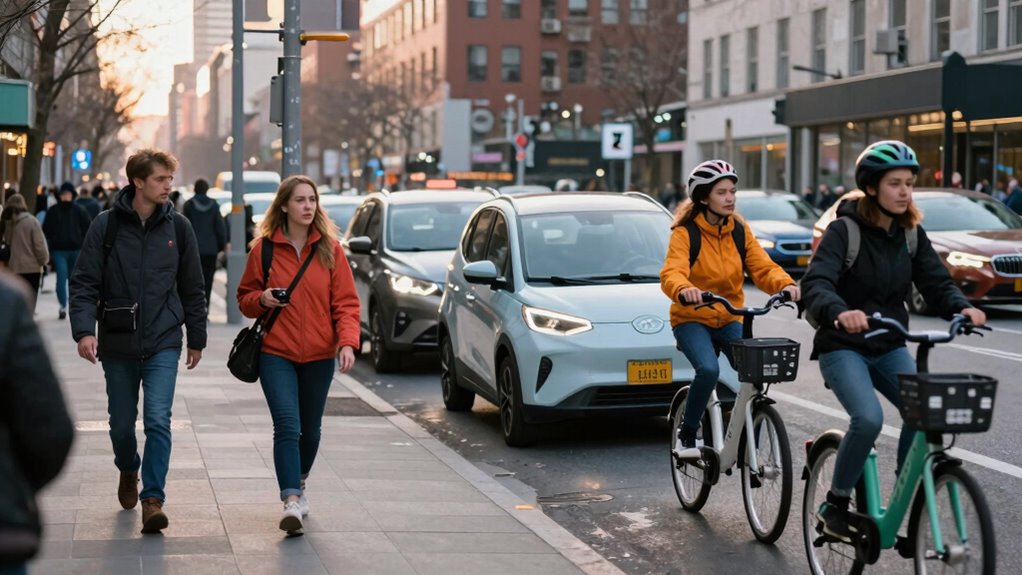

Your daily commuting choices have a bigger impact on energy use and the environment than you might think. Carpooling, public transit, or biking can drastically reduce emissions and conserve fuel. Small habits like walking or choosing eco-friendly options multiply over time, lowering your carbon footprint. These choices also promote health and community connections. If you want to see how your habits can make a real difference, there’s more to discover about the power of sustainable transportation.

Get the latest gadgets delivered free with Prime
- Fast, free delivery on millions of items
- Prime Video, Amazon Music and more included
- Member-only deals all year
Key Takeaways
- Different commuting methods vary in fuel consumption and emissions, significantly impacting your personal energy use and environmental footprint.
- Carpooling and public transit maximize energy efficiency by reducing the number of vehicles on the road and lowering overall fuel consumption.
- Active transportation like walking or biking increases personal energy levels while minimizing environmental impact.
- Small daily choices, such as opting for eco-friendly commuting, cumulatively contribute to substantial energy savings and pollution reduction.
- Personal transportation decisions influence broader energy systems, shaping community and global environmental health.
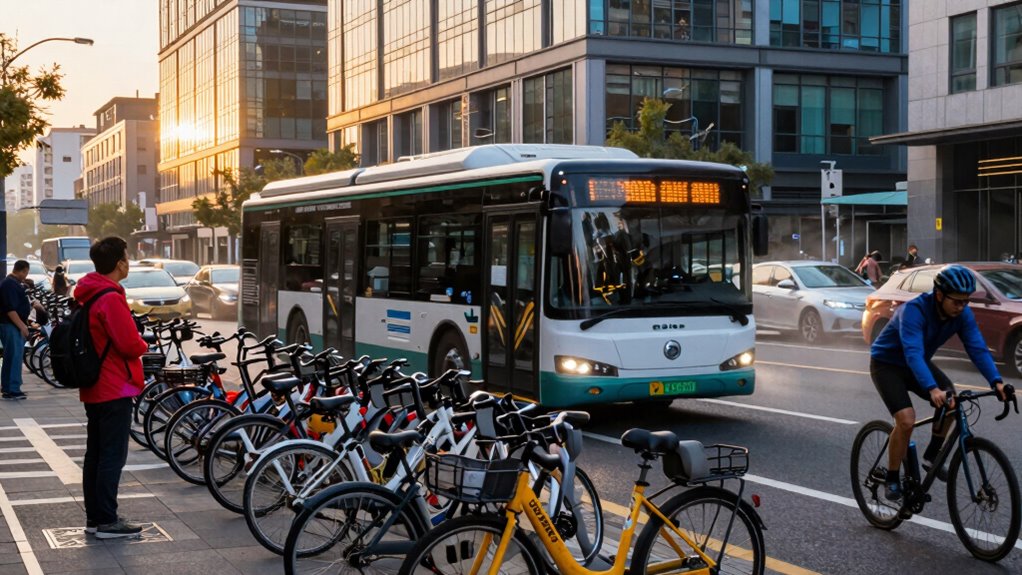
Your commuting choices directly impact both your energy consumption and the environment. When you opt for different methods of getting to work or school, you’re influencing how much fuel is burned, how much pollution is released, and even how efficiently energy is used overall. For example, choosing to carpool can offer significant benefits. Carpool benefits include reducing the number of vehicles on the road, which cuts down on fuel use and lowers emissions. When you share a ride, you’re fundamentally multiplying the efficiency of each trip, saving energy that would otherwise be wasted when individual cars operate alone. Carpooling not only reduces your carbon footprint but also fosters a sense of community and can save you money on gas and parking.
Carpooling reduces emissions, saves energy, lowers costs, and builds community through shared rides.
On the other hand, public transit efficiency plays a critical role in shaping your energy footprint. Buses, trains, and subways are designed to move many people simultaneously, which makes them far more energy-efficient than individual cars. When you choose public transit, you’re contributing to a more sustainable system because each passenger adds to the vehicle’s overall efficiency. This means less fuel per person and fewer emissions per trip. Additionally, public transit often relies on cleaner energy sources, further reducing the environmental impact. By opting for buses or trains over driving, you’re allowing cities to optimize energy use and decrease reliance on fossil fuels. Incorporating energy-efficient transportation options into your routine can significantly amplify these benefits. Moreover, understanding the role of watt-hours and capacity in battery inverter generators can offer additional sustainable alternatives for energy use during commutes, especially for electric vehicles or portable power needs.
Your choices also influence your personal energy levels. Walking or biking to nearby destinations isn’t just good for the planet; it’s also a way to boost your own energy. Physical activity increases alertness and decreases stress, helping you start your day more energized. These eco-friendly options consume minimal energy and avoid emissions altogether, making them some of the most sustainable choices you can make. Moreover, engaging in active transportation can help you establish healthier habits that sustain your vitality over time. Incorporating active commuting into your routine can further boost your overall well-being and energy levels. Research also shows that promoting sustainable travel habits can have a lasting impact on community health and environmental quality. When considering alternatives, understanding the capacity and watt-hours of portable power sources, such as battery inverter generators, can ensure your energy needs are met efficiently without unnecessary environmental impact.
Ultimately, your transportation decisions ripple outward, affecting energy consumption on a larger scale. More efficient methods like carpooling and public transit help conserve fuel and reduce pollution, making a tangible difference for the environment. Even small daily choices compound over time, leading to meaningful change. If you prioritize options that maximize energy efficiency, you’ll not only lower your carbon footprint but also contribute to a healthier planet. So, consider how your commuting habits can be more sustainable—whether that’s sharing rides, taking public transit, or walking—and remember that each choice has the power to shape energy use far beyond your immediate trip.
As an affiliate, we earn on qualifying purchases.
Frequently Asked Questions
How Does Commuting Impact Overall Mental Health?
Commuting considerably impacts your mental health by influencing stress levels and social interactions. Long, stressful commutes can elevate your stress, leaving you exhausted and anxious. Conversely, shorter or more pleasant commutes boost your mood and free up time for social interactions, which improve mental well-being. Your daily travel choices shape how relaxed or overwhelmed you feel, ultimately affecting your overall mental health and happiness.
What Are the Environmental Benefits of Choosing Eco-Friendly Transportation?
Choosing eco-friendly transportation like electric vehicles and carpooling benefits the environment by reducing greenhouse gas emissions and air pollution. Electric vehicles produce zero tailpipe emissions, helping combat climate change. Carpooling decreases the number of cars on the road, lowering traffic congestion and emissions. Your decision to ride electric or share rides makes a significant environmental impact, conserving resources, improving air quality, and helping create a healthier planet for everyone.
How Can Remote Work Influence Daily Energy Levels?
Remote work acts like a gentle breeze, lifting your energy by eliminating the grind of daily commutes. You’re more in tune with your natural rhythms, boosting productivity and reducing fatigue. By embracing remote work benefits, you conserve energy that would otherwise be lost in traffic or transit delays. Incorporate energy conservation strategies—like regular breaks and dedicated workspaces—to keep your liveliness high and maintain a steady, energized flow throughout your day.
Do Different Commuting Times Affect Energy Consumption?
Yes, different commuting times do affect energy consumption. During peak travel hours, you likely face heavier traffic or crowded transit, leading to longer, more stressful commutes that drain your energy. Off-peak commuting often means less congestion and quicker trips, helping you conserve energy and start your day more refreshed. Your commuting patterns directly influence how much energy you use and how energized you feel throughout the day.
How Does Commuting Affect Long-Term Physical Health?
Commuting can be a double-edged sword for your health. If you’re stuck in a sedentary lifestyle, long commutes add to that, increasing the risk of heart disease and obesity. Plus, stress accumulation from traffic jams or delays wears you down physically over time. To stay healthy, find ways to incorporate movement into your routine and manage stress, transforming your commute from a health hazard into an opportunity for wellness.
energy-efficient portable power station
As an affiliate, we earn on qualifying purchases.
As an affiliate, we earn on qualifying purchases.
Conclusion
Your commuting choices are the silent architects of your daily energy landscape, carving pathways that either drain or energize your spirit. Like a skilled gardener tending delicate blooms, selecting eco-friendly options nurtures your liveliness and sustains the environment. Remember, each step you take on your journey ripples outward, shaping not just your day but the world around you. Embrace mindful commuting—it’s your power to ignite a brighter, more vibrant energy flow within and beyond.
public transit travel accessories
As an affiliate, we earn on qualifying purchases.
As an affiliate, we earn on qualifying purchases.
carpool organizer and accessories
As an affiliate, we earn on qualifying purchases.
As an affiliate, we earn on qualifying purchases.
Fall Picks
fall essentials
As an affiliate, we earn on qualifying purchases.